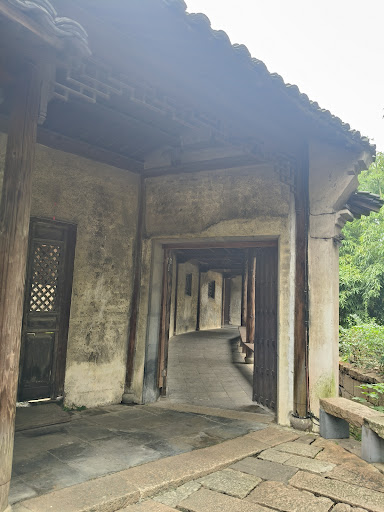
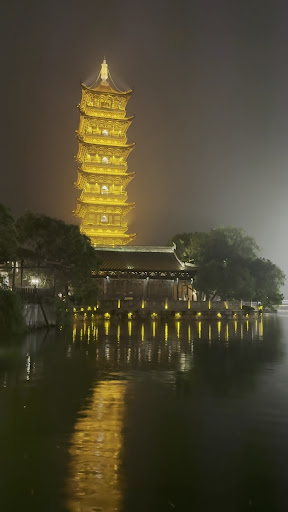
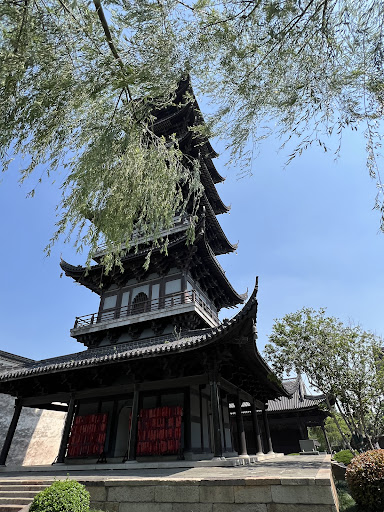
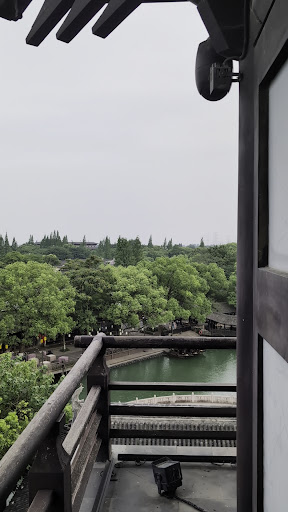
Bailian Temple things to do, attractions, restaurants, events info and trip planning
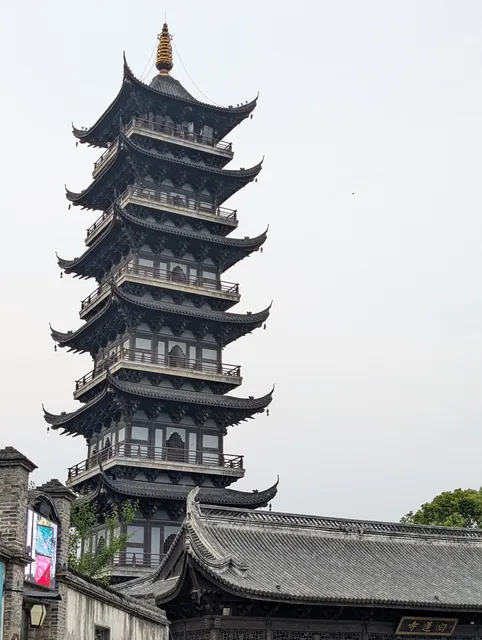
Basic Info
Bailian Temple
QF2H+WMW, Chashi St, Tongxiang, Jiaxing, Zhejiang, China, 314501
4.4(23)
Save
spot
spot
Ratings & Description
Info
Cultural
Scenic
Relaxation
Family friendly
Accessibility
attractions: Wuzhongshifang, Yuanyang Lake, Renji Bridge, Zhaoming Academy, 草木本色染坊, restaurants: The Old Wood Bar, Zilala Youjianpu Shop, Lijida Chafan, Wuzhen Xizha Scenic Area Shaobingpu, Congbaohui, Wuma Wonton, Sishui Nianhua Red Wine Shop, Zhuanjiao Coffee Bar, Shengting Chinese Food Restaurant, Waterside Resort-Lvbolang Characteristic Restaurant, local businesses: Muxin Art Gallery
 Learn more insights from Wanderboat AI.
Plan your stay

Pet-friendly Hotels in Tongxiang
Find a cozy hotel nearby and make it a full experience.

Affordable Hotels in Tongxiang
Find a cozy hotel nearby and make it a full experience.

The Coolest Hotels You Haven't Heard Of (Yet)
Find a cozy hotel nearby and make it a full experience.

Trending Stays Worth the Hype in Tongxiang
Find a cozy hotel nearby and make it a full experience.
Reviews
Nearby attractions of Bailian Temple
Wuzhongshifang
Yuanyang Lake
Renji Bridge
Zhaoming Academy
草木本色染坊
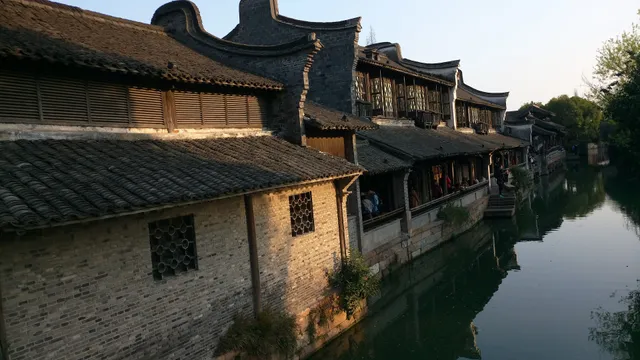
Wuzhongshifang
4.5
(10)
Open 24 hours
Click for details
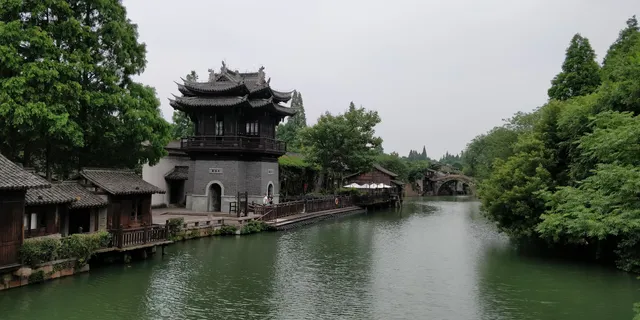
Yuanyang Lake
4.4
(176)
Open 24 hours
Click for details
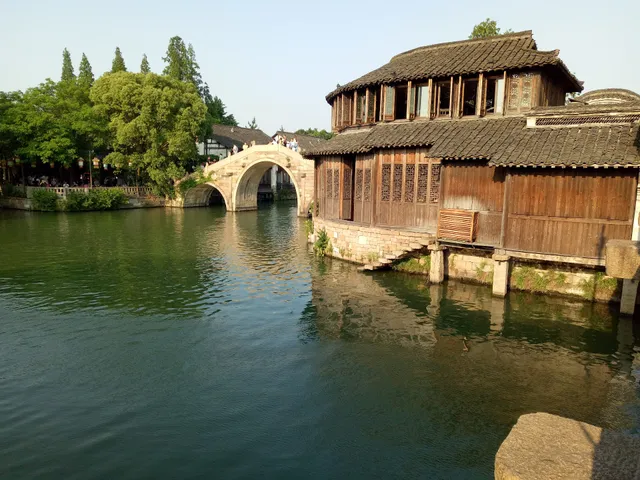
Renji Bridge
4.5
(8)
Open 24 hours
Click for details
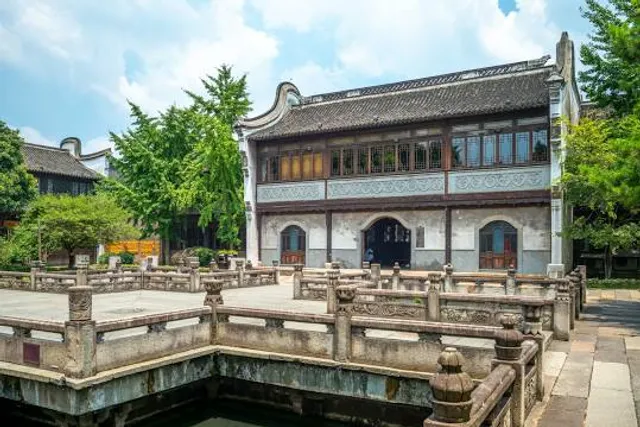
Zhaoming Academy
4.3
(55)
Open 24 hours
Click for details
Nearby restaurants of Bailian Temple
The Old Wood Bar
Zilala Youjianpu Shop
Lijida Chafan
Wuzhen Xizha Scenic Area Shaobingpu
Congbaohui
Wuma Wonton
Sishui Nianhua Red Wine Shop
Zhuanjiao Coffee Bar
Shengting Chinese Food Restaurant
Waterside Resort-Lvbolang Characteristic Restaurant
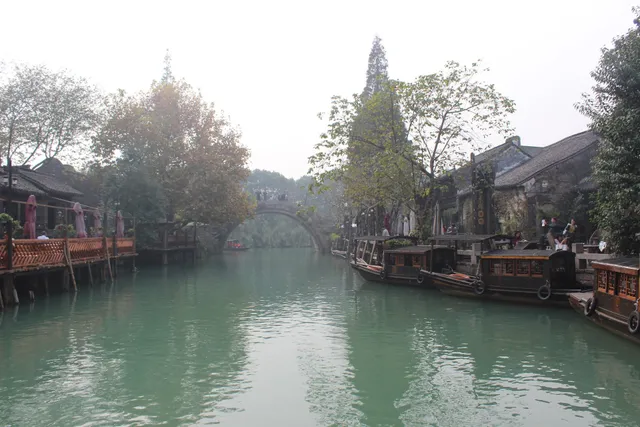
The Old Wood Bar
3.0
(5)
Click for details
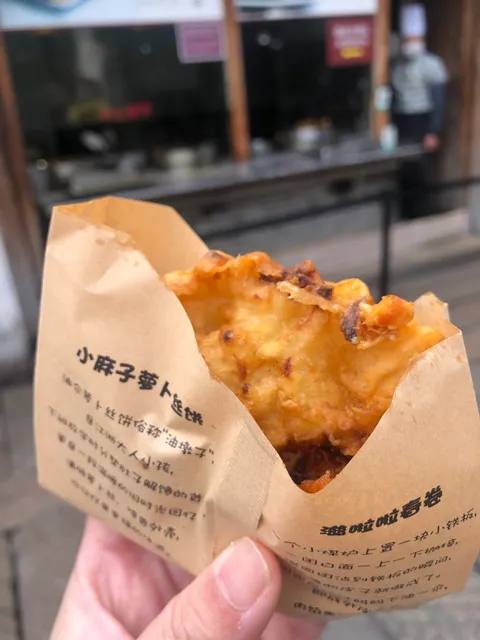
Zilala Youjianpu Shop
5.0
(2)
Click for details
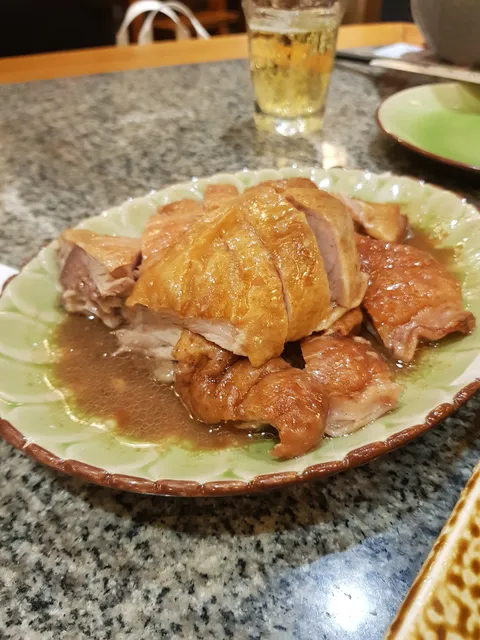
Lijida Chafan
4.7
(9)
Click for details
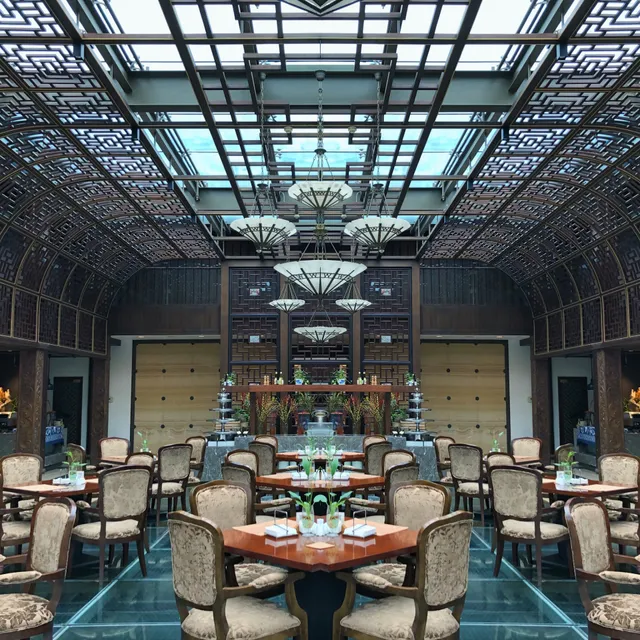
Wuzhen Xizha Scenic Area Shaobingpu
4.3
(2)
Click for details
Nearby local services of Bailian Temple
Muxin Art Gallery
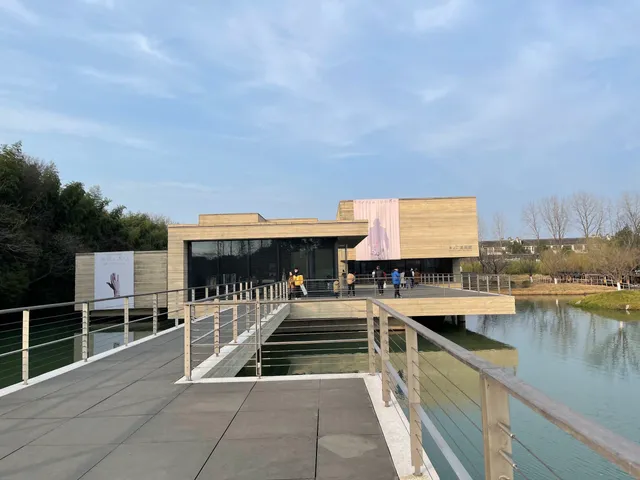
Muxin Art Gallery
4.7
(16)
Click for details