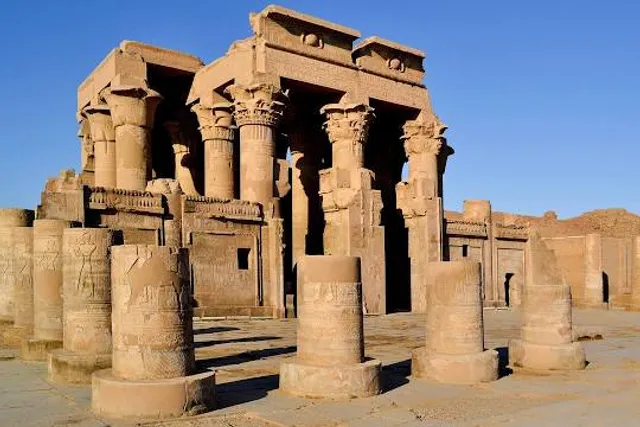
The Crocodile Museum at Kom Ombo is one of the most unusual and fascinating museums in Egypt. Located right next to the Temple of Kom Ombo, it is entirely dedicated to the worship of Sobek, the crocodile-headed god of fertility, strength, and the Nile. Since Kom Ombo was the center of Sobek’s cult during the Ptolemaic period (2nd century BC), this museum provides the perfect complement to a temple visit.
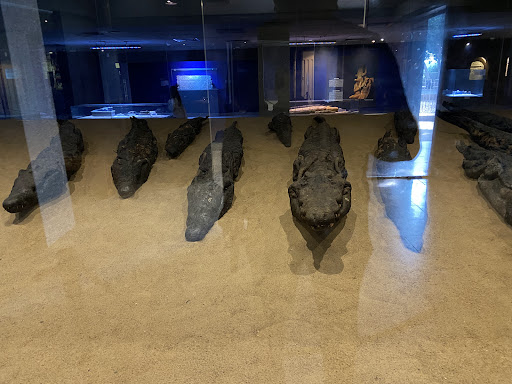
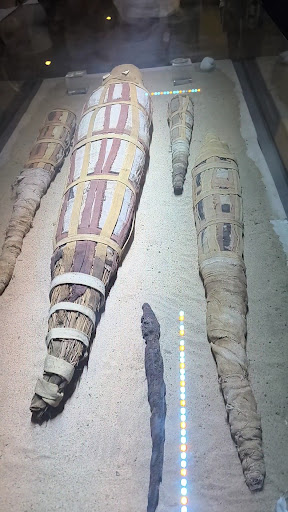
Inside the museum, you will find over 300 mummified crocodiles of different sizes, ranging from tiny hatchlings to massive adult reptiles, all preserved from ancient times. These crocodiles were once sacred animals connected to the cult of Sobek, and they were mummified and buried with great care after death. Alongside the crocodile mummies, the museum also displays crocodile eggs, wooden coffins, and statues that highlight the deep spiritual connection between the ancient Egyptians and the Nile’s most fearsome creature.
The exhibits are presented in a modern, well-lit space with detailed explanations in both English and Arabic, making it accessible and engaging for all visitors. The museum not only shows the religious role of crocodiles in ancient Egyptian life but also provides unique insight into the daily practices and beliefs of the people who lived along the Nile more than 2,000 years ago.
Although the museum is relatively small, it is incredibly atmospheric and memorable. Seeing rows of real crocodile mummies lying in glass cases just a few meters away from the Nile itself is an experience that captures the imagination of adults and children alike. It is the perfect addition to a visit to the Kom Ombo Temple, giving you a deeper understanding of why the crocodile was both feared and worshipped in...
Read moreVisited 23 October 2022
Included with the ticket to Kom Ombo Temple.
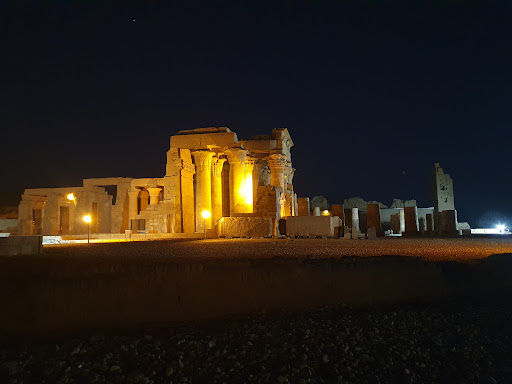
Once night fell on Kom Ombo Temple we made our way to the crocodile museum located about 50-100 metres away from the Temple exit. We were the only people visiting the temple at the time.
It is only a small museum one room but it gives an insight at the activities and worship that occurred here over 2000 years ago. As the temple is dedicated partly to Sobek it is only natural that the native fauna in the river were held in awe and regard by the ancient Egyptians.
While the temple was in use it did hold captive live crocodiles for worship and no doubt temple festivities. Once the mighty creatures had died they were mummified and offered to Sobek.
The main exhibit here is the huge cache of crocodilian mummies ranging in size from two to four metres long. These were found at a Necropolis 2km away from the Temple.
There is a Triad of Fayoum mummified crocodiles another outpost for the followers of Sobek. These are decorated with coloured bandages and linen.
There are two very unique pieces.
The first is a black granite votive offering from a priest named Nebnefer with two crocodiles resting on the top of the block with hieroglyphs carved on all four sides. The front shows the image of Hathor.
The second is a bronze figurine depicting Sobek himself adorned with a head dress of ram horns, sun disc and feathered plume.
There are a number of stelae, crocodile sarcophagi and other crocodile related items such as eggs and foetuses.
The museum will take about half an hour to go through and shouldn't be missed on a visit to Kom Ombo Temple. There is a cafe right next door as well as toilet...
Read moreCrocodile Museum – Guardians of the Nile’s Ancient Secrets.
The Crocodile Museum in Kom Ombo is a fascinating attraction that complements the nearby temple dedicated to Sobek, the crocodile god of fertility and the Nile. This small but unique museum houses an extraordinary collection of crocodile mummies, offering visitors a glimpse into the sacred role these reptiles played in ancient Egyptian religion and culture.
Inside the museum, dozens of perfectly preserved crocodile mummies are displayed in glass cases. Some are tiny hatchlings, while others are massive creatures, testifying to the reverence Egyptians had for Sobek. Alongside the mummies, visitors will find ancient eggs, wooden sarcophagi, and statues of Sobek, which were placed in temples as offerings to seek protection and prosperity.
The exhibits are beautifully arranged with clear explanations, making the museum both educational and engaging. It reveals the connection between the Nile’s life-giving waters and the power attributed to crocodiles, seen as both dangerous and divine. This cultural perspective adds depth to the visit, going beyond the architectural beauty of Kom Ombo Temple.
For travelers on Nile cruises, the Crocodile Museum is a memorable stop. It offers a rare and captivating experience, blending history, religion, and nature in one extraordinary setting along the...
Read more