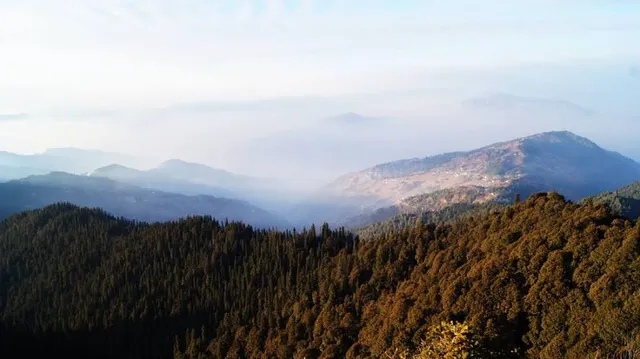
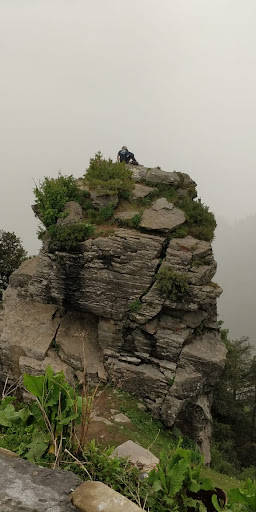
Soaring at a dizzying height of nearly 12,000 feet above sea level, the Hatu Peak is the highest peak in the entire Shimla district, located in Narkanda. Surrounded by majestic mountains and covered in a dense green blanket of sky touching cedar and fir, Hatu Peak may just be paradise on earth. The forest is a mixed one, comprising a varied population of deodar, fir, spruce, cedar and blue pine; but is mostly renowned for its colourful apple orchards. The Hatu Mata Temple rests atop the hill on Hatu Peak and holds great religious significance to the locals. The temple is dedicated to Mandodari, the wife of King Ravana. Rewarding its visitor with a view of the lush green alpine that sweeps across the landscape, Hatu Peak stands tall and strong as it decorates every square inch of the peak.
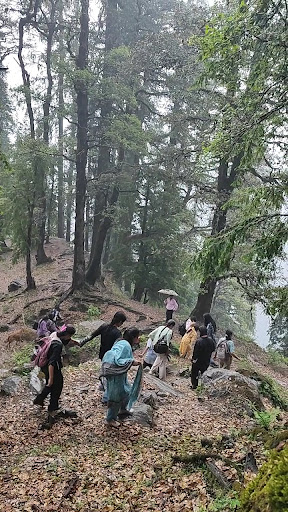
Adding to the peak's historical and cultural significance is a small stove like formation that sits right next to the temple, which is believed to have been used by the Pandava brothers for cooking their food during the Agyaat Vaas! Such a rich landscape and stunning view are bound to invite the lovers of the green, and hence, Hatu Peak is a very popular trekking spot for many. The trek is not very rigorous and is a one-way hike of 7 km to the peak. One can also go camping in Hatu Peak and enjoy under the stars in the tent.
Offering a spectacular view of nature's wondrous creations and housing points of religious and historical importance, the Hatu Peak is an all-in-one destination for anyone looking for a spiritual experience, an adventure packed excursion or some peaceful quality time to spend with...
Read moreHatu Peak, located in Himachal Pradesh, India, is renowned for its stunning vistas and thrilling trekking routes. Rising majestically to an altitude of around 3,400 meters above sea level, it offers panoramic views of the surrounding valleys, dense forests, and snow-clad Himalayan peaks.
The journey to Hatu Peak typically begins from the charming town of Narkanda, serving as a gateway to this natural wonder. Trekkers traverse through verdant forests teeming with pine, cedar, and oak trees, encountering diverse flora and fauna along the way.
At the summit, the iconic Hatu Temple dedicated to Mandodari adds a spiritual dimension to the experience, inviting pilgrims and travelers to seek blessings amidst the serene mountain landscape.
From the peak's vantage point, visitors can marvel at the majestic Himalayan range, with prominent peaks such as Kinnaur Kailash and Shrikhand Mahadev dominating the horizon. The crisp mountain air and breathtaking scenery create an atmosphere of tranquility and wonder.
Beyond trekking, Hatu Peak offers a plethora of adventure activities, including camping, photography, and winter sports like skiing, attracting adventure enthusiasts year-round.
With its natural beauty and thrilling adventures, Hatu Peak beckons travelers to immerse themselves in the splendor of the Himalayas and create cherished memories in...
Read moreHatu Peak is a scenic mountain peak located in the Shimla district of Himachal Pradesh, India, near the town of Narkanda. Here’s a brief summary:
🏔️ Hatu Peak - Summary
Altitude: ~3,400 meters (11,152 feet) above sea level
Location: About 8 km from Narkanda, 70 km from Shimla
Region: Western Himalayas, Himachal Pradesh
🌿 Key Highlights:
Panoramic Views: Offers breathtaking 360-degree views of the Himalayan ranges including snow-clad peaks, dense forests, and valleys.
Surroundings: Surrounded by thick forests of deodar, fir, spruce, cedar, and pine.
Hatu Mata Temple: A wooden temple located at the peak, dedicated to Hatu Mata, believed to be an incarnation of Goddess Kali. A culturally significant site for locals.
Mythology: Linked to the Pandavas from the Mahabharata, who are believed to have stayed here during their exile.
Trekking Spot: A popular destination for day treks and nature walks, especially during spring and summer.
🛣️ How to Reach:
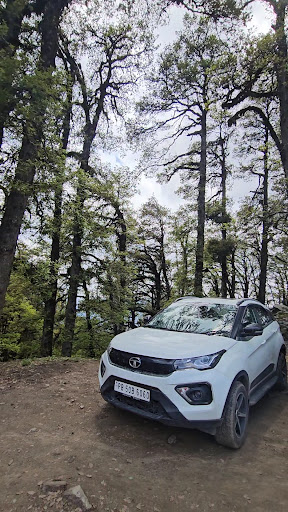
By Road: Accessible by car or bike via a steep and narrow road from Narkanda.
Trek Option: A moderately easy 7–8 km trek from Narkanda through beautiful trails.
🕒 Best Time to Visit:
Summer (April–June): Pleasant weather, clear views
Autumn (September–November): Post-monsoon freshness
Winter (Dec–Feb): Snow-covered and magical, but access may...
Read more