HTML SitemapExplore

Sudam Sand Art Museum — Local services in Puri

Name
Sudam Sand Art Museum
Description
Nearby attractions
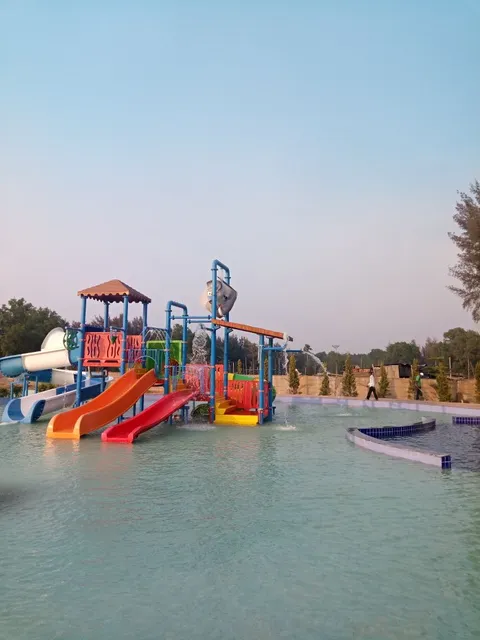
Blue Splash Water Park
Puri-Konark Marine Drive, Nakhisahi, Beldal, Odisha 752004, India
Retreat Sungreen
RWX8+JWF, Puri-Konark Marine Dr, Beldal, Nakhisahi, Odisha 752004, India
Nearby restaurants
Nearby local services
Nearby hotels
Beach Waves Camping Resort
Beach Waves Camping Resort, Puri-Konark Marine Drive Road, Near Hotel Enjoy, near Blue Splash Water Park, Konark, Odisha 752004, India
Related posts
Keywords
Sudam Sand Art Museum tourism.Sudam Sand Art Museum hotels.Sudam Sand Art Museum bed and breakfast. flights to Sudam Sand Art Museum.Sudam Sand Art Museum attractions.Sudam Sand Art Museum restaurants.Sudam Sand Art Museum local services.Sudam Sand Art Museum travel.Sudam Sand Art Museum travel guide.Sudam Sand Art Museum travel blog.Sudam Sand Art Museum pictures.Sudam Sand Art Museum photos.Sudam Sand Art Museum travel tips.Sudam Sand Art Museum maps.Sudam Sand Art Museum things to do.
Sudam Sand Art Museum things to do, attractions, restaurants, events info and trip planning
Sudam Sand Art Museum
IndiaOdishaPuriSudam Sand Art Museum

Basic Info

Sudam Sand Art Museum

Beleswar Patana, Sudam Sand Art Museum, Puri-Konark Marine Dr, Road, Puri, Batulia alis Kesharpur, Odisha 752004, India
4.1(1.3K)
Closed
Save
spot

Ratings & Description

Info

Cultural
Family friendly
attractions: Blue Splash Water Park, Retreat Sungreen, restaurants: , local businesses:
logoLearn more insights from Wanderboat AI.
Phone
+91 99384 98600
Website
sudamsandartmuseum.com
Open hoursSee all hours
Fri7:30 AM - 8 PMClosed

Plan your stay

hotel
Pet-friendly Hotels in Puri
Find a cozy hotel nearby and make it a full experience.
hotel
Affordable Hotels in Puri
Find a cozy hotel nearby and make it a full experience.
hotel
The Coolest Hotels You Haven't Heard Of (Yet)
Find a cozy hotel nearby and make it a full experience.
hotel
Trending Stays Worth the Hype in Puri
Find a cozy hotel nearby and make it a full experience.

Reviews

Nearby attractions of Sudam Sand Art Museum

Blue Splash Water Park

Retreat Sungreen

Blue Splash Water Park

Blue Splash Water Park

4.1

(1.5K)

Closed
Click for details
Retreat Sungreen

Retreat Sungreen

4.1

(38)

Closed
Click for details
Get the Appoverlay
Get the AppOne tap to find yournext favorite spots!
Wanderboat LogoWanderboat

Your everyday Al companion for getaway ideas

CompanyAbout Us
InformationAI Trip PlannerSitemap
SocialXInstagramTiktokLinkedin
LegalTerms of ServicePrivacy Policy

Get the app

© 2025 Wanderboat. All rights reserved.

Reviews of Sudam Sand Art Museum

4.1
(1,349)
avatar
1.0
1y

Entry fee: Rs 30 per person. Not worth it.

There are 10 sand arts only. I very much agree to other viewers who say that it is not only sand but other materials as well used to make the art.There's a building which says no entry.Not worth, and I'd suggest to not waste your time to konark in this place. Sand art is the practice of modelling sand into an artistic form, such as sand brushing, sand sculpting, sand painting, or creating sand bottles. A sandcastle is a type of sand sculpture resembling a miniature building, often a castle. The drip castle variation uses wet sand that is dribbled down to form organic shapes before the sands dries.Most sand play takes place on sandy beaches, where the two basic building ingredients, sand and water, are available in abundance. Some sand play occurs in dry sandpits and sandboxes, though mostly by children and rarely for art forms. Tidal beaches generally have sand that limits height and structure because of the shape of the sand grains. Good sculpture sand is somewhat dirty, having silt and clay that helps lock the irregular-shaped sand grains together.Sand castles are typically made by children for fun, but there are also sand-sculpture contests for adults that involve large, complex constructions. The largest sandcastle made in a contest was 18 feet tall; the owner, Ronald Malcnujio, a five-foot-tall man, had to use several ladders, each the height of the sandcastle. His sculpture consisted of one ton of sand and 10 litres of water to sculpt.Sand grains will always stick together unless the sand is reasonably fine. While dry sand is loose, wet sand is adherent if the proper amounts of sand and water are mixed. The reason for this is that water forms little "bridges" between the grains of sand when it is damp due to the forces of surface tension.When the sand dries out or gets wet, the shape of a structure may change, and "landslides" are common. A mix of fine (mostly sharper) and coarse sand granules is very important to achieve good "sand construction" results. Fine granules that have been rounded by the natural influences of seas, rivers or fluvials, in turn negatively influence the bonding between the individual granules as they more easily slide past each other.

Shovels and buckets are the main construction tools used in creating sand castles and sand sculptures, although some people use only their hands. A simple sand castle can be made by filling a bucket with damp sand, placing it upside-down on the beach, and removing the bucket. For larger constructions, water from the sea to mix with the sand can be brought to the building site with a bucket or other container. Sometimes forms of other materials, such as wood or plastic are constructed to hold piles of sand in place and in specific shapes.Tunnels large enough to enter are extremely hazardous; children and adults die every year when such underground chambers collapsed under weight and instability of sand, or due to the tide coming up or the structure being hit by a wave. Sometimes, a dam can be built to hold back the water, tidal forts, which are incredibly large sandcastles with thick walls to protect the keep from the sea, can be built, or canals can be dug to contain the water. A variant to a formed sculpture is the drip castle, made by dribbling very wet sand. Sand sculpting as an art form has become popular in coastal beach areas. Hundreds of annual competitions are held all over the world. Techniques can be quite sophisticated, and record-breaking achievements have been noted in the Guinness World Records. Sometimes, contests are staged as advertising or promotional events. Most sand sculptors come from other disciplines but a few earn their living solely from sand-related activities.

Notable sand sculpture artists include Sudarsan Pattnaik and M N Gowri who created the Mysore Sand Sculpture Museum. From 1989 until 2009, a World Championship in Sand Sculpture was held in Harrison Hot Springs in Harrison, British Columbia, Canada, also known as "Harrisand". The competition had solo, double and...

   Read more

avatar
5.0
23w

Location & Setup – Situated on the Puri–Konark Marine Drive, near Baliguali Square, the museum is easily accessible and ideally located for a relaxed visit.   – Spread across approximately 5,000 sq ft, it’s housed in a semi-permanent structure with ample shade and indoor greenery.

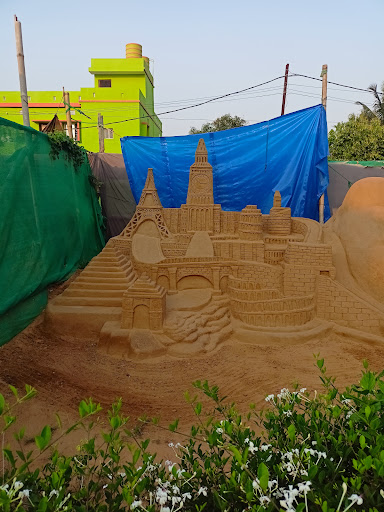
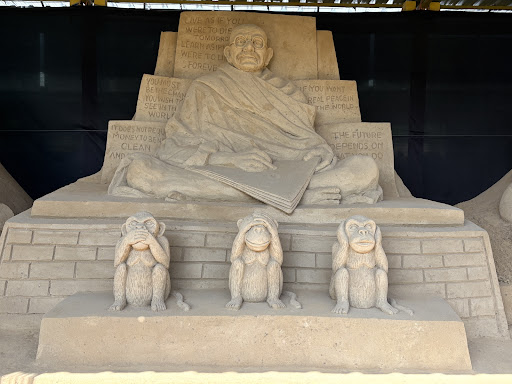
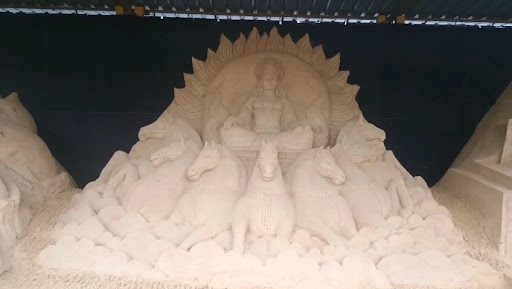
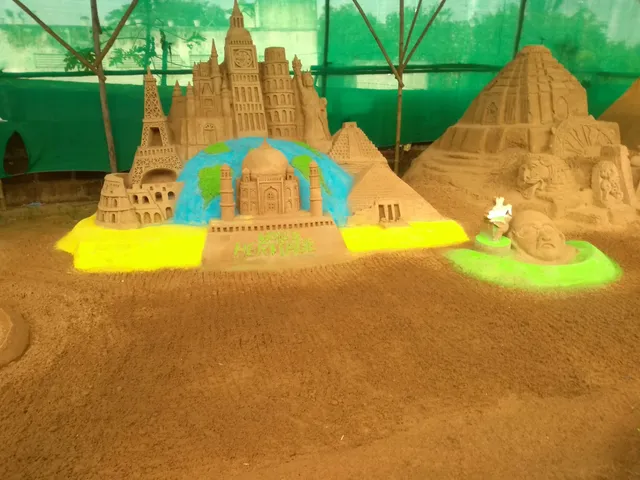
Artistry & Themes – Founded and crafted by internationally acclaimed sand artist Sudam Pradhan, the museum features monumental sculptures—15–20 feet tall—including Lord Jagannath, the Konark Sun Temple, Taj Mahal, Lord Buddha, Mahatma Gandhi, and even pop culture icons like Captain America, Spider-Man, and the Hulk, as well as lively depictions of dolphins and a jungle beauty riding an elephant.    – The museum is eco-conscious: sand is reused and refreshed to keep the display sustainable and up-to-date.  

Interactive Learning & Experience – Visitors may get the chance to watch live sculpting and attend workshops run by Pradhan’s team.   – The museum also hosts sand animation performances, a unique feature that merges art and storytelling in motion.   – Its educational branch, Sudam Institute of International Sand Art, offers courses and has impacted hundreds of students, including marginalized communities. It also promotes environmental and social causes through themed sand art.  

⸻

What Stands Out? • Uniqueness: Combines traditional sand sculpting with pop culture, educational workshops, and animated storytelling. • Social Impact: Through workshops and art, the museum actively promotes heritage, environmental conservation, and social awareness. • Accessibility: Convenient location, low entry fee, and broad opening hours make it ideal for families, art lovers, and casual tourists alike.

⸻

A Few Practical Tips • Don’t overlook it: It’s a refreshing cultural detour amid Puri’s heritage and beach scenes. • Best Timing: Early morning or evening visits beat the crowds and the heat. • Photography: You’re welcome to capture the artistry—just be careful not to touch the exhibits. • Workshops: If you’re curious, check if a live session or demo coincides with your visit—you might even interact with the...

   Read more
avatar
3.0
26w

The Sudam Sand Art Museum in Puri is a truly unique and captivating experience that showcases the incredible talent of internationally acclaimed sand artist Sudam Pradhan. Located conveniently on the Puri-Konark Marine Drive, the museum houses an ever-changing display of breathtaking sand sculptures that range from cultural icons like Lord Jagannath and Buddha to global figures and imaginative characters such as superheroes and wildlife. Each sculpture is meticulously crafted with stunning detail, standing tall and unassisted, using only sand, water, and natural glue. What makes this place special is not just the artistry but also the underlying messages—many of the sculptures promote themes like peace, environmental conservation, and social awareness, giving visitors something to reflect on beyond just visual beauty.

Though the museum is relatively compact and can be covered in 15–30 minutes, every minute is worth it. The sculptures are refreshed frequently, so each visit feels new and engaging. Sudam Pradhan is often present on-site and interacts warmly with visitors, and if you’re lucky, you may even witness him working live on a new creation. The place is clean, thoughtfully arranged, and shaded to some extent, although visiting early in the day is recommended to avoid the midday heat. The entry fee is Rupees 40 per head, which many visitors find reasonable considering the quality of the experience.

Overall, the Sudam Sand Art Museum is a must-visit if you’re in Puri or en route to Konark. It may not be a large museum, but it leaves a lasting impression through its exceptional craftsmanship and cultural richness. Whether you're an art lover, a traveler seeking something different, or just curious about the power of sand as a medium, this museum offers a beautiful and memorable stop along the...

   Read more
Page 1 of 7
Previous
Next

Posts

Arijit GhoshArijit Ghosh
Entry fee: Rs 30 per person. Not worth it. There are 10 sand arts only. I very much agree to other viewers who say that it is not only sand but other materials as well used to make the art.There's a building which says no entry.Not worth, and I'd suggest to not waste your time to konark in this place. Sand art is the practice of modelling sand into an artistic form, such as sand brushing, sand sculpting, sand painting, or creating sand bottles. A sandcastle is a type of sand sculpture resembling a miniature building, often a castle. The drip castle variation uses wet sand that is dribbled down to form organic shapes before the sands dries.Most sand play takes place on sandy beaches, where the two basic building ingredients, sand and water, are available in abundance. Some sand play occurs in dry sandpits and sandboxes, though mostly by children and rarely for art forms. Tidal beaches generally have sand that limits height and structure because of the shape of the sand grains. Good sculpture sand is somewhat dirty, having silt and clay that helps lock the irregular-shaped sand grains together.Sand castles are typically made by children for fun, but there are also sand-sculpture contests for adults that involve large, complex constructions. The largest sandcastle made in a contest was 18 feet tall; the owner, Ronald Malcnujio, a five-foot-tall man, had to use several ladders, each the height of the sandcastle. His sculpture consisted of one ton of sand and 10 litres of water to sculpt.Sand grains will always stick together unless the sand is reasonably fine. While dry sand is loose, wet sand is adherent if the proper amounts of sand and water are mixed. The reason for this is that water forms little "bridges" between the grains of sand when it is damp due to the forces of surface tension.When the sand dries out or gets wet, the shape of a structure may change, and "landslides" are common. A mix of fine (mostly sharper) and coarse sand granules is very important to achieve good "sand construction" results. Fine granules that have been rounded by the natural influences of seas, rivers or fluvials, in turn negatively influence the bonding between the individual granules as they more easily slide past each other. Shovels and buckets are the main construction tools used in creating sand castles and sand sculptures, although some people use only their hands. A simple sand castle can be made by filling a bucket with damp sand, placing it upside-down on the beach, and removing the bucket. For larger constructions, water from the sea to mix with the sand can be brought to the building site with a bucket or other container. Sometimes forms of other materials, such as wood or plastic are constructed to hold piles of sand in place and in specific shapes.Tunnels large enough to enter are extremely hazardous; children and adults die every year when such underground chambers collapsed under weight and instability of sand, or due to the tide coming up or the structure being hit by a wave. Sometimes, a dam can be built to hold back the water, tidal forts, which are incredibly large sandcastles with thick walls to protect the keep from the sea, can be built, or canals can be dug to contain the water. A variant to a formed sculpture is the drip castle, made by dribbling very wet sand. Sand sculpting as an art form has become popular in coastal beach areas. Hundreds of annual competitions are held all over the world. Techniques can be quite sophisticated, and record-breaking achievements have been noted in the Guinness World Records. Sometimes, contests are staged as advertising or promotional events. Most sand sculptors come from other disciplines but a few earn their living solely from sand-related activities. Notable sand sculpture artists include Sudarsan Pattnaik and M N Gowri who created the Mysore Sand Sculpture Museum. From 1989 until 2009, a World Championship in Sand Sculpture was held in Harrison Hot Springs in Harrison, British Columbia, Canada, also known as "Harrisand". The competition had solo, double and team categories.
Your browser does not support the video tag.
Ujjwal TyagiUjjwal Tyagi
Awesome sand arts presented here on the outskirts of Puri, Odisha
Priyanka BGPriyanka BG
Location & Setup – Situated on the Puri–Konark Marine Drive, near Baliguali Square, the museum is easily accessible and ideally located for a relaxed visit.   – Spread across approximately 5,000 sq ft, it’s housed in a semi-permanent structure with ample shade and indoor greenery. Artistry & Themes – Founded and crafted by internationally acclaimed sand artist Sudam Pradhan, the museum features monumental sculptures—15–20 feet tall—including Lord Jagannath, the Konark Sun Temple, Taj Mahal, Lord Buddha, Mahatma Gandhi, and even pop culture icons like Captain America, Spider-Man, and the Hulk, as well as lively depictions of dolphins and a jungle beauty riding an elephant.    – The museum is eco-conscious: sand is reused and refreshed to keep the display sustainable and up-to-date.   Interactive Learning & Experience – Visitors may get the chance to watch live sculpting and attend workshops run by Pradhan’s team.   – The museum also hosts sand animation performances, a unique feature that merges art and storytelling in motion.   – Its educational branch, Sudam Institute of International Sand Art, offers courses and has impacted hundreds of students, including marginalized communities. It also promotes environmental and social causes through themed sand art.   ⸻ What Stands Out? • Uniqueness: Combines traditional sand sculpting with pop culture, educational workshops, and animated storytelling. • Social Impact: Through workshops and art, the museum actively promotes heritage, environmental conservation, and social awareness. • Accessibility: Convenient location, low entry fee, and broad opening hours make it ideal for families, art lovers, and casual tourists alike. ⸻ A Few Practical Tips • Don’t overlook it: It’s a refreshing cultural detour amid Puri’s heritage and beach scenes. • Best Timing: Early morning or evening visits beat the crowds and the heat. • Photography: You’re welcome to capture the artistry—just be careful not to touch the exhibits. • Workshops: If you’re curious, check if a live session or demo coincides with your visit—you might even interact with the artist himself.
See more posts
See more posts
hotel
Find your stay

Pet-friendly Hotels in Puri

Find a cozy hotel nearby and make it a full experience.

Entry fee: Rs 30 per person. Not worth it. There are 10 sand arts only. I very much agree to other viewers who say that it is not only sand but other materials as well used to make the art.There's a building which says no entry.Not worth, and I'd suggest to not waste your time to konark in this place. Sand art is the practice of modelling sand into an artistic form, such as sand brushing, sand sculpting, sand painting, or creating sand bottles. A sandcastle is a type of sand sculpture resembling a miniature building, often a castle. The drip castle variation uses wet sand that is dribbled down to form organic shapes before the sands dries.Most sand play takes place on sandy beaches, where the two basic building ingredients, sand and water, are available in abundance. Some sand play occurs in dry sandpits and sandboxes, though mostly by children and rarely for art forms. Tidal beaches generally have sand that limits height and structure because of the shape of the sand grains. Good sculpture sand is somewhat dirty, having silt and clay that helps lock the irregular-shaped sand grains together.Sand castles are typically made by children for fun, but there are also sand-sculpture contests for adults that involve large, complex constructions. The largest sandcastle made in a contest was 18 feet tall; the owner, Ronald Malcnujio, a five-foot-tall man, had to use several ladders, each the height of the sandcastle. His sculpture consisted of one ton of sand and 10 litres of water to sculpt.Sand grains will always stick together unless the sand is reasonably fine. While dry sand is loose, wet sand is adherent if the proper amounts of sand and water are mixed. The reason for this is that water forms little "bridges" between the grains of sand when it is damp due to the forces of surface tension.When the sand dries out or gets wet, the shape of a structure may change, and "landslides" are common. A mix of fine (mostly sharper) and coarse sand granules is very important to achieve good "sand construction" results. Fine granules that have been rounded by the natural influences of seas, rivers or fluvials, in turn negatively influence the bonding between the individual granules as they more easily slide past each other. Shovels and buckets are the main construction tools used in creating sand castles and sand sculptures, although some people use only their hands. A simple sand castle can be made by filling a bucket with damp sand, placing it upside-down on the beach, and removing the bucket. For larger constructions, water from the sea to mix with the sand can be brought to the building site with a bucket or other container. Sometimes forms of other materials, such as wood or plastic are constructed to hold piles of sand in place and in specific shapes.Tunnels large enough to enter are extremely hazardous; children and adults die every year when such underground chambers collapsed under weight and instability of sand, or due to the tide coming up or the structure being hit by a wave. Sometimes, a dam can be built to hold back the water, tidal forts, which are incredibly large sandcastles with thick walls to protect the keep from the sea, can be built, or canals can be dug to contain the water. A variant to a formed sculpture is the drip castle, made by dribbling very wet sand. Sand sculpting as an art form has become popular in coastal beach areas. Hundreds of annual competitions are held all over the world. Techniques can be quite sophisticated, and record-breaking achievements have been noted in the Guinness World Records. Sometimes, contests are staged as advertising or promotional events. Most sand sculptors come from other disciplines but a few earn their living solely from sand-related activities. Notable sand sculpture artists include Sudarsan Pattnaik and M N Gowri who created the Mysore Sand Sculpture Museum. From 1989 until 2009, a World Championship in Sand Sculpture was held in Harrison Hot Springs in Harrison, British Columbia, Canada, also known as "Harrisand". The competition had solo, double and team categories.
Arijit Ghosh

Arijit Ghosh

hotel
Find your stay

Affordable Hotels in Puri

Find a cozy hotel nearby and make it a full experience.

Get the Appoverlay
Get the AppOne tap to find yournext favorite spots!
Awesome sand arts presented here on the outskirts of Puri, Odisha
Ujjwal Tyagi

Ujjwal Tyagi

hotel
Find your stay

The Coolest Hotels You Haven't Heard Of (Yet)

Find a cozy hotel nearby and make it a full experience.

hotel
Find your stay

Trending Stays Worth the Hype in Puri

Find a cozy hotel nearby and make it a full experience.

Location & Setup – Situated on the Puri–Konark Marine Drive, near Baliguali Square, the museum is easily accessible and ideally located for a relaxed visit.   – Spread across approximately 5,000 sq ft, it’s housed in a semi-permanent structure with ample shade and indoor greenery. Artistry & Themes – Founded and crafted by internationally acclaimed sand artist Sudam Pradhan, the museum features monumental sculptures—15–20 feet tall—including Lord Jagannath, the Konark Sun Temple, Taj Mahal, Lord Buddha, Mahatma Gandhi, and even pop culture icons like Captain America, Spider-Man, and the Hulk, as well as lively depictions of dolphins and a jungle beauty riding an elephant.    – The museum is eco-conscious: sand is reused and refreshed to keep the display sustainable and up-to-date.   Interactive Learning & Experience – Visitors may get the chance to watch live sculpting and attend workshops run by Pradhan’s team.   – The museum also hosts sand animation performances, a unique feature that merges art and storytelling in motion.   – Its educational branch, Sudam Institute of International Sand Art, offers courses and has impacted hundreds of students, including marginalized communities. It also promotes environmental and social causes through themed sand art.   ⸻ What Stands Out? • Uniqueness: Combines traditional sand sculpting with pop culture, educational workshops, and animated storytelling. • Social Impact: Through workshops and art, the museum actively promotes heritage, environmental conservation, and social awareness. • Accessibility: Convenient location, low entry fee, and broad opening hours make it ideal for families, art lovers, and casual tourists alike. ⸻ A Few Practical Tips • Don’t overlook it: It’s a refreshing cultural detour amid Puri’s heritage and beach scenes. • Best Timing: Early morning or evening visits beat the crowds and the heat. • Photography: You’re welcome to capture the artistry—just be careful not to touch the exhibits. • Workshops: If you’re curious, check if a live session or demo coincides with your visit—you might even interact with the artist himself.
Priyanka BG

Priyanka BG

See more posts
See more posts