HTML SitemapExplore

Pelabuhan Sunda Klp. — Local services in Jakarta

Name
Pelabuhan Sunda Klp.
Description
Nearby attractions
Luar Batang Holy Mosque
Jl. Luar Batang V No.15 6, RT.6/RW.3, Penjaringan, Kecamatan Penjaringan, Jkt Utara, Daerah Khusus Ibukota Jakarta 14440, Indonesia
Kasteel Batavia
VRC7+C7J, Unnamed Road, RT.8/RW.4, Ancol, Pademangan, North Jakarta City, Jakarta 14430, Indonesia
Nearby restaurants
Marina Batavia
Jl. Ancol Barat IV, RT.1/RW.3, Ancol, Kec. Pademangan, Jkt Utara, Daerah Khusus Ibukota Jakarta 14430, Indonesia
Karya Bundo Rumah Makan
Jl. Gedong Panjang No.34, RT.2/RW.7, Penjaringan, Kecamatan Penjaringan, Jkt Utara, Daerah Khusus Ibukota Jakarta 14440, Indonesia
Warung Pepes Bakar #WARUNGPB
Jl. Lodan Dalam No.2c 6, RT.5/RW.8, Ancol, Kota Tua, Jkt Utara, Daerah Khusus Ibukota Jakarta 14430, Indonesia
Rumah Makan Aceh Krueng Mane
Jl. Gedong Panjang No.2, RT.2/RW.7, Penjaringan, Kecamatan Penjaringan, Jkt Utara, Daerah Khusus Ibukota Jakarta 14440, Indonesia
Taman Kuliner Waduk Pluit
VRG2+694, RT.2/RW.10, Pluit, Penjaringan, North Jakarta City, Jakarta 14450, Indonesia
cafeli coffee & bento
Murta Baru No.7 21, RT.21/RW.7, Penjaringan, North Jakarta City, Jakarta 14440, Indonesia
Warung Tegal
Jl. Muara Baru No.5-4, RT.16/RW.17, Penjaringan, Kecamatan Penjaringan, Jkt Utara, Daerah Khusus Ibukota Jakarta 14440, Indonesia
Nasi Bebek Madura Gedong Panjang
Jl. Gedong Panjang No.8 2, RT.2/RW.7, Penjaringan, Kecamatan Penjaringan, Jkt Utara, Daerah Khusus Ibukota Jakarta 14440, Indonesia
Smoke-lah bbq
VRG2+774, Jl. Waduk Pluit Sel., RT.2/RW.10, Pluit, Kecamatan Penjaringan, Jkt Utara, Daerah Khusus Ibukota Jakarta 14450, Indonesia
Cafe Hello Kitty
Jl. Pluit Raya III No.7, RT.7/RW.7, Penjaringan, Kecamatan Penjaringan, Jkt Utara, Daerah Khusus Ibukota Jakarta 14440, Indonesia
Nearby local services
Museum Bahari Jakarta
Jl. Ps. Ikan No.1, RT.11/RW.4, Penjaringan, Kecamatan Penjaringan, Jkt Utara, Daerah Khusus Ibukota Jakarta 14440, Indonesia
Pelabuhan Sunda Kelapa
Jl. Baruna II No.5 11, RT.11/RW.8, Ancol, Kec. Pademangan, Jkt Utara, Daerah Khusus Ibukota Jakarta 14430, Indonesia
Pelabuhan Sunda Kelapa
JL. Pinisi Raya K.T.K.B. Ancol Pademangan, No. 2, JL.DHARMA WANITA Jl. Sunda Klp. No.9, RT.11/RW.8, Ancol, Kec. Pademangan, Jkt Utara, Daerah Khusus Ibukota Jakarta 14430, Indonesia
Pelabuhan Sunda Kelapa Jakarta
Ancol, Pademangan, North Jakarta City, Jakarta, Indonesia
Batavia Fortress
VRC7+C7J, Unnamed Road, RT.8/RW.4, Ancol, Pademangan, North Jakarta City, Jakarta 14430, Indonesia
Nearby hotels
Related posts
Keywords
Pelabuhan Sunda Klp. tourism.Pelabuhan Sunda Klp. hotels.Pelabuhan Sunda Klp. bed and breakfast. flights to Pelabuhan Sunda Klp..Pelabuhan Sunda Klp. attractions.Pelabuhan Sunda Klp. restaurants.Pelabuhan Sunda Klp. local services.Pelabuhan Sunda Klp. travel.Pelabuhan Sunda Klp. travel guide.Pelabuhan Sunda Klp. travel blog.Pelabuhan Sunda Klp. pictures.Pelabuhan Sunda Klp. photos.Pelabuhan Sunda Klp. travel tips.Pelabuhan Sunda Klp. maps.Pelabuhan Sunda Klp. things to do.
Pelabuhan Sunda Klp. things to do, attractions, restaurants, events info and trip planning
Pelabuhan Sunda Klp.
IndonesiaJakartaPelabuhan Sunda Klp.

Basic Info

Pelabuhan Sunda Klp.

Jakarta, Indonesia
4.3(343)
Save
spot

Ratings & Description

Info

Cultural
Scenic
attractions: Luar Batang Holy Mosque, Kasteel Batavia, restaurants: Marina Batavia, Karya Bundo Rumah Makan, Warung Pepes Bakar #WARUNGPB, Rumah Makan Aceh Krueng Mane, Taman Kuliner Waduk Pluit, cafeli coffee & bento, Warung Tegal, Nasi Bebek Madura Gedong Panjang, Smoke-lah bbq, Cafe Hello Kitty, local businesses: Museum Bahari Jakarta, Pelabuhan Sunda Kelapa, Pelabuhan Sunda Kelapa, Pelabuhan Sunda Kelapa Jakarta, Batavia Fortress

logoLearn more insights from Wanderboat AI.

Plan your stay

hotel
Pet-friendly Hotels in Jakarta
Find a cozy hotel nearby and make it a full experience.

hotel
Affordable Hotels in Jakarta
Find a cozy hotel nearby and make it a full experience.

hotel
The Coolest Hotels You Haven't Heard Of (Yet)
Find a cozy hotel nearby and make it a full experience.

hotel
Trending Stays Worth the Hype in Jakarta
Find a cozy hotel nearby and make it a full experience.

Reviews

Live events
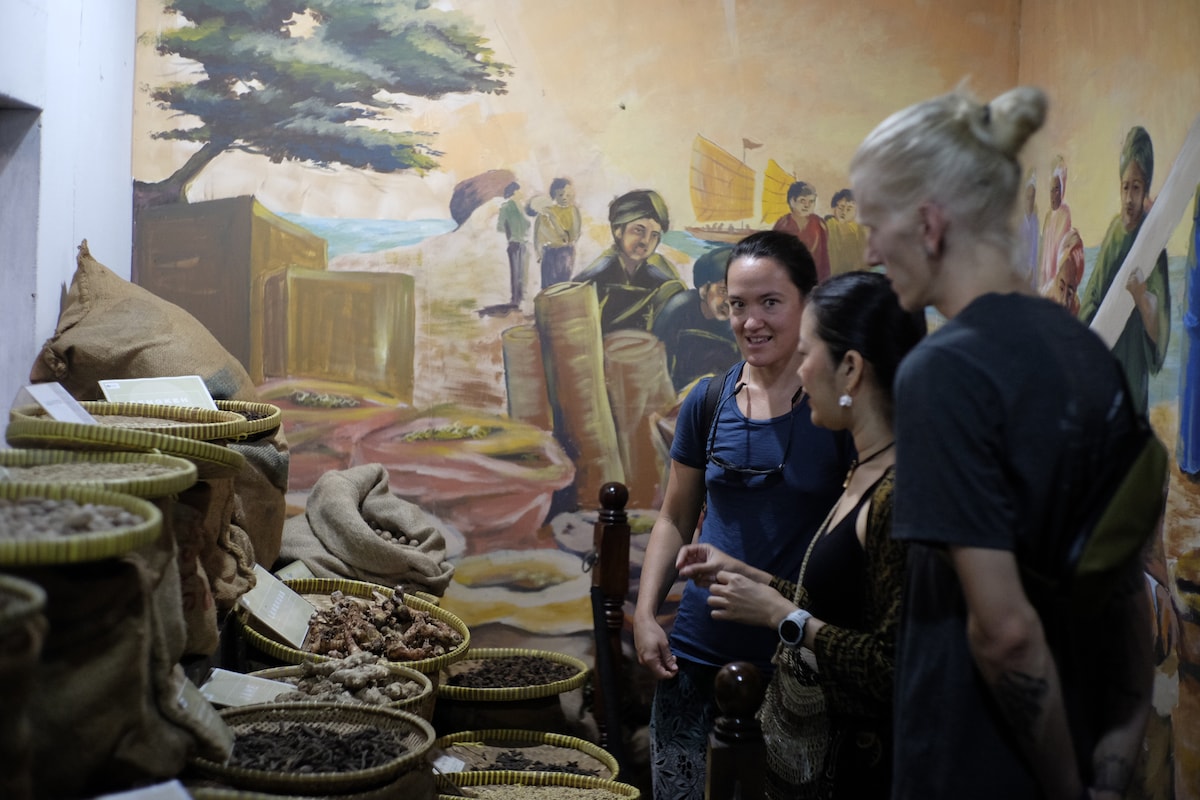
Understanding Jakarta
Tue, Jan 27 • 8:00 AM
Menteng, Jakarta, 10350, Indonesia
View details
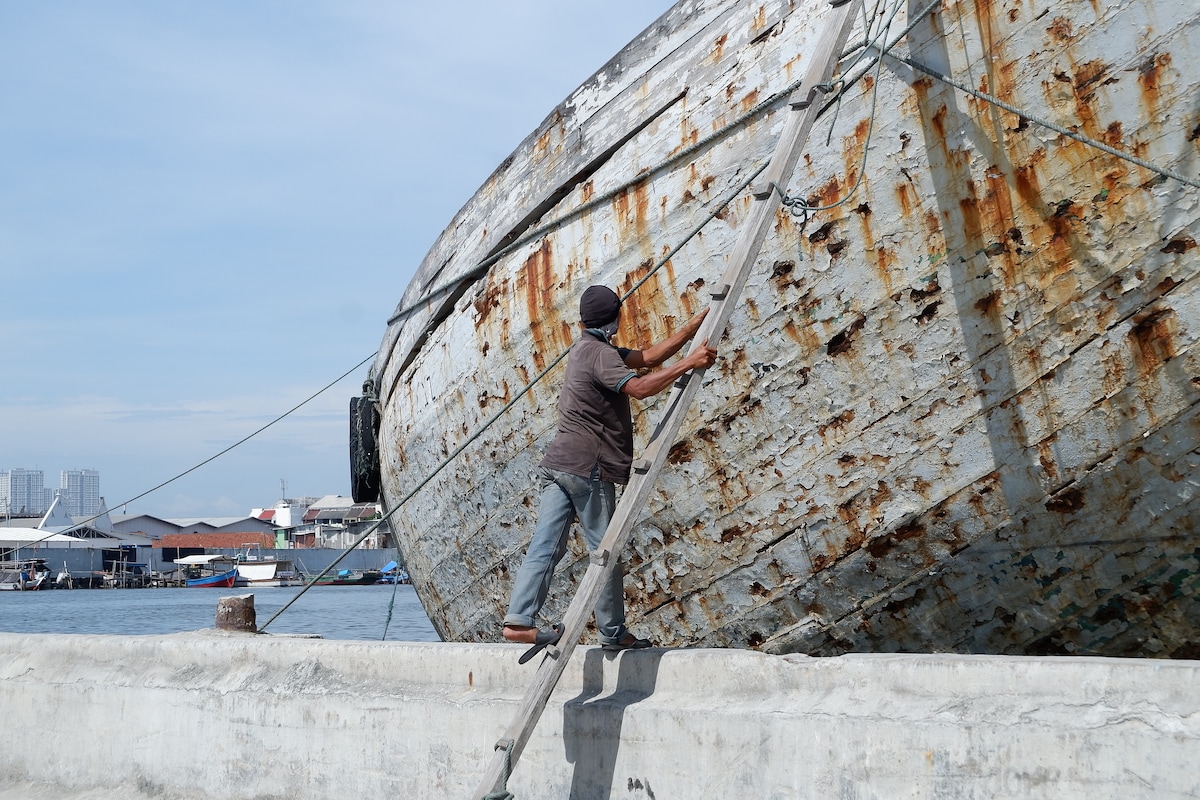
Explore traditional Indonesian sailing ships
Sun, Feb 1 • 8:00 AM
Penjaringan, Jakarta, 14440, Indonesia
View details
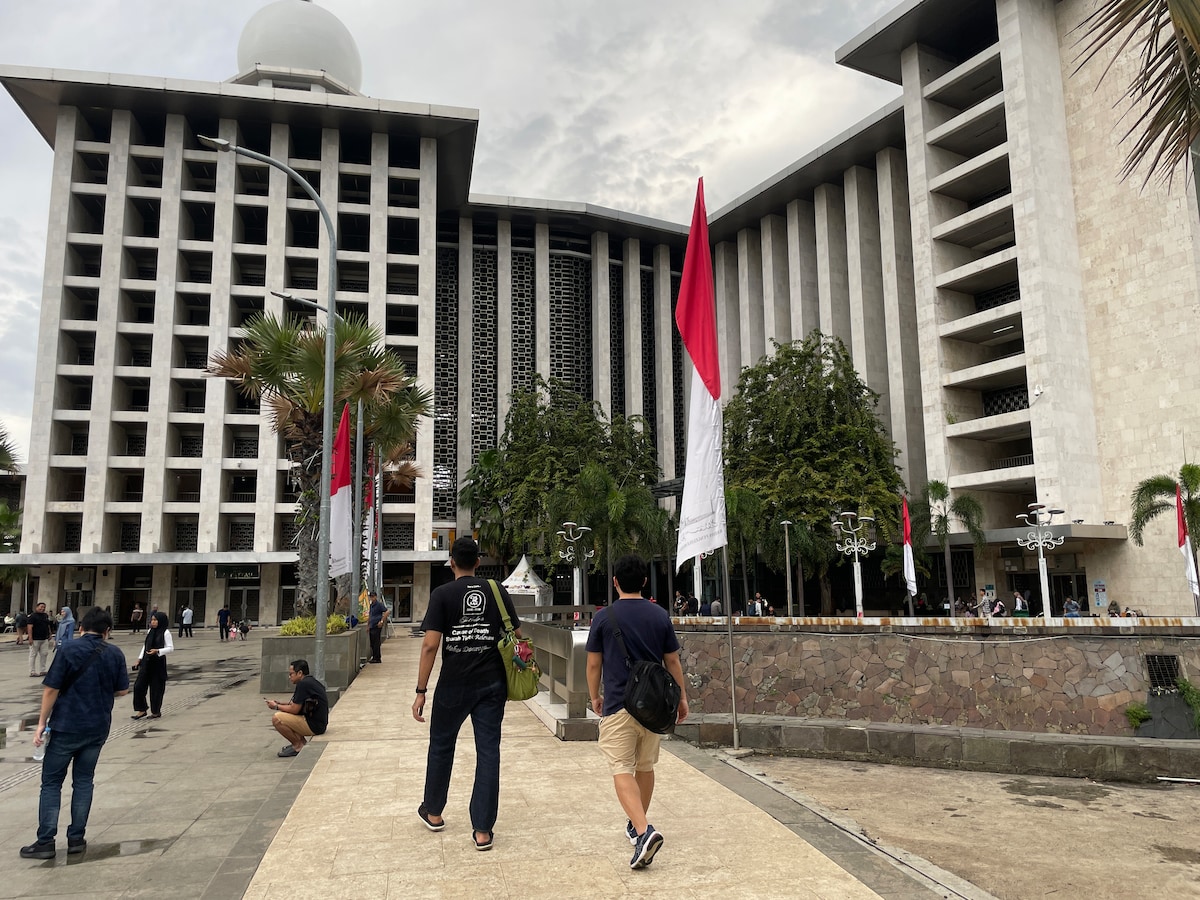
Jakarta Social and Political Walk
Tue, Jan 27 • 3:00 PM
Sawah Besar, Jakarta, 10710, Indonesia
View details

Nearby attractions of Pelabuhan Sunda Klp.

Luar Batang Holy Mosque

Kasteel Batavia
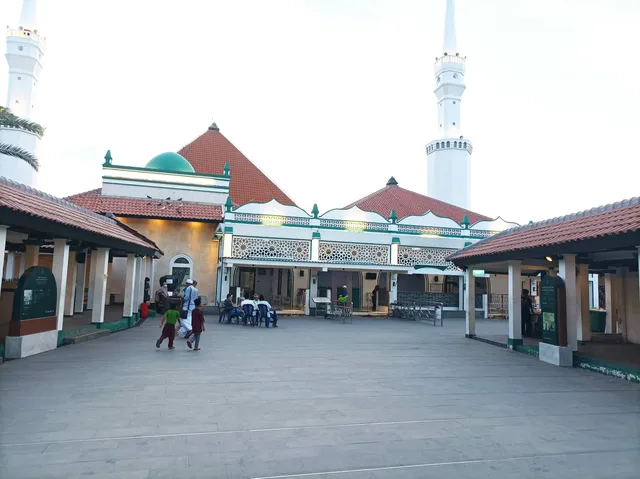
Luar Batang Holy Mosque

Luar Batang Holy Mosque

4.8

(481)

Open until 9:30 PM
Click for details
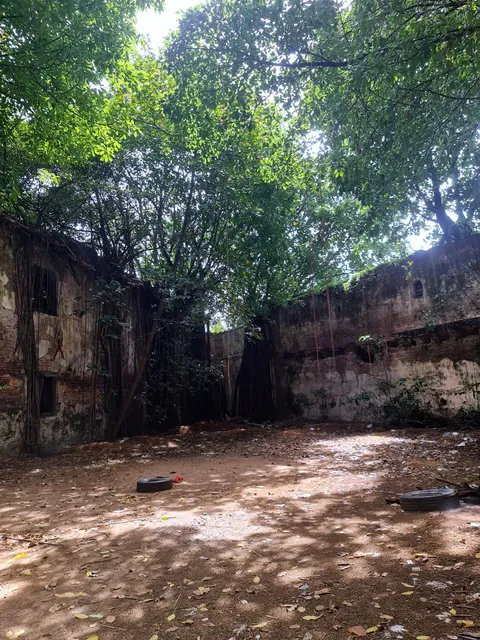
Kasteel Batavia

Kasteel Batavia

4.2

(68)

Open until 5:00 PM
Click for details

Nearby restaurants of Pelabuhan Sunda Klp.

Marina Batavia

Karya Bundo Rumah Makan

Warung Pepes Bakar #WARUNGPB

Rumah Makan Aceh Krueng Mane

Taman Kuliner Waduk Pluit

cafeli coffee & bento

Warung Tegal

Nasi Bebek Madura Gedong Panjang

Smoke-lah bbq

Cafe Hello Kitty
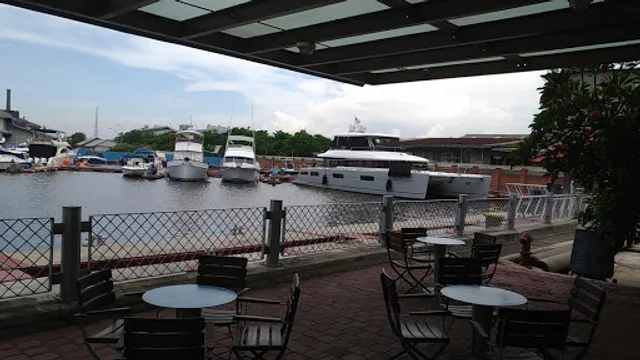
Marina Batavia

Marina Batavia

4.6

(1.7K)

$$

Open until 10:00 PM
Click for details
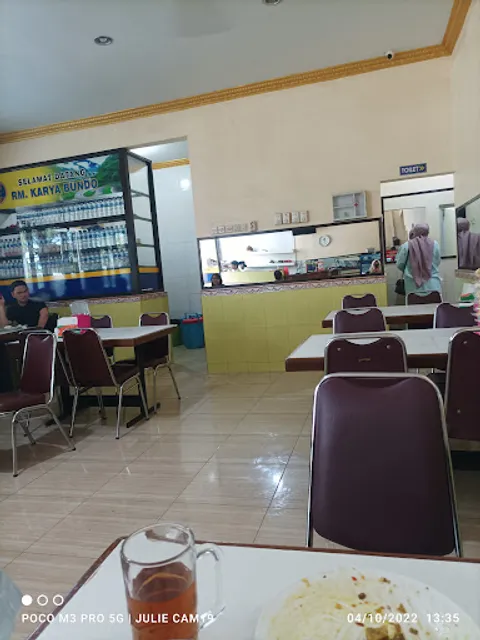
Karya Bundo Rumah Makan

Karya Bundo Rumah Makan

4.4

(340)

Open until 10:00 PM
Click for details
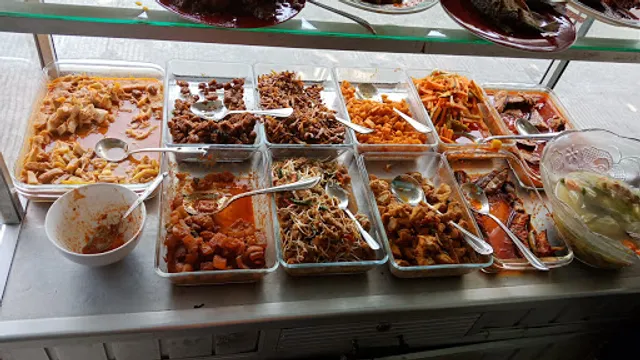
Warung Pepes Bakar #WARUNGPB

Warung Pepes Bakar #WARUNGPB

3.5

(6)

Open until 9:00 PM
Click for details
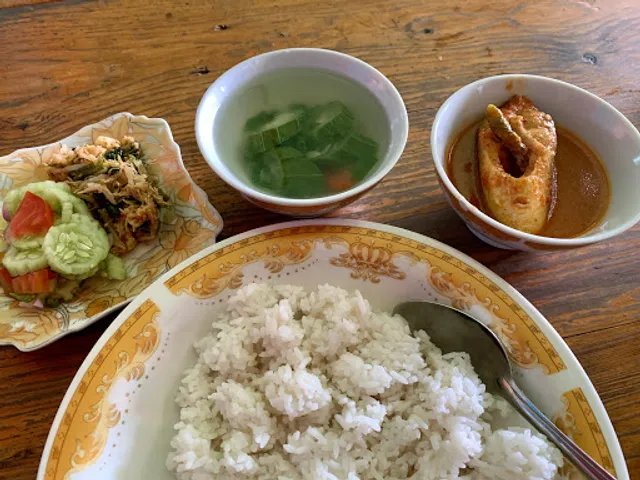
Rumah Makan Aceh Krueng Mane

Rumah Makan Aceh Krueng Mane

4.6

(24)

Open until 10:00 PM
Click for details

Nearby local services of Pelabuhan Sunda Klp.

Museum Bahari Jakarta

Pelabuhan Sunda Kelapa

Pelabuhan Sunda Kelapa

Pelabuhan Sunda Kelapa Jakarta

Batavia Fortress

Museum Bahari Jakarta

Museum Bahari Jakarta

4.5

(1.6K)

Click for details
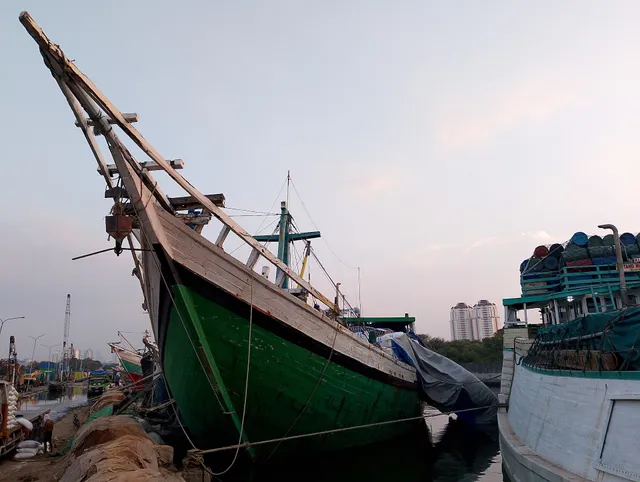
Pelabuhan Sunda Kelapa

Pelabuhan Sunda Kelapa

4.4

(20)

Click for details
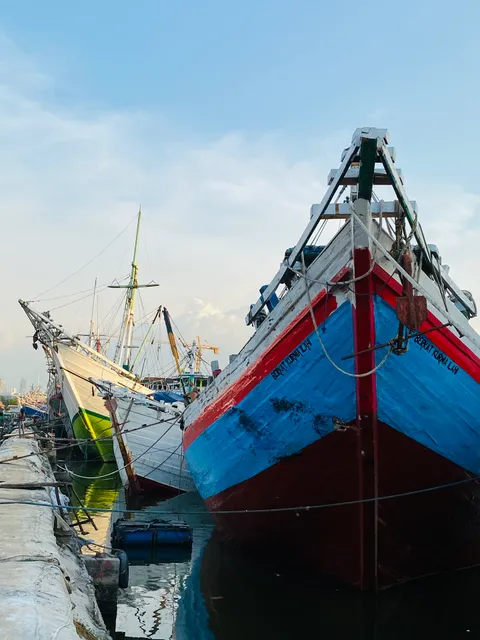
Pelabuhan Sunda Kelapa

Pelabuhan Sunda Kelapa

4.4

(44)

Click for details
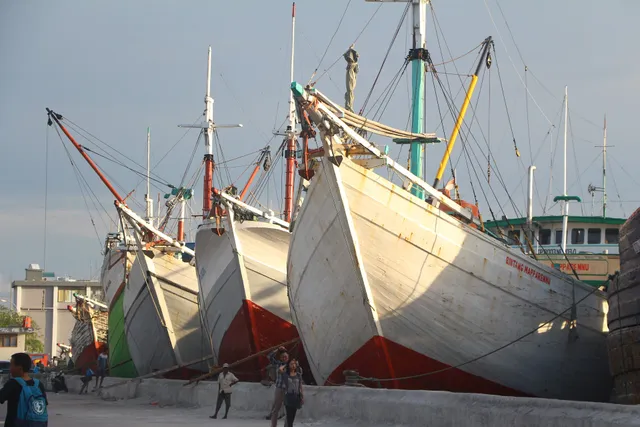
Pelabuhan Sunda Kelapa Jakarta

Pelabuhan Sunda Kelapa Jakarta

4.2

(74)

Click for details

Get the Appoverlay
Get the AppOne tap to find yournext favorite spots!
Wanderboat LogoWanderboat

Your everyday Al companion for getaway ideas

CompanyAbout Us
InformationAI Trip PlannerSitemap
SocialXInstagramTiktokLinkedin
LegalTerms of ServicePrivacy Policy

Get the app

© 2025 Wanderboat. All rights reserved.

Reviews of Pelabuhan Sunda Klp.

4.3
(343)
avatar
4.0
2y

Sunda Kelapa, a historic harbor in Jakarta, Indonesia, bears a rich and intricate history that intertwines with the rise and fall of empires, the ebb and flow of trade, and the resilience of the human spirit. From its humble beginnings as a small seaport to its transformation into a bustling commercial hub and its eventual decline, Sunda Kelapa has witnessed the evolution of Indonesia's maritime heritage.

Emergence as a Trading Hub:

Sunda Kelapa's origins can be traced back to the 13th century, when it emerged as the main port of the Sunda Kingdom, a powerful Hindu kingdom that ruled over western Java. The port's strategic location, nestled along the Ciliwung River estuary and close to the Sunda Strait, made it a vital link to the lucrative spice trade routes of the Nusantara archipelago.

Arrival of the Portuguese:

In the early 16th century, the arrival of European powers, particularly the Portuguese, marked a turning point in Sunda Kelapa's history. Seeking to establish a foothold in the lucrative spice trade, the Portuguese forged an alliance with the Sunda Kingdom in 1512, securing access to Sunda Kelapa's port and establishing a fortified trading post.

Dutch Colonialism and the Rise of Batavia:

However, the Portuguese presence in Sunda Kelapa was short-lived. In 1527, the Dutch East India Company (VOC) arrived in the region, seeking to expand their own trading empire. After a series of conflicts with the Portuguese and the Sunda Kingdom, the VOC established their own fortified city, Batavia, just north of Sunda Kelapa in 1619.

Under Dutch rule, Sunda Kelapa continued to thrive as a commercial hub, serving as the gateway for trade between Batavia and the rest of the world. The port, now known as the Haven Kanaal ("Harbor Canal"), was a bustling center of activity, with ships laden with spices, textiles, and other goods arriving from across the globe.

Decline and Transformation:

In the late 19th century, the construction of the Tanjung Priok port, further north along Jakarta's coast, gradually diminished the importance of Sunda Kelapa. As larger ships became more common, Tanjung Priok's deeper harbor proved more suitable for modern trade.

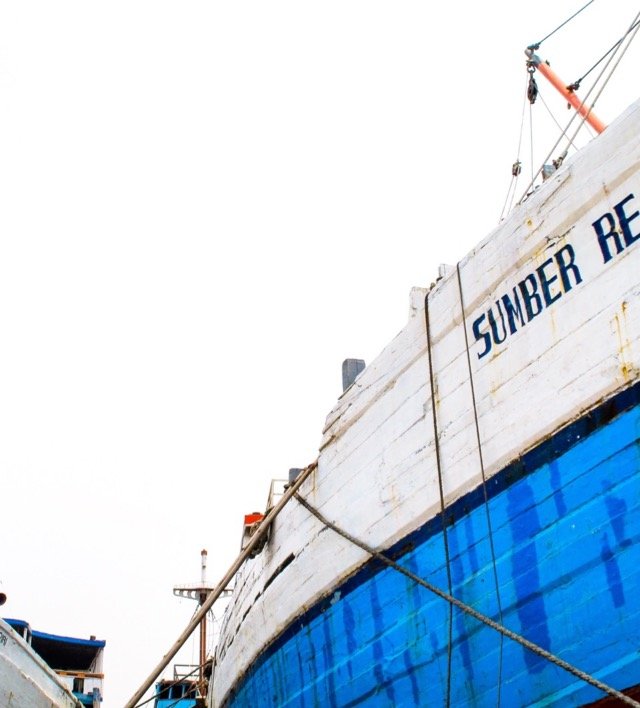
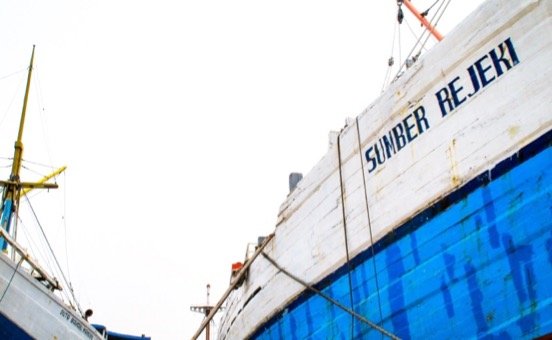
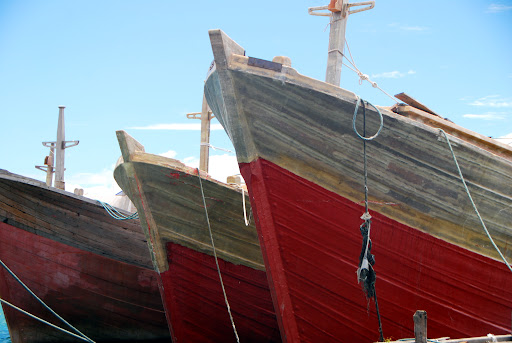
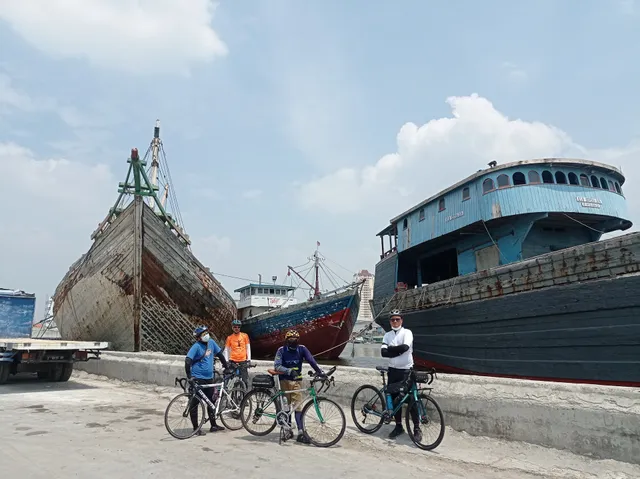
Despite its decline as a commercial hub, Sunda Kelapa retained its historical significance and cultural value. The port's traditional wooden phinisi schooners, still used for inter-island trade, became a symbol of Indonesia's maritime heritage. The surrounding area transformed into a vibrant fishing community, with traditional wooden boats lining the canals and bustling fish markets attracting visitors.

Today and Beyond:

Today, Sunda Kelapa stands as a testament to Indonesia's rich maritime history. The port's traditional fishing boats, the phinisi schooners, continue to grace the waters, adding a touch of nostalgia to the bustling harbor. While its commercial significance has diminished, Sunda Kelapa remains a symbol of Jakarta's maritime heritage and a reminder of the city's transformation from a small seaport to a...

   Read more
avatar
4.0
6y

Sunda Kelapa (Sd. Sunda Kalapa) adalah nama sebuah pelabuhan dan tempat sekitarnya di Jakarta, Indonesia. Pelabuhan ini terletak di kelurahan Penjaringan, kecamatan Penjaringan, Jakarta Utara. Meskipun sekarang Sunda Kelapa hanyalah nama salah satu pelabuhan di Jakarta, daerah ini sangat penting karena desa di sekitar pelabuhan Sunda Kelapa adalah cikal-bakal kota Jakarta yang hari jadinya ditetapkan pada tanggal 22 Juni 1527. Kala itu Kalapa, nama aslinya, merupakan pelabuhan Kerajaan Sunda atau yang lebih dikenal saat itu sebagai Kerajaan Pajajaran yang beribukota di Pakuan Pajajaran (sekarang kota Bogor) yang direbut oleh pasukan Demak dan Cirebon. Walaupun hari jadi kota Jakarta baru ditetapkan pada abad ke-16, sejarah Sunda Kelapa sudah dimulai jauh lebih awal, yaitu pada zaman pendahulu Pajajaran, yaitu kerajaan Tarumanagara. Kerajaan Tarumanagara pernah diserang dan ditaklukkan oleh kerajaan Sriwijaya dari Sumatera Pelabuhan Kalapa telah dikenal semenjak abad ke-12 dan kala itu merupakan pelabuhan terpenting Pajajaran. Kemudian pada masa masuknya Islam dan para penjajah Eropa, Kalapa diperebutkan antara kerajaan-kerajaan Nusantara dan Eropa. Akhirnya Belanda berhasil menguasainya cukup lama sampai lebih dari 300 tahun. Para penakluk ini mengganti nama pelabuhan Kalapa dan daerah sekitarnya. Namun pada awal tahun 1970-an, nama kuno Kalapa kembali digunakan sebagai nama resmi pelabuhan tua ini dalam bentuk "Sunda Kelapa". Masa Hindu-Buddha Sunting Menurut penulis Portugis Tomé Pires, Kalapa adalah pelabuhan terbesar di Jawa Barat, selain Sunda (Banten), Pontang, Cigede, Tamgara dan Cimanuk yang juga dimiliki Pajajaran.[1] Sunda Kelapa yang dalam teks ini disebut Kalapa dianggap pelabuhan yang terpenting karena dapat ditempuh dari ibu kota kerajaan yang disebut dengan nama Dayo (dalam bahasa Sunda modern: dayeuh yang berarti kota) dalam tempo dua hari.[2]

Pelabuhan ini telah dipakai sejak zaman Tarumanagara dan diperkirakan sudah ada sejak abad ke-5 dan saat itu disebut Sundapura. Pada abad ke-12, pelabuhan ini dikenal sebagai pelabuhan lada yang sibuk milik Kerajaan Sunda, yang memiliki ibukota di Pakuan Pajajaran atau Pajajaran yang saat ini menjadi Kota Bogor. Kapal-kapal asing yang berasal dari Tiongkok, Jepang, India Selatan, dan Timur Tengah sudah berlabuh di pelabuhan ini membawa barang-barang seperti porselen, kopi, sutra, kain, wangi-wangian, kuda, anggur, dan zat warna untuk ditukar dengan rempah-rempah yang menjadi komoditas dagang saat itu. Masa Islam dan awal kolonialisme Barat Sunting Pada akhir abad ke-15 dan awal abad ke-16, para penjelajah Eropa mulai berlayar mengunjungi sudut-sudut dunia. Bangsa Portugis berlayar ke Asia dan pada tahun 1511, mereka bahkan bisa merebut kota pelabuhan Malaka, di Semenanjung Malaka. Malaka dijadikan basis untuk penjelajahan lebih lanjut di Asia Tenggara dan Asia Timur. Tome Pires, salah seorang penjelajah Portugis, mengunjungi pelabuhan-pelabuhan di pantai utara Pulau Jawa antara tahun 1512 dan 1515. Ia menggambarkan bahwa pelabuhan Sunda Kelapa ramai disinggahi pedagang-pedagang dan pelaut dari luar seperti dari Sumatra, Malaka, Sulawesi Selatan, Jawa dan Madura. Menurut laporan tersebut, di Sunda Kelapa banyak diperdagangkan lada, beras, asam, hewan potong, emas, sayuran serta buah-buahan. Laporan Portugis menjelaskan bahwa Sunda Kelapa terbujur sepanjang satu atau dua kilometer di atas potongan-potongan tanah sempit yang dibersihkan di kedua tepi sungai Ciliwung. Tempat ini ada di dekat muaranya yang terletak di teluk yang terlindung oleh beberapa buah pulau. Sungainya memungkinkan untuk dimasuki 10 kapal dagang yang masing-masing memiliki kapasitas sekitar 100 ton. Kapal-kapal tersebut umumnya dimiliki oleh orang-orang Melayu, Jepang dan Tionghoa. Di samping itu ada pula kapal-kapal dari daerah yang sekarang disebut Indonesia Timur. Sementara itu kapal-kapal Portugis dari tipe kecil yang memiliki kapasitas muat antara 500 - 1.000 ton harus berlabuh di depan pantai. Tome Pires juga menyatakan bahwa barang-barang komoditas dagang Sunda diangkut...

   Read more
avatar
4.0
1y

Menarik dan selalu menarik, melihat kapal kayu dengan ukuran besar, apalagi masih melakukan perjalanan di lautan di jaman perahu menggunakan baja. Pembuatan kapal kayu sebagai sarana tranportasi perairan laut masih berjalan hingga saat ini.

Pelabuhan nelayan dan angkutan barang antar pulau masih menggunakan kapal kayu (kapal pinisi), contohnya di pelabuhan Sunda Kelapa.

Tradisi pembuatan kapal kayu masih dikerjakan untuk kebutuhan nelayan di daerah pesisir, baik ukuran kecil dan besar. Ukuran kecil untuk nelayan berangkat harian, sedangkan ukuran besar, melaut butuh waktu bulanan menjelajahi lautan dalam dan menghindari palung laut yang bunyinya dan arusnya mengerikan, kata nelayan Indramayu yang melaut ke wilayah lautan timur Indonesia.

Pelabuhan Sunda Kelapa di Jakarta merupakan pelabuhan yang mempunyai sejarah yang panjang, sejak jaman kerajaan Padjadjaran, Banten, Demak dan masuknya armada asing untuk berdagang dari Bangsa Portugis sampai penjajahan Belanda.

Dua hal yang menarik dari pelabuhan Sunda Kelapa ini, karena perubahan lingkungan dengan turunnya daratan Jakarta sedikit-sedikit tiap tahunnya dan semakin berkurangnya jumlah kapalnya.

Pengembangan pariwisata "Pelabuhan Sunda Kelapa" diperlukan sudut pandang baru, baik dari Lingkungan Pelabuhan, Tranportasi Kelautan (kapal pinisi), Sudut Pandang Kesejarahan Pelabuhan? Semoga ke depan menjadi tujuan wisata...

   Read more
Page 1 of 7
Previous
Next

Posts

simranvuessimranvues
The Journey through Hidden Gems in Jakarta & Indonesia 🇮🇩 #hiddengems #hiddengem
Sony WarsonoSony Warsono
Sunda Kelapa, a historic harbor in Jakarta, Indonesia, bears a rich and intricate history that intertwines with the rise and fall of empires, the ebb and flow of trade, and the resilience of the human spirit. From its humble beginnings as a small seaport to its transformation into a bustling commercial hub and its eventual decline, Sunda Kelapa has witnessed the evolution of Indonesia's maritime heritage. Emergence as a Trading Hub: Sunda Kelapa's origins can be traced back to the 13th century, when it emerged as the main port of the Sunda Kingdom, a powerful Hindu kingdom that ruled over western Java. The port's strategic location, nestled along the Ciliwung River estuary and close to the Sunda Strait, made it a vital link to the lucrative spice trade routes of the Nusantara archipelago. Arrival of the Portuguese: In the early 16th century, the arrival of European powers, particularly the Portuguese, marked a turning point in Sunda Kelapa's history. Seeking to establish a foothold in the lucrative spice trade, the Portuguese forged an alliance with the Sunda Kingdom in 1512, securing access to Sunda Kelapa's port and establishing a fortified trading post. Dutch Colonialism and the Rise of Batavia: However, the Portuguese presence in Sunda Kelapa was short-lived. In 1527, the Dutch East India Company (VOC) arrived in the region, seeking to expand their own trading empire. After a series of conflicts with the Portuguese and the Sunda Kingdom, the VOC established their own fortified city, Batavia, just north of Sunda Kelapa in 1619. Under Dutch rule, Sunda Kelapa continued to thrive as a commercial hub, serving as the gateway for trade between Batavia and the rest of the world. The port, now known as the Haven Kanaal ("Harbor Canal"), was a bustling center of activity, with ships laden with spices, textiles, and other goods arriving from across the globe. Decline and Transformation: In the late 19th century, the construction of the Tanjung Priok port, further north along Jakarta's coast, gradually diminished the importance of Sunda Kelapa. As larger ships became more common, Tanjung Priok's deeper harbor proved more suitable for modern trade. Despite its decline as a commercial hub, Sunda Kelapa retained its historical significance and cultural value. The port's traditional wooden phinisi schooners, still used for inter-island trade, became a symbol of Indonesia's maritime heritage. The surrounding area transformed into a vibrant fishing community, with traditional wooden boats lining the canals and bustling fish markets attracting visitors. Today and Beyond: Today, Sunda Kelapa stands as a testament to Indonesia's rich maritime history. The port's traditional fishing boats, the phinisi schooners, continue to grace the waters, adding a touch of nostalgia to the bustling harbor. While its commercial significance has diminished, Sunda Kelapa remains a symbol of Jakarta's maritime heritage and a reminder of the city's transformation from a small seaport to a modern metropolis.
Your browser does not support the video tag.
Tina MrlnTina Mrln
Setiap hari selalu banjir. Genangan air yg tak kunjung surut ditambah saluran pembuangan air padat karena banyak pasir dan lumpur menumpuk. Alhasil harus jalan kaki
See more posts
See more posts
hotel
Find your stay

Pet-friendly Hotels in Jakarta

Find a cozy hotel nearby and make it a full experience.

The Journey through Hidden Gems in Jakarta & Indonesia 🇮🇩 #hiddengems #hiddengem
simranvues

simranvues

hotel
Find your stay

Affordable Hotels in Jakarta

Find a cozy hotel nearby and make it a full experience.

Get the Appoverlay
Get the AppOne tap to find yournext favorite spots!
Sunda Kelapa, a historic harbor in Jakarta, Indonesia, bears a rich and intricate history that intertwines with the rise and fall of empires, the ebb and flow of trade, and the resilience of the human spirit. From its humble beginnings as a small seaport to its transformation into a bustling commercial hub and its eventual decline, Sunda Kelapa has witnessed the evolution of Indonesia's maritime heritage. Emergence as a Trading Hub: Sunda Kelapa's origins can be traced back to the 13th century, when it emerged as the main port of the Sunda Kingdom, a powerful Hindu kingdom that ruled over western Java. The port's strategic location, nestled along the Ciliwung River estuary and close to the Sunda Strait, made it a vital link to the lucrative spice trade routes of the Nusantara archipelago. Arrival of the Portuguese: In the early 16th century, the arrival of European powers, particularly the Portuguese, marked a turning point in Sunda Kelapa's history. Seeking to establish a foothold in the lucrative spice trade, the Portuguese forged an alliance with the Sunda Kingdom in 1512, securing access to Sunda Kelapa's port and establishing a fortified trading post. Dutch Colonialism and the Rise of Batavia: However, the Portuguese presence in Sunda Kelapa was short-lived. In 1527, the Dutch East India Company (VOC) arrived in the region, seeking to expand their own trading empire. After a series of conflicts with the Portuguese and the Sunda Kingdom, the VOC established their own fortified city, Batavia, just north of Sunda Kelapa in 1619. Under Dutch rule, Sunda Kelapa continued to thrive as a commercial hub, serving as the gateway for trade between Batavia and the rest of the world. The port, now known as the Haven Kanaal ("Harbor Canal"), was a bustling center of activity, with ships laden with spices, textiles, and other goods arriving from across the globe. Decline and Transformation: In the late 19th century, the construction of the Tanjung Priok port, further north along Jakarta's coast, gradually diminished the importance of Sunda Kelapa. As larger ships became more common, Tanjung Priok's deeper harbor proved more suitable for modern trade. Despite its decline as a commercial hub, Sunda Kelapa retained its historical significance and cultural value. The port's traditional wooden phinisi schooners, still used for inter-island trade, became a symbol of Indonesia's maritime heritage. The surrounding area transformed into a vibrant fishing community, with traditional wooden boats lining the canals and bustling fish markets attracting visitors. Today and Beyond: Today, Sunda Kelapa stands as a testament to Indonesia's rich maritime history. The port's traditional fishing boats, the phinisi schooners, continue to grace the waters, adding a touch of nostalgia to the bustling harbor. While its commercial significance has diminished, Sunda Kelapa remains a symbol of Jakarta's maritime heritage and a reminder of the city's transformation from a small seaport to a modern metropolis.
Sony Warsono

Sony Warsono

hotel
Find your stay

The Coolest Hotels You Haven't Heard Of (Yet)

Find a cozy hotel nearby and make it a full experience.

hotel
Find your stay

Trending Stays Worth the Hype in Jakarta

Find a cozy hotel nearby and make it a full experience.

Setiap hari selalu banjir. Genangan air yg tak kunjung surut ditambah saluran pembuangan air padat karena banyak pasir dan lumpur menumpuk. Alhasil harus jalan kaki
Tina Mrln

Tina Mrln

See more posts
See more posts