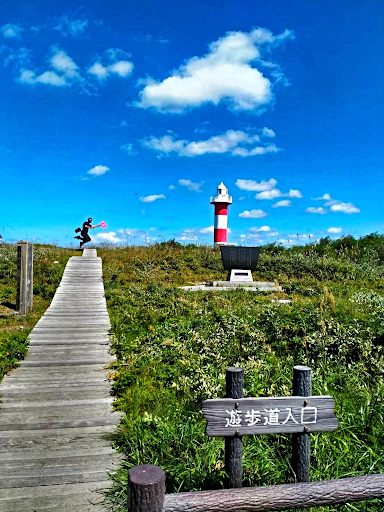
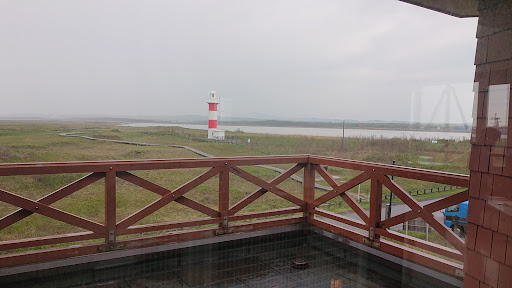
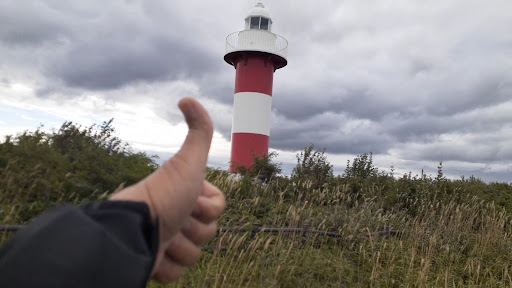
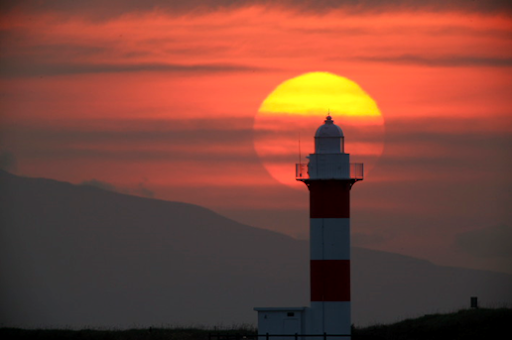
Ishikari Lighthouse things to do, attractions, restaurants, events info and trip planning
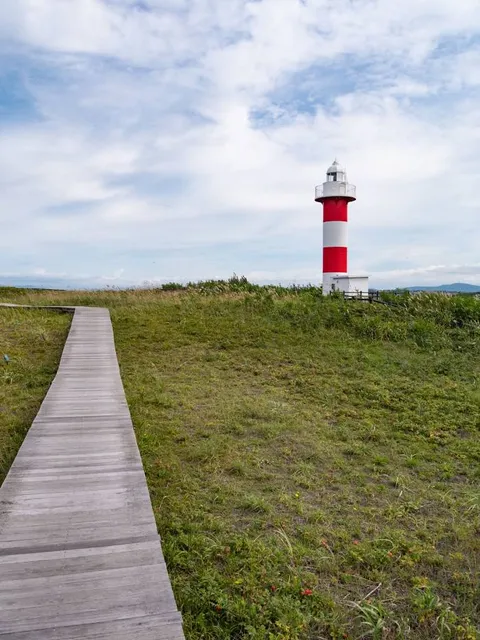
Basic Info
Ishikari Lighthouse
29 Hamamachi, Ishikari, Hokkaido 061-3371, Japan
4.0(68)
Open until 12:00 AM
Save
spot
spot
Ratings & Description
Info
Outdoor
Scenic
Cultural
attractions: Hamanasu no oka Park, restaurants: Mauni no Oka (Mauni Hill), local businesses:
 Learn more insights from Wanderboat AI.
Website
kaiho.mlit.go.jp
Open hoursSee all hours
FriOpen 24 hoursOpen
Plan your stay

Pet-friendly Hotels in Ishikari
Find a cozy hotel nearby and make it a full experience.

Affordable Hotels in Ishikari
Find a cozy hotel nearby and make it a full experience.

The Coolest Hotels You Haven't Heard Of (Yet)
Find a cozy hotel nearby and make it a full experience.

Trending Stays Worth the Hype in Ishikari
Find a cozy hotel nearby and make it a full experience.
Reviews
Live events

See Sapporos winter landscape
Fri, Jan 23 • 8:30 AM
062-0904, Hokkaido, Sapporo, Japan
View details
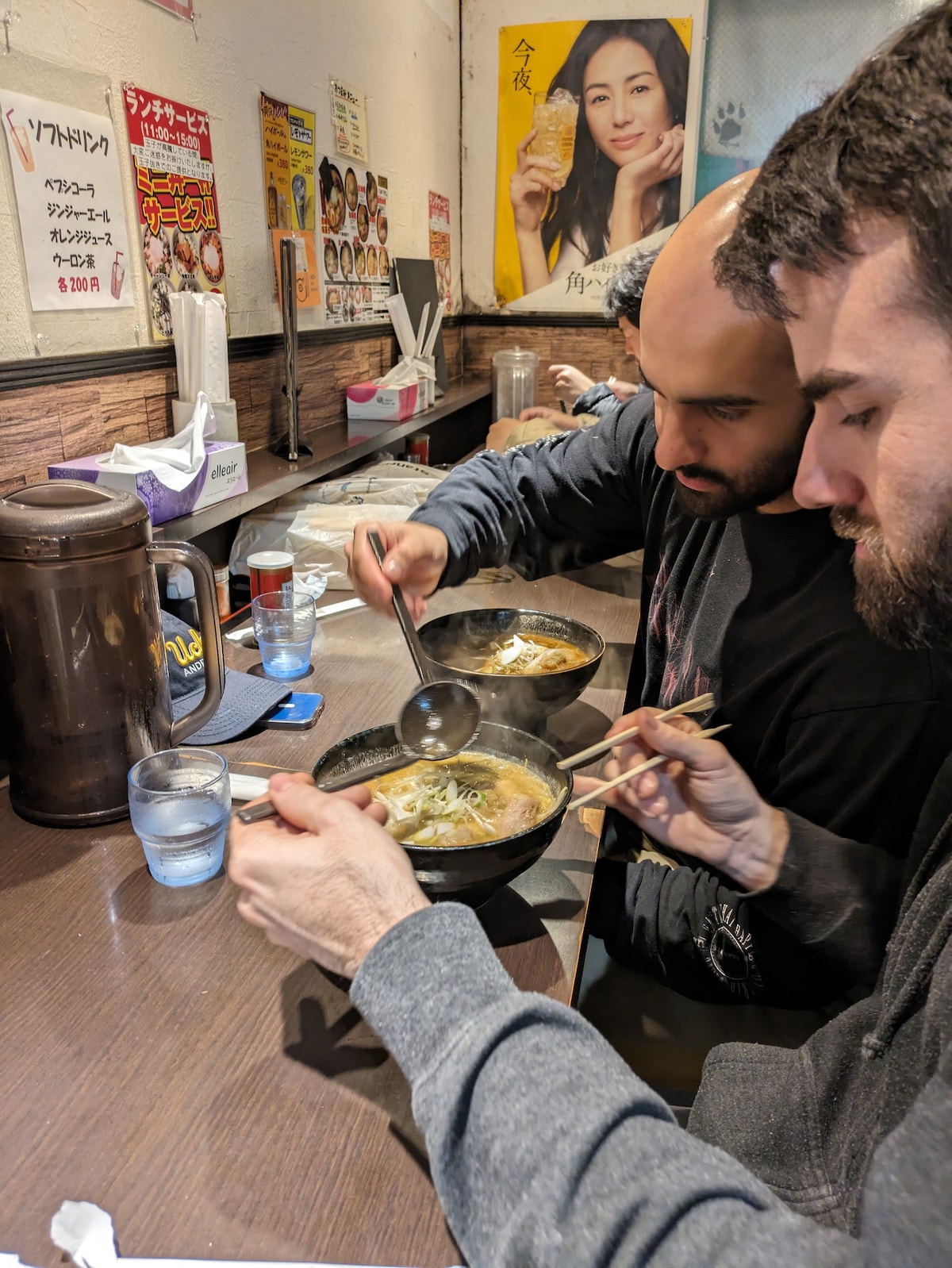
Private Izakaya Hopping in Sapporo w/ Sake Guide
Fri, Jan 23 • 5:00 PM
064-0804, Hokkaido, Sapporo, Japan
View details
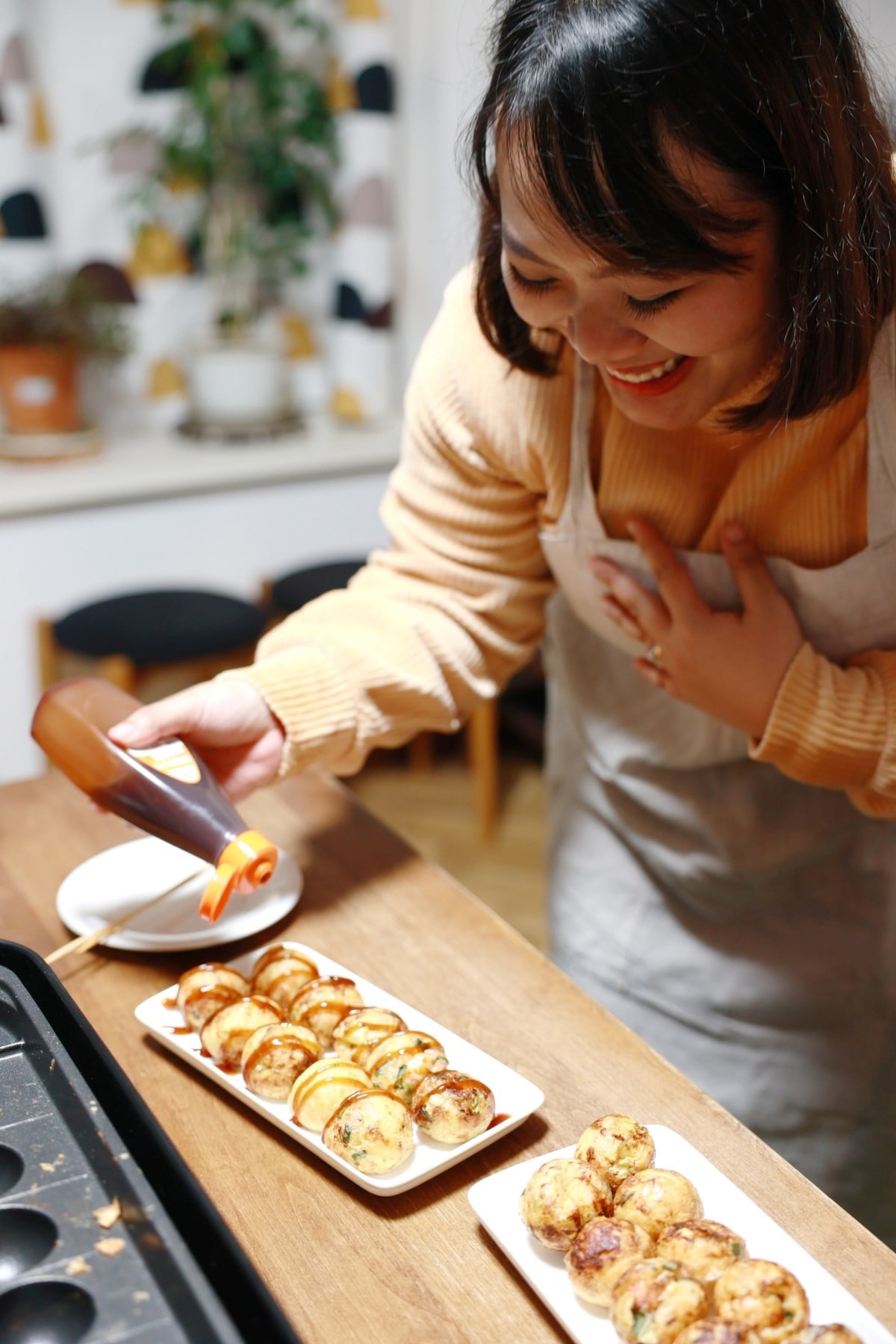
Make takoyaki at home with locals
Fri, Jan 23 • 11:00 AM
062-0051, Hokkaido, Sapporo, Japan
View details
Nearby attractions of Ishikari Lighthouse
Hamanasu no oka Park
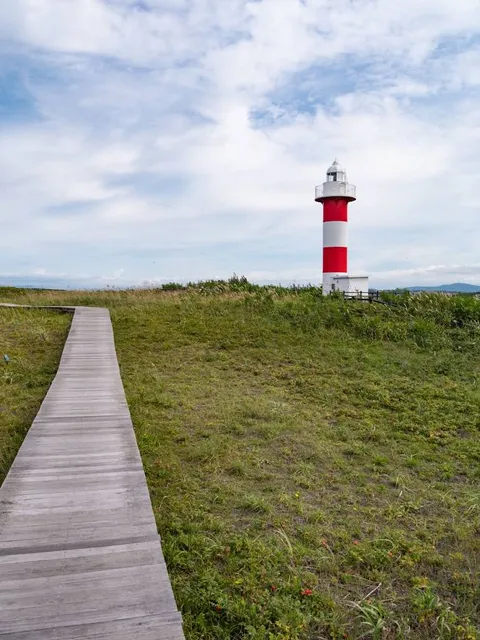
Hamanasu no oka Park
4.1
(445)
Open until 12:00 AM
Click for details
Nearby restaurants of Ishikari Lighthouse
Mauni no Oka (Mauni Hill)
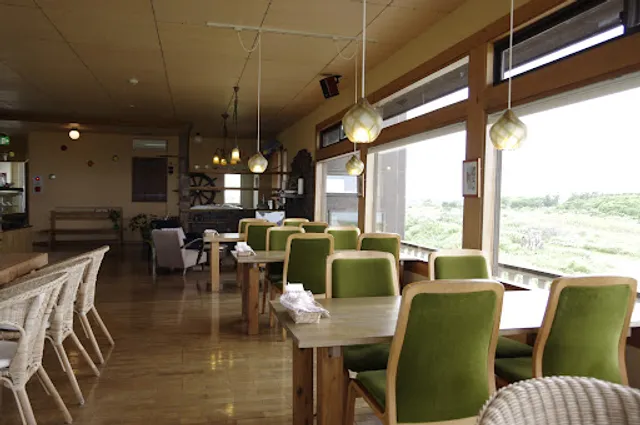
Mauni no Oka (Mauni Hill)
4.3
(125)
Open until 12:00 AM
Click for details