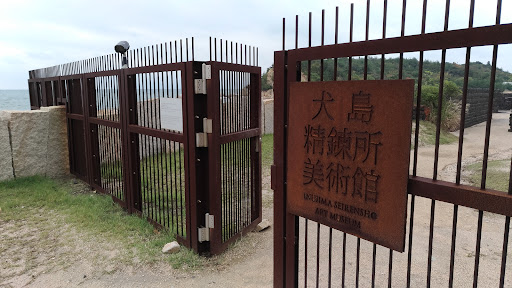
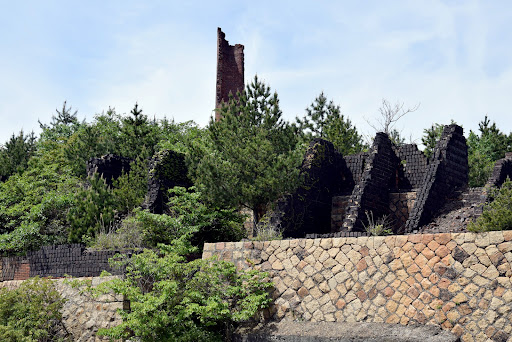
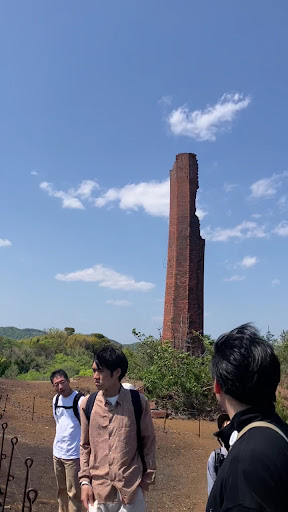
Inujima Seirensho Art Museum things to do, attractions, restaurants, events info and trip planning
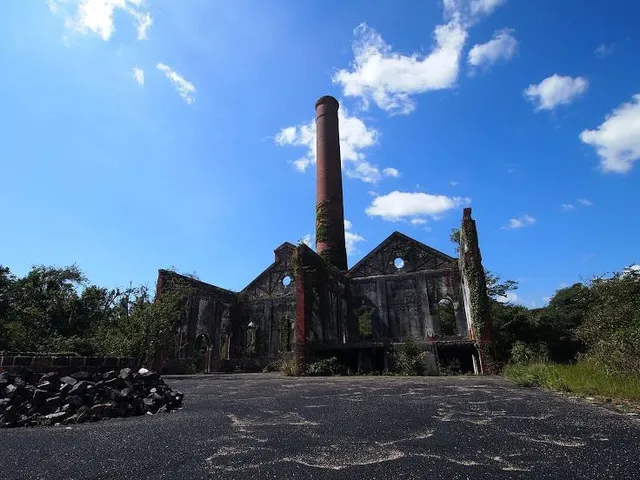
Basic Info
Inujima Seirensho Art Museum
327-4 Inujima, Higashi-ku, Okayama, 704-8153, Japan
4.6(238)
Save
spot
spot
Ratings & Description
Info
Cultural
Scenic
Off the beaten path
attractions: Art House Project (F), Inujima Swimming Beach, restaurants: Inu Islands Ticket Center cafe., Uki Cafe, local businesses: Inujima "Art House Project" A-Art House, Inujima
 Learn more insights from Wanderboat AI.
Phone
+81 86-947-1112
Website
benesse-artsite.jp
Plan your stay

Pet-friendly Hotels in Okayama
Find a cozy hotel nearby and make it a full experience.

Affordable Hotels in Okayama
Find a cozy hotel nearby and make it a full experience.

The Coolest Hotels You Haven't Heard Of (Yet)
Find a cozy hotel nearby and make it a full experience.

Trending Stays Worth the Hype in Okayama
Find a cozy hotel nearby and make it a full experience.
Reviews
Nearby attractions of Inujima Seirensho Art Museum
Art House Project (F)
Inujima Swimming Beach
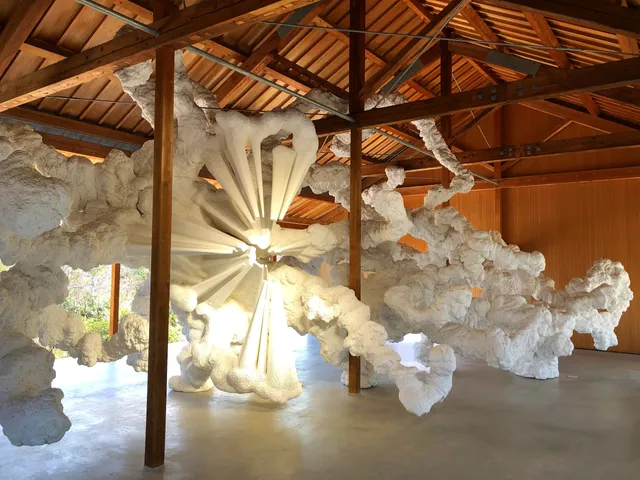
Art House Project (F)
4.1
(36)
Open 24 hours
Click for details

Inujima Swimming Beach
4.0
(28)
Open 24 hours
Click for details
Nearby restaurants of Inujima Seirensho Art Museum
Inu Islands Ticket Center cafe.
Uki Cafe
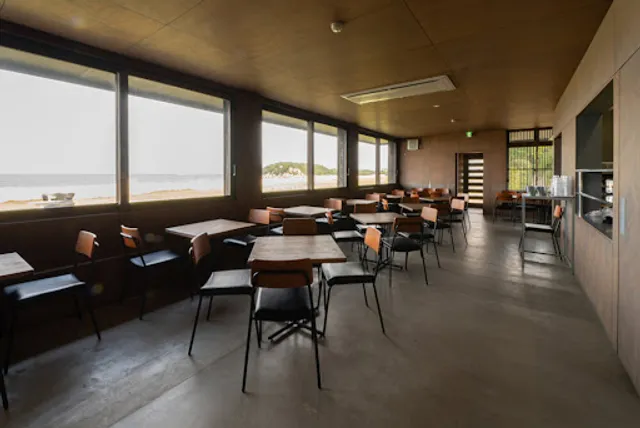
Inu Islands Ticket Center cafe.
3.9
(58)
Click for details
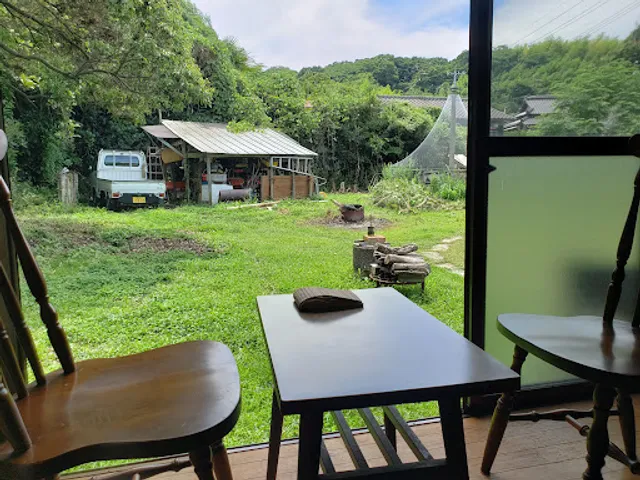
Uki Cafe
4.6
(93)
Click for details
Nearby local services of Inujima Seirensho Art Museum
Inujima "Art House Project" A-Art House
Inujima
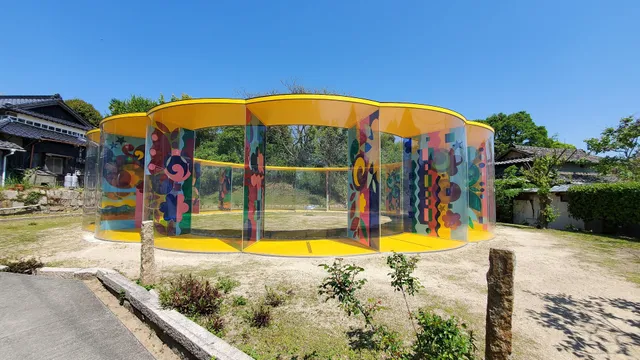
Inujima "Art House Project" A-Art House
4.1
(50)
Click for details
Inujima
4.4
(59)
Click for details