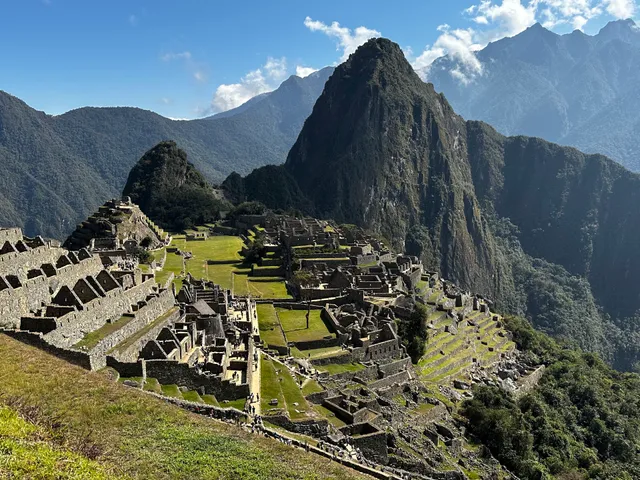
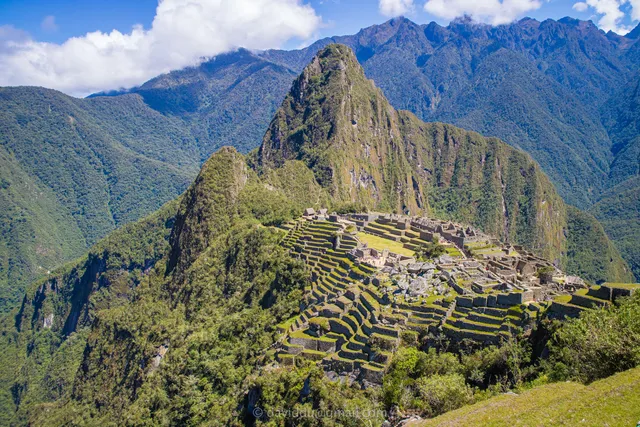
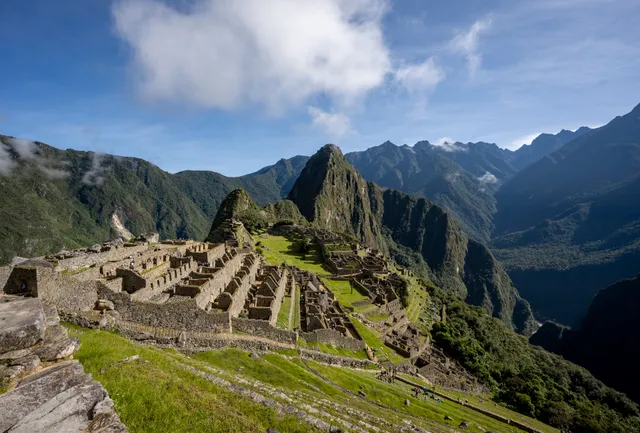
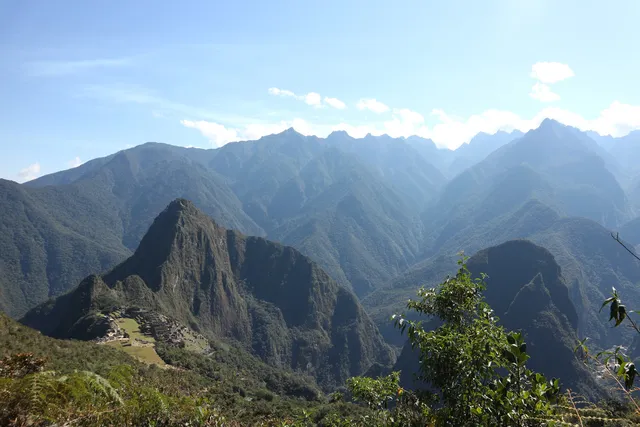
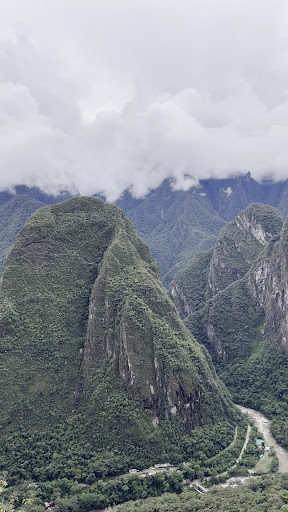
Machu Picchu, located in Aguas Calientes (also known as Machupicchu Pueblo), is a unique destination nestled in the lush mountains of southern Peru.
The town serves as the essential gateway for travelers heading to the world-renowned Machu Picchu archaeological site, which lies about six kilometers away—a distance that can be covered by a scenic 90-minute walk or a short bus ride.
The setting is dramatic, with the town built along the Vilcanota River and surrounded by steep, verdant peaks that create a striking backdrop.
Aguas Calientes itself is a small, bustling town that exists almost entirely to serve the steady flow of visitors to Machu Picchu. Its origins are tied to the construction of the railroad in the early 20th century, and it has since grown into a vibrant hub filled with hotels, hostels, and restaurants catering to a range of budgets.
The town is famous for its natural hot springs, which gave it the name "Aguas Calientes," meaning "hot waters." These baths provide a relaxing spot for travelers to unwind after trekking or exploring the ruins.
One of the most notable aspects of Aguas Calientes is its inaccessibility by road. The only ways to reach the town are by train from Cusco or Ollantaytambo, or by hiking along the Inca Trail or alternative routes. This isolation adds to the sense of adventure and exclusivity that surrounds a visit.
The main thoroughfare, Avenue Pachacutec, runs through the heart of the town, connecting the train station, bus stop, and the hot springs, making navigation straightforward even for first-time visitors.
The climate in Aguas Calientes is mild and humid, with average daily maximum temperatures hovering around 21–23°C (70–74°F) and cooler nights. Rainfall is significant, especially from November to March, so visitors should be prepared for sudden showers. The lush environment supports a rich diversity of plant and animal life, enhancing the sense of being immersed in nature.
Despite its small size, the town offers a variety of amenities and services. Accommodations range from simple hostels to comfortable hotels, many of which are within walking distance of both the train station and the bus stop to Machu Picchu.
The area is generally quiet at night, even though it is close to the central square and popular dining spots. The local staff are known for their friendliness and hospitality, and breakfast is often included in hotel stays.
Aguas Calientes is not just a stopover but a memorable part of the Machu Picchu experience, combining convenience, natural beauty, and a touch of adventure. Its unique position as the last outpost before the ancient citadel makes it an essential and atmospheric base for exploring one of the world’s most iconic...
Read moreA beautiful yet disappointing experience: Poor treatment by Security guards.
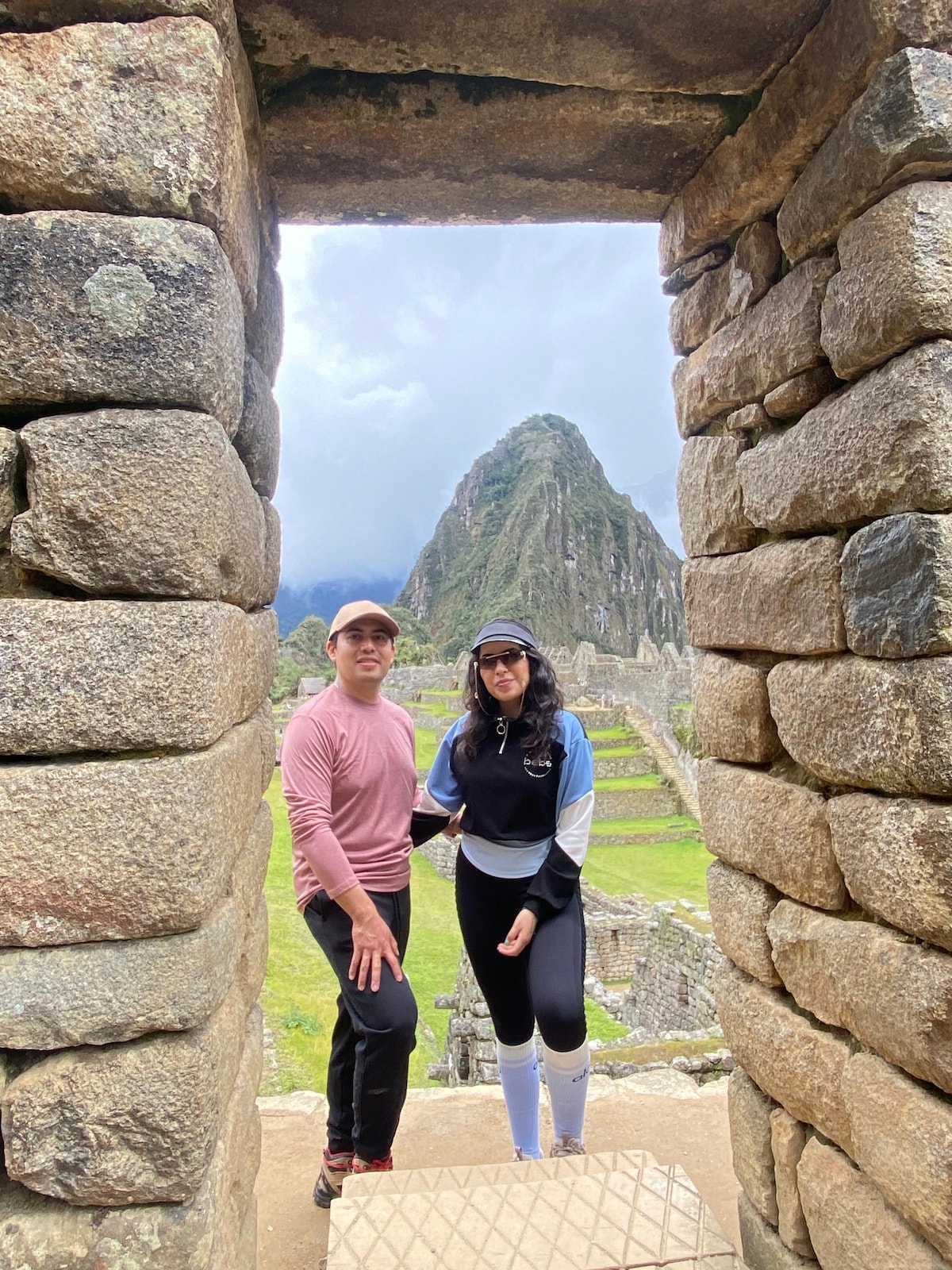
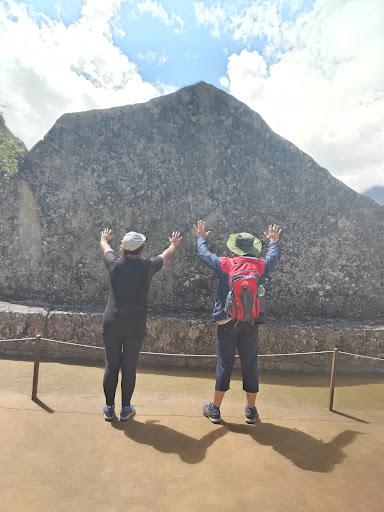
I recently visited Machu Picchu, one of the most breathtaking sites in the world. However, my experience was marred by the unacceptable behavior of the security guards. While taking a photo of my wife on a wall, I was abruptly confronted by a guard who demanded that I delete the picture. The wall, apparently sacred, had no visible signs indicating that photos were not allowed. The guard's aggressive tone and discriminatory remarks left me feeling unwelcome, scared, and disrespected. As a tourist from a different culture, I was taken aback by the guard's question, "If you're not from our culture, why are you visiting?" This attitude is not only unprofessional but also contradictory to the principles of cultural exchange and tourism. I urge the authorities to address this issue and ensure that visitors are treated with respect and dignity. Until then, I will not recommend Machu Picchu to anyone.
Una experiencia decepcionante: Los guardias de Seguridad falta de profesionalismo.
Recientemente visité Machu Picchu, uno de los sitios más impresionantes del mundo. Sin embargo, mi experiencia se vio empañada por el comportamiento inaceptable de uno de los guardias de seguridad. Mientras tomaba una foto de mi esposa en un muro, fui bruscamente confrontado por un guardia que me exigió eliminar la foto. El muro, aparentemente sagrado, no tenía ninguna indicación visible que prohibiera las fotos. El tono agresivo del guardia y sus comentarios discriminatorios me dejaron una sensación de ser indeseable, asustado y despreciado. Como turista de una cultura diferente, me sorprendió la pregunta del guardia: "Si no eres de nuestra cultura, ¿por qué visitas?" Esta actitud no solo es no profesional, sino también contradictoria con los principios de intercambio cultural y turismo. Pido a las autoridades que resuelvan este problema y garanticen que los visitantes sean tratados con respeto y dignidad. Hasta entonces, no recomendaré Machu Picchu a nadie.
Une expérience décevante: Les gardes de Sécurité manquent de professionnalisme
J'ai récemment visité Machu Picchu, l'un des sites les plus époustouflants du monde. Cependant, mon expérience a été gâchée par le comportement inacceptable des gardes de sécurité. Alors que je prenais une photo de ma femme sur un mur, j'ai été brusquement confronté à un garde qui m'a demandé de supprimer la photo. Le mur, apparemment sacré, ne portait aucune indication visible interdisant les photos. Le ton agressif du garde et ses remarques discriminatoires m'ont laissé une impression d'être indésirable, effrayé et méprisé. En tant que touriste d'une culture différente, j'ai été choqué par la question du garde : "Si vous n'êtes pas de notre culture, pourquoi visitez-vous?" Cette attitude est non seulement non professionnelle, mais également contradictoire avec les principes d'échange culturel et de tourisme. Je demande aux autorités de résoudre ce problème et de veiller à ce que les visiteurs soient traités avec respect et dignité. Jusqu'à présent, je ne recommanderai pas Machu Picchu à qui...
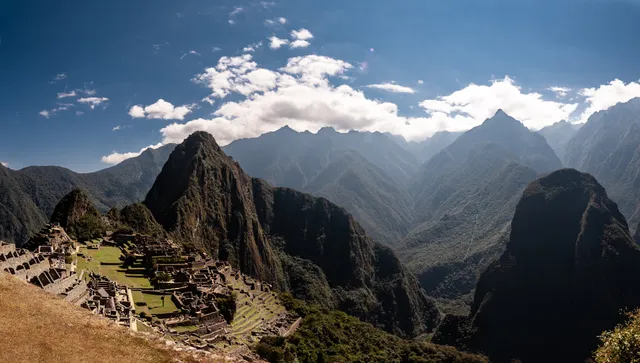
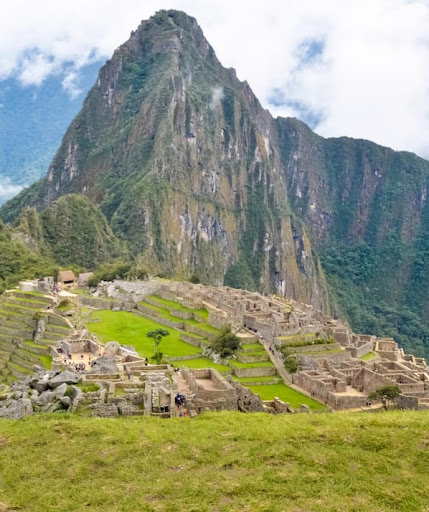
Read moreMachu Picchu is an ancient Incan city located in the Andes Mountains of Peru, often regarded as one of the most iconic archaeological sites in the world. Built in the 15th century under the reign of Emperor Pachacuti, it served as a royal estate and a religious site.
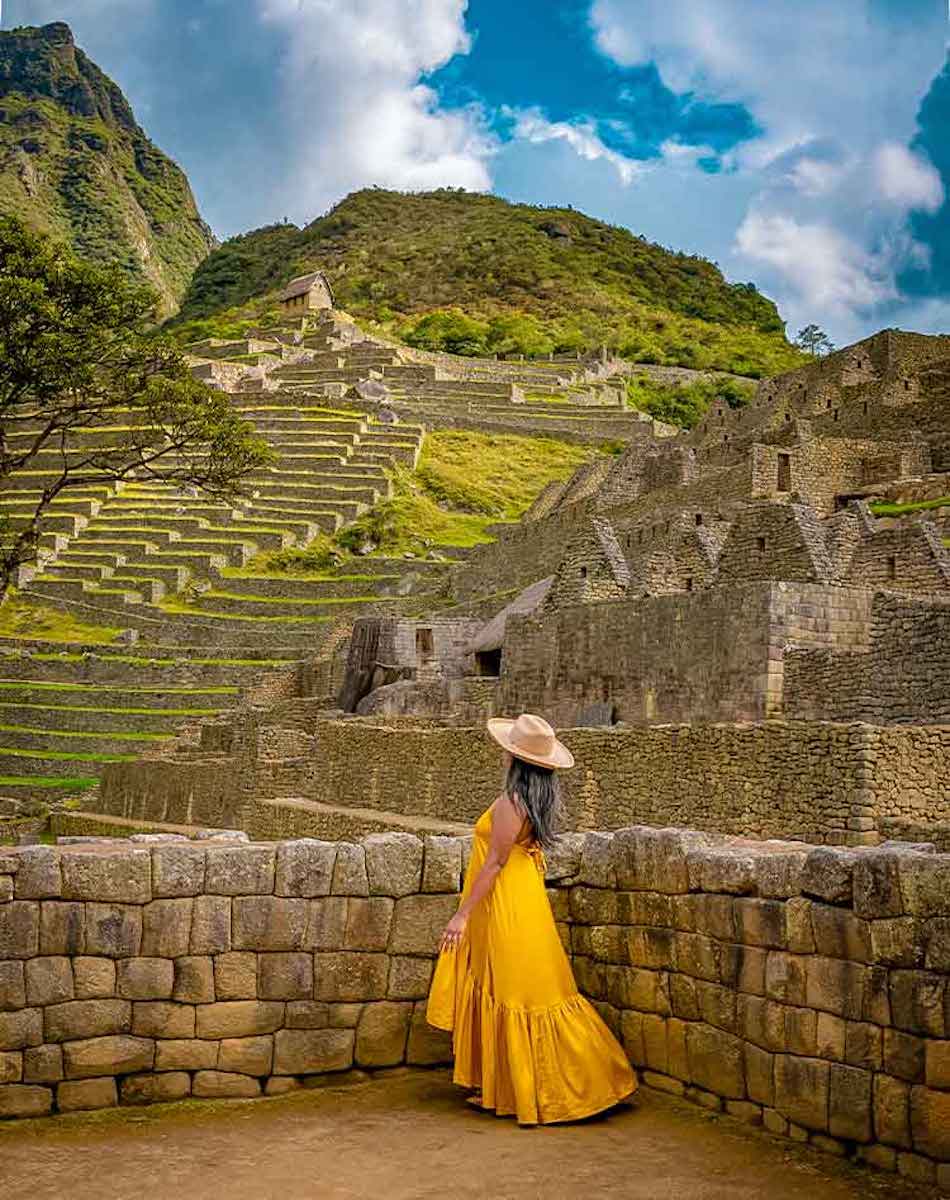
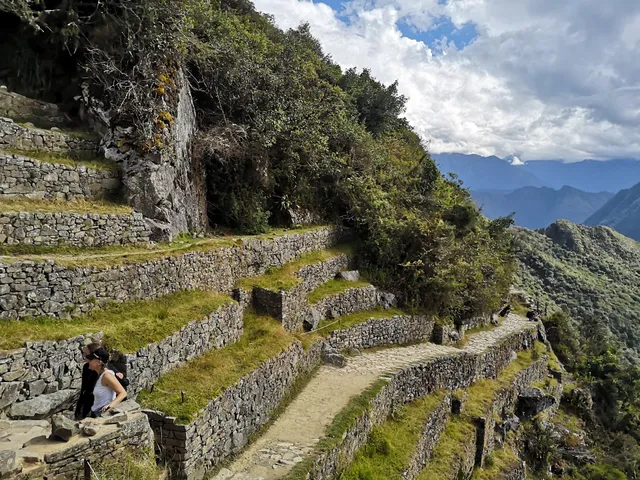
The site is famous for its sophisticated dry-stone construction, which has withstood centuries of weather and earthquakes. Key structures include the Temple of the Sun, the Intihuatana stone (a ritual stone associated with astronomy), and agricultural terraces.
Rediscovered by American explorer Hiram Bingham in 1911, Machu Picchu has since become a UNESCO World Heritage Site and a popular tourist destination, attracting visitors drawn by its stunning landscapes, rich history, and archaeological significance. Its exact purpose remains a subject of research and debate, adding to the mystery and allure of this...
Read more