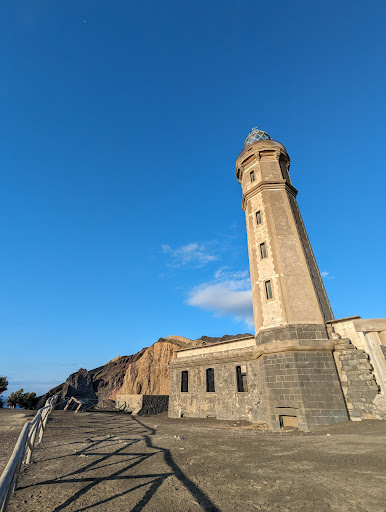
I visited Capelinhos in mid-September, and the experience was simply breathtaking. I cycled from Flamengos, which took about an hour and 15 minutes to cover the roughly 20 kilometers. The journey itself was pleasant, but the real magic began upon arrival.
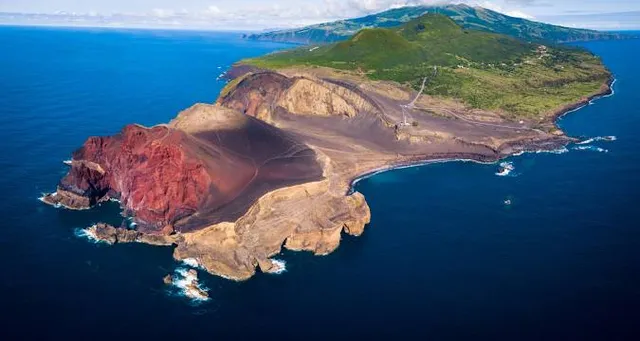
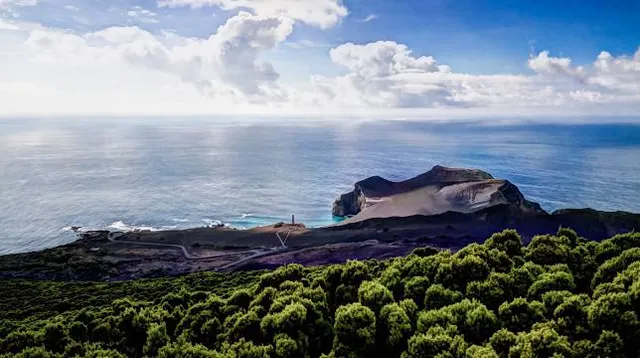
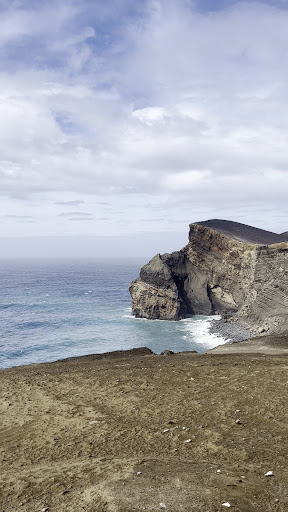
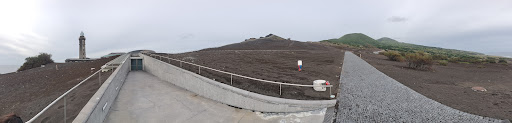
The timing of my visit was perfect as I reached just before sunset. Watching the sun go down over these majestic cliffs made the entire place feel otherworldly, almost like being on Mars. The scenery was incredibly dramatic with the black volcanic sand contrasting sharply with the green vegetation. It was windy, adding to the surreal atmosphere.
There were hardly any visitors, making the experience even more special and serene. Unfortunately, the museum was closed when I arrived, so I couldn't go inside. However, the outdoor exploration more than made up for it. I ventured down almost to the water's edge. The sand is very loose, and my feet were covered in it by the end, but it was worth it for the views and the unique experience.
For those interested in visiting, the Capelinhos Volcano Interpretation Centre has fascinating exhibits about the 1957-58 eruption that created this landscape. The museum is typically open from 10:00 AM to 6:00 PM. Tickets cost around 10 euros for adults, and there are discounts for children and seniors.
This site is a must-visit for anyone traveling to Faial. The combination of natural beauty, historical significance, and the peaceful environment...
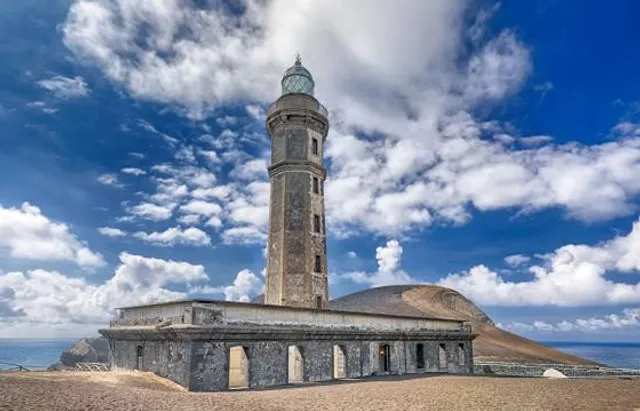
Read moreIS, E O península do Capelo, local central desta área protegida. com cerca de 264 hectares, corresponde a uma cordilheira vulcânica constituída por um alinhamento de orientação geral ONO-ESE de cerca de 20 cones. vulcânicos e escoadas lávicas basálticas associadas, que se desenvolve desde o Cabeço dos Trinta até ao Vulcão dos Capelinhos, na ponta oeste da ilha. O Vulcão dos Capelinhos, o mais ocidentat desses vulcões, esteve em atividade durante 13 meses, tendo a erupção iniciado a 27 de setembro de 1957, a cerca de um quilómetro da costa. Os primeiros sete meses foram de intenso vulcanismo explosivo, pelo que a grande quantidade de cinzas expelidas cobriu parte do farol e das casas do pequeno aldeamento que aqui existia. A exposição à forte erosão marinha e eólica neste local resulta numa paisagem verdadeiramente única, com a atual Ponta dos Capelinhos elevada a 141 metros. Nesta área nidificam aves marinhas protegidas como o cagarro (Calonectris borealis), o garajau-comum (Sterna hirundo), sendo ainda o único local de nidificação, na ilha, do garajau-rosado Sterna dougallit). O acesso ao vulcão está condicionado pela Portária n.° 67/2018, de 21 de junho. Pode observar esta área protegida ao percorrer o trilho Cabeço do Canto (PRC01FAI e merece visita o Centro de Interpretação do Vulcão dos Capelinhos, nomeado pelo Eurapean Museum Forum para para melhor museu da Europa no ano de 2012 (EMVA - European Museum of the Year Award). À cordilheira central da península do Capelo, o Vulcão dos Capetinhos e Costado da Nau constituem geossítios do Geoparque Açores - Geoparque Mundial da UNESCO. Esta área integra uma Zona de Proteção Especial (ZPE) e duas Zonas Especiais de Conservação (ZEC) no âmbito da Rede Natura 2000 e Áreas Importantes para as Aves e Biodiversidade (IBA) da organização BirdLife International. Parte da sua envolvente marinha está classificada como Área Protegida de Gestão de Recursos e a sua periferia oeste confina com o Monumento Natural do Vulcão dos Capelinhos. Em 2011, o Parque Natural do Faial foi considerado um...
Read moreClosest you’ll get to the Moon or Mars. All of about sixty year old earth which is only just beginning to show signs of basic plant life once more.
Older maps don’t show the new land mass. Look out for the various coloured volcanic rocks, the contrast with the greens of the older land, and the blues of the sea and sky, and the colony of gulls perched on one of the steeper cliffs.
The sea has succeeded in weathering almost half of the original caldera, look out for the granite lava column still standing in the sea. Be sure to visit before it all disappears back into the sea in the next...
Read more