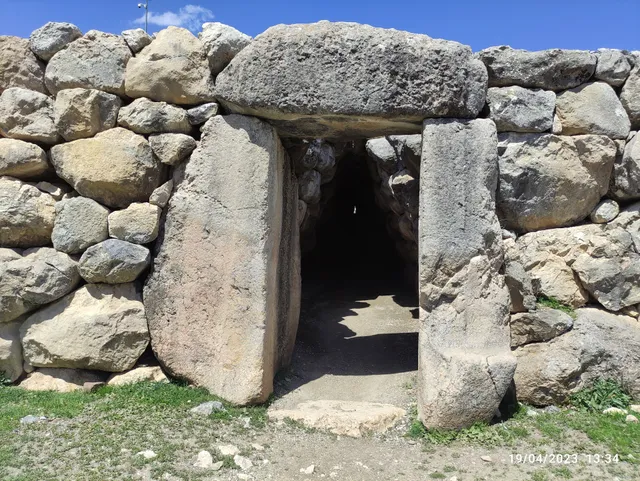
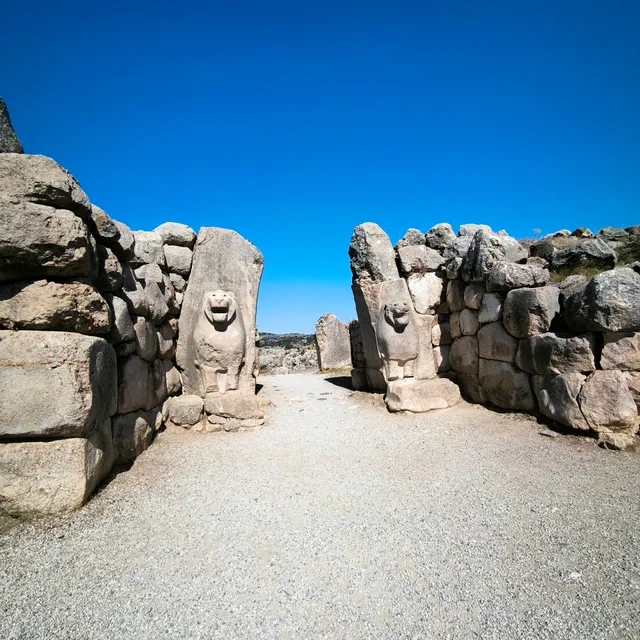
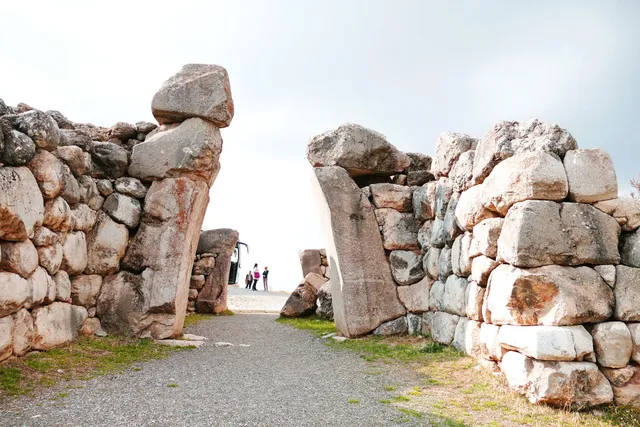
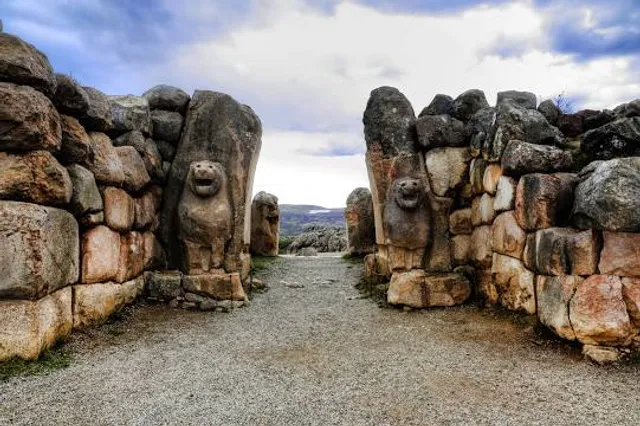
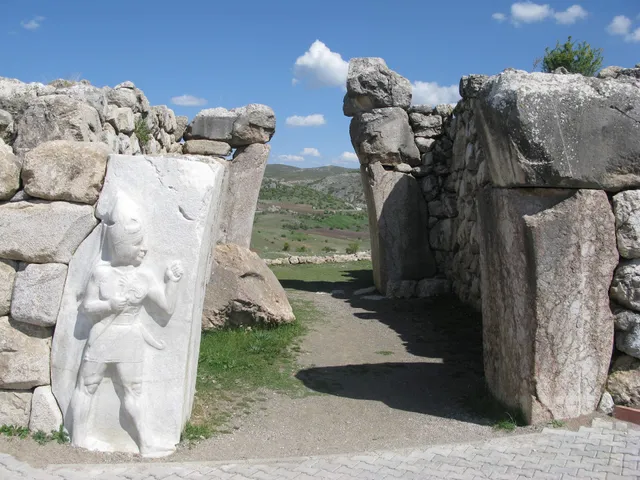
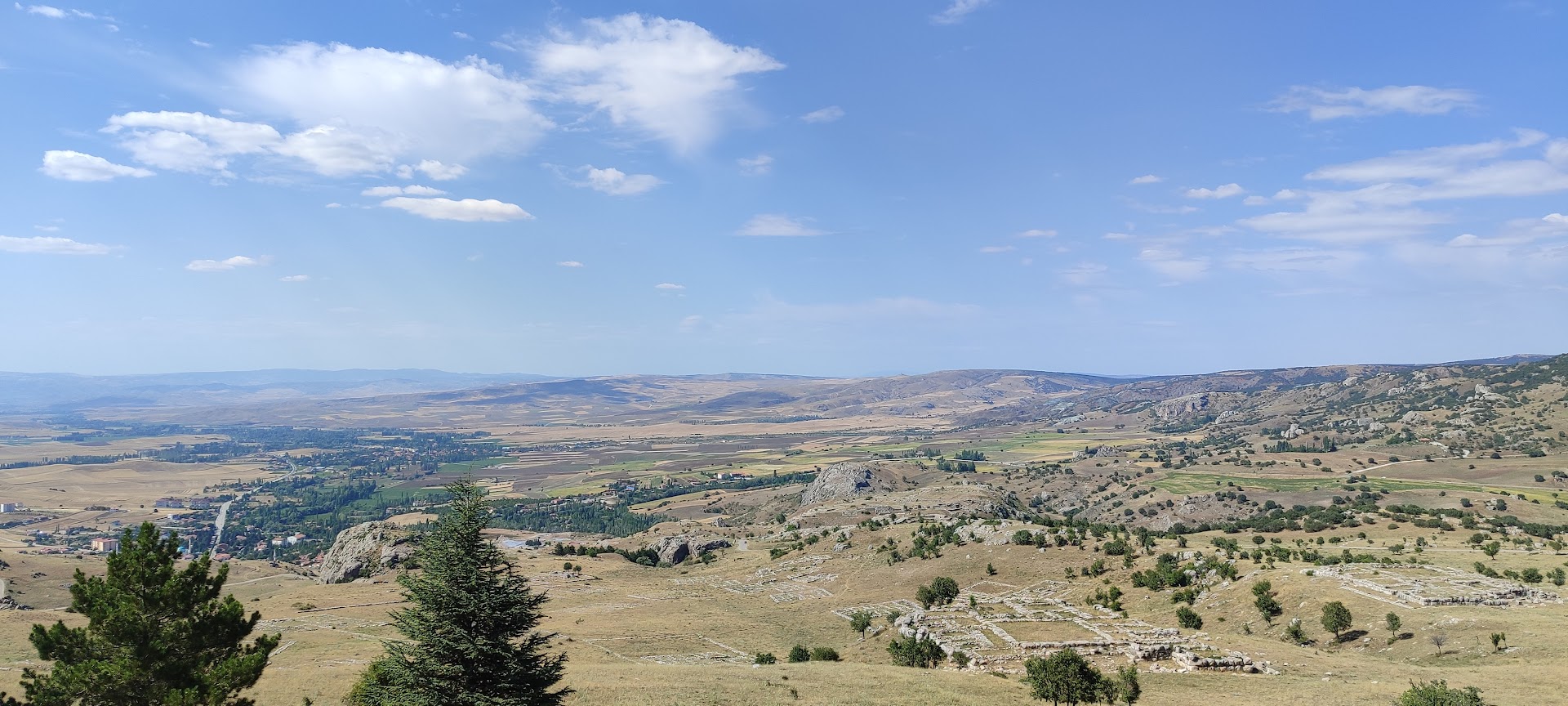
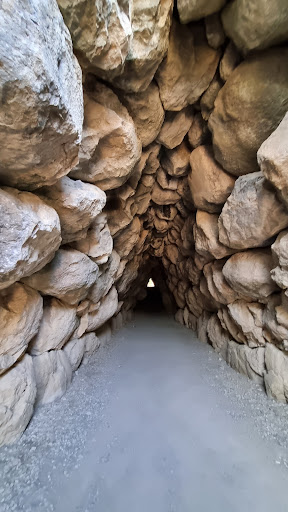
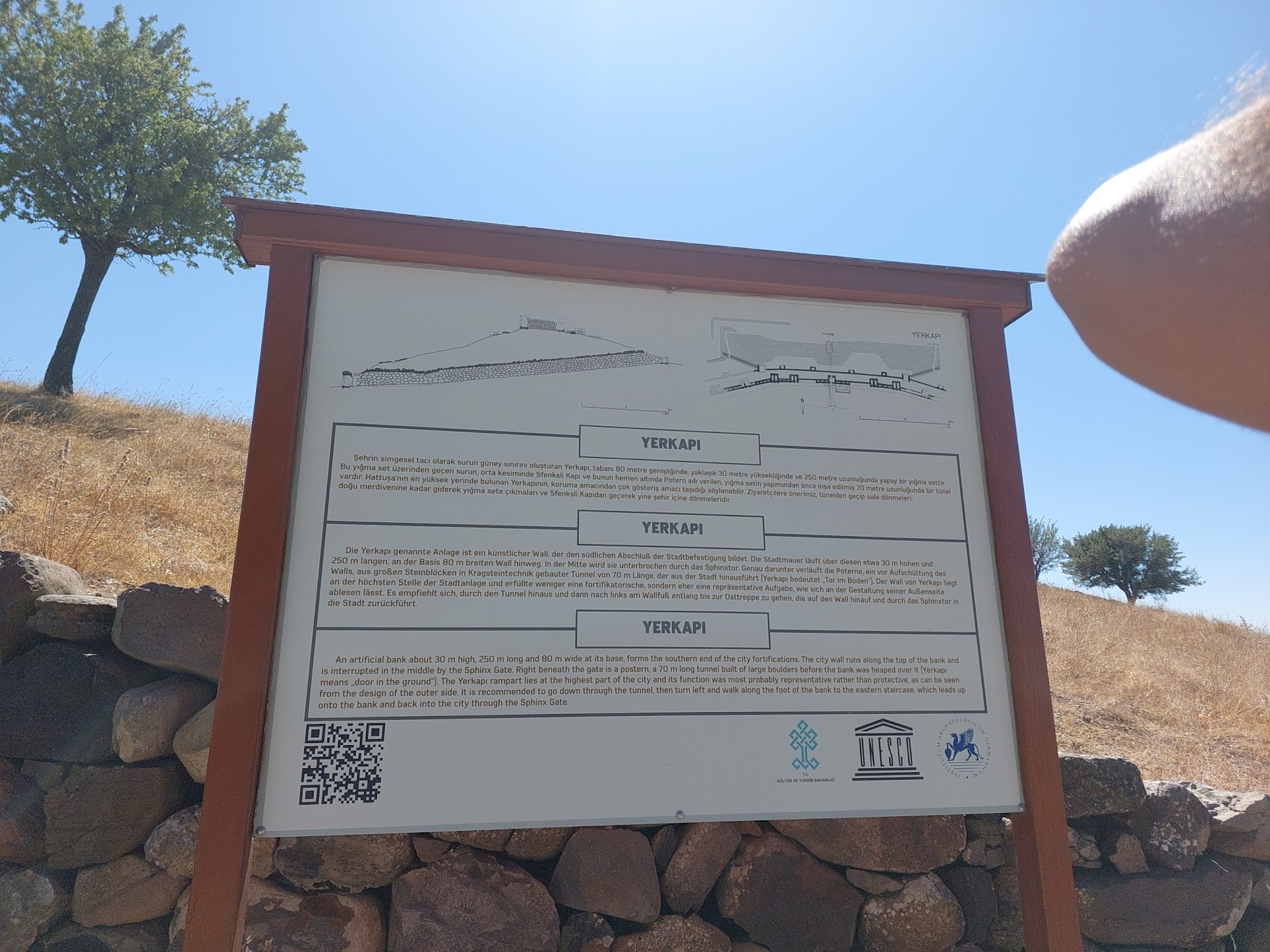
The Sphinx gate is in the middle of the act of the city well that runs over the Yerkapı artificial bank, Unlike the Le Gated Bars, this gate is not ranked by towers but lends trough towards the outer doorway had a pair of sunken doors. All four door Jatras bone representatione f phmong the cuter western stil in place although the breast and heal are laged, but the Bath one is laat. The mnar iconway wes dorned with shines that were almost three-droensional not arly the front of their bodies tonking towards the city but abe with high wings on the sides und tang song talls Having been baitty samaged by fire in ancient times they had to be domatitted for restoration in 1907 1 2011 they were kept in the Museums of staribul and Berlin. Since November 2617, 2011 bath are on dupley in the Museum ut Bajeckale Replicas are placed at thaلامارات ال caficos The Yerkapi, the south gate, has sn artificial bank about 30 m high, 250 m long and 80 m wide at its base, forms the southern end of the city fortifications. The city wall runs along the top of the bank and is interrupted in the middle by the Sphinx Gate. Right beneath the gate is a postern, a 70 m long tunnel built of large boulders before the bank was heaped over it (Yerkapı means door in the ground"). The Yerkapı rampart lies at the highest part of the city and its function was most probably representative rather than protective, as can be seen from the design of the outer side. It is recommended to go down through the tunnel, then turn left and walk along the foot of the bank to the eastern staircase, which leads up onto the bank and back into the city through the Sphinx Gate.
The outer face of the artificial Yerkapi bank was covered by a stone pavement with osat corners, thus resembling a truncated pyramid. The pavement was partially removed during later rebuilding operations. The depression in front of the western and eastern ends staircases lead up bank, Where much of the warth fill came from, increases the monumental impression. Here the difference in height is 35 m to the top of the bank. The tunnel exit was closed by a door. The interpretation ass anemy attacking the city wall is is not convincing because the door is not hidden in any way. Rather, a seem probable secret ext for soldiers trying to get behind an a ceremonial purpose or simply an easy access in...
Read moreWalking through the stony tunnel, visitors can experience what Hittite soldiers once did, emerging from the postern into the city. The monumental stairways leading up the wide stone glacis add to the grandeur of the site. Nearby, the Sphinx Gate, once guarded by four great sphinxes, offers a glimpse into the artistic and architectural prowess of the Hittites. While only one original sphinx remains in place, two others are housed in the Boğazkale Museum, and the fourth has...
Read moreBurasıyla ilgili bazı bulgularım oldu. Burası sadece Hattuşa’daki potern askeri bir geçit değil; ritüel bir rota olarak da yorumlanabilir. Eklediğim resimlerden elde edilen yorumlar bunu doğruluyor.
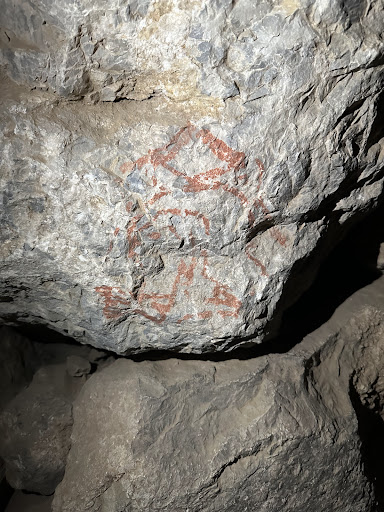
Uzun gövdeli sürüngen/ejder benzeri figür (3. fotoğraf) İnce gövde, ileri uzanan baş, iki çıkıntı (ayak/kol) ve kıvrımlı kuyruk. Hitit mitolojisinde yılan/ejder Illuyanka yeraltı ve kaosla ilişkilidir; Fırtına Tanrısı Tešup ile çarpışmasının sahneleri, “yeraltına geçiş” ve arınma temalarıyla anılır. Böyle bir figürün tünel gibi liminal (eşik) bir mekânda görünmesi tesadüf sayılmaz: kötülüğü sınırda tutan apotropaïk (uğursuzluğu defeden) bir işaret olarak okunabilir. Üstte üçgen-tepeli/miğferli antropomorf ve içte kıvrımlı işaret (1-2. fotoğraflar) Üstte sivri başlık, altta gövdeyi çağrıştıran kütle ve sağ yanda “S” biçimli kıvrım var. Bu, başlıklı bir kutsal/koruyucu figürün (rahip, kral ya da savaşçı tanrısal temsil) yanında yılanimsi bir unsurla birlikte verildiğini düşündürüyor: “koruyucu varlık + kontrol altındaki yılan/yeraltı gücü” kompozisyonu. İnsanimsi, kolları açık/yanlara taşan şematik figür (4. fotoğraf) Altta üçgenimsi etek/gövde, üstte genişleyen omuz/kol hareketi… Orans (dua eden) duruş veya savaşçı/koruyucu betimi. Tünel giriş-çıkışlarında bu tür “kolları açık” figürler geçişi kutsama/izin verme anlamı taşır.
Bence bu tünel kesinlikle kapatılmalı ve insan müdahalesine...
Read more