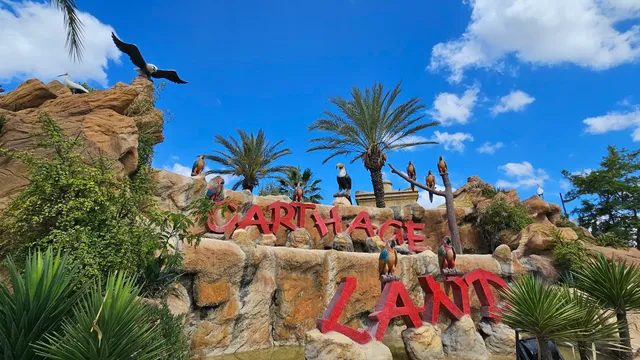

🏛️ Carthage: A Timeless Jewel of North Africa’s Ancient Splendor 🌅
Nestled along the sun-kissed shores of the Mediterranean, Carthage stands as a monument to the ingenuity and ambition of the ancient world.🌅 ✨Once the proud heartland of the Phoenician civilization, this city flourished for centuries as a beacon of commerce, culture, and maritime power before succumbing to Roman conquest in the 2nd century BCE. 💧 From Phoenician Roots to Mediterranean Dominion: Founded in the 9th century BCE, Carthage rapidly evolved into a thriving trade hub, its strategic location enabling it to control vital sea routes between the East and West. 🏗️ 🏗️Its merchants sailed as far as Britain and West Africa, exchanging silver, ivory, and spices for precious metals and textiles. The city’s wealth was legendary—its granaries overflowed, its docks buzzed with activity, and its citizens enjoyed luxuries rivaling those of Rome or Athens.🐬 🏗️ Architectural Marvels: Carthage’s grandeur is etched into its ruins: 🐬✨the circular military harbor (Cothon), designed with military precision; the Byrsa Hill citadel, offering panoramic views of the sea; and the tophets, sacred sites where offerings to gods like Baal Hammon and Tanit were made. These remnants whisper tales of a society that blended pragmatism with mysticism, innovation with tradition. 🌴 A Legacy That Endures: Though destroyed by Rome in the Punic Wars, Carthage’s spirit lived on. Its agricultural expertise enriched North Africa, earning it the nickname “Breadbasket of the Empire,” while its intellectual influence shaped Roman philosophy and law. 🐬✨ Today, visitors wander its archaeological parks, tracing the footsteps of Hannibal and Dido, and marveling at a civilization that once rivaled the greatest of antiquity.✨ #CarthageEternal #AncientRiches #MediterraneanSaga