
🇩🇪 Bonn: The “Small but Beautiful” Former Capital of West Germany
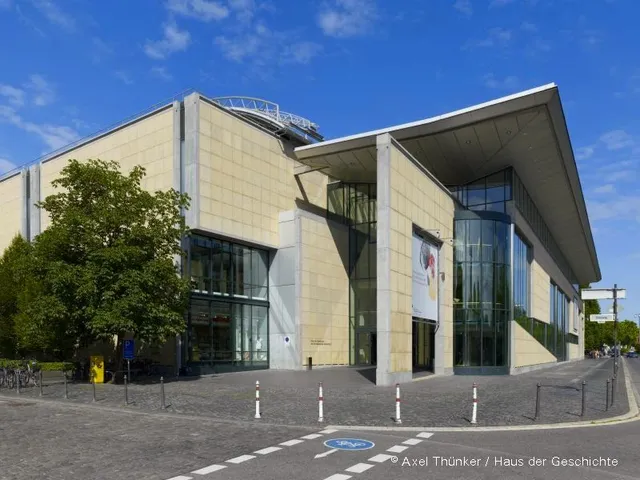
📍 My Day in Bonn · Lea’s Germany Diary I landed at Frankfurt Airport and originally planned to go straight to Düsseldorf, but I decided to explore a city in between instead. I chose Bonn because, as a history lover, I was curious: How did this small city of just 340,000 people become the capital of West Germany? In fact, by population, Bonn only ranks 9th in North Rhine-Westphalia! 🍃 First Impressions I was instantly amazed by Bonn’s rich history and vibrant modern energy! 🎵 As the hometown of Beethoven, the city is filled with music and art—you’ll find his iconic gold statues everywhere. The Beethoven-Haus is located right near the Old Town’s Münsterplatz. ☕️ Müller Langhardt – A Century-Old Café Established in 1913, this historic café was destroyed in 1944 and rebuilt in 1951. It still retains its retro, elegant charm. As soon as I walked in, I was drawn to the dazzling cake display under the counter 🍰. Most customers were clearly locals. The menu was artistic too—I ordered the “Beethovens Erstes” breakfast (inspired by his first piano sonata). It was a rich and satisfying first meal in Germany! After breakfast, I strolled through Marktplatz. The cobblestone square is surrounded by classical buildings, food stalls, and a temporary stage. By afternoon, live music filled the air—pure relaxation! 🎓 Campus Life & Summer Festivities In the afternoon, I wandered to the University of Bonn. Its main building was once a palace! 🏛️ Coincidentally, it was graduation season. The lawn was filled with tents, and joyful students were taking photos with their families and friends. Nearby, a summer carnival was in full swing with laughter and fun rides—I really wanted to join the fun! 😄 🏛️ Must-Visit: Haus der Geschichte The next morning, I visited Haus der Geschichte, Bonn’s most popular museum. In the basement stands Konrad Adenauer’s official car, the Mercedes 300—a symbol of West German engineering that even traveled to Moscow in 1955. Unfortunately, part of the museum was under renovation, so only some exhibits were open. This time, the focus was on Germany’s reflection on WWII. I missed the interactive exhibits, but it was still a meaningful experience. After exploring Bonn, I finally understood why it became the capital: a small but beautiful historic city on the Rhine, located in the heart of West Germany’s industrial region with well-preserved infrastructure post-war, and close to Adenauer’s hometown Cologne. From day one, the government was ready to move the capital back to Berlin when possible. Reflecting on this, I truly admire the pragmatic, humble, and resilient spirit of the German people—they not only rebuilt their nation but also created an economic miracle in the 1960s. 👏 #LifeInGermany #GermanHistory #Bonn #TravelEurope