House of the History of the Federal Republic of Germany things to do, attractions, restaurants, events info and trip planning
Basic Info
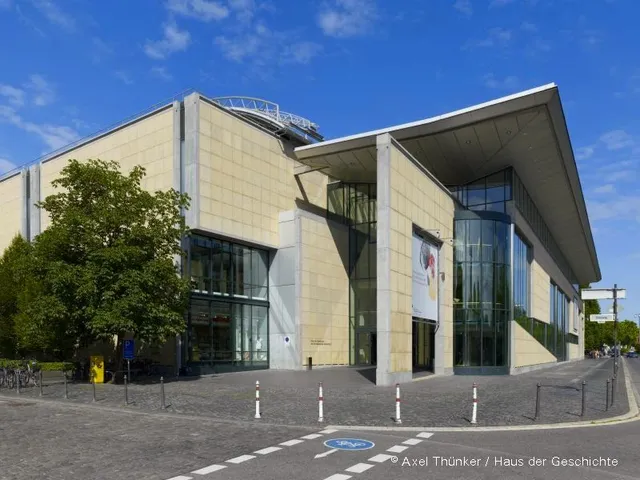
House of the History of the Federal Republic of Germany
Willy-Brandt-Allee 14, 53113 Bonn, Germany
4.7(5.4K)
Closed
Save
spot
spot
Ratings & Description
Info
Haus der Geschichte is a museum of contemporary history in Bonn, Germany. With around one million visitors every year, it is one of the most popular German museums.
Cultural
Accessibility
attractions: Kunst- und Ausstellungshalle der Bundesrepublik Deutschland, Art museum, Bundeshaus (Federal Building), Museum Koenig, Palais Schaumburg, restaurants: Cafe im Haus der Geschichte, Restaurant Leander, Konrad’s, Café im Kunstmuseum, L'Osteria Bonn Joseph-Beuys-Allee, Gustav Restaurant in der KAH, Remise Bonn, Markusschänke, Forissimo Ristorante Italiano, St.Ribs in Bonn - Restaurant & Bar, local businesses: Chancellor's Bungalow, CallaJet.de, Posttower, Teehaus
 Learn more insights from Wanderboat AI.
Phone
+49 228 91650
Website
hdg.de
Open hoursSee all hours
Wed9 AM - 6 PMClosed
Plan your stay

Pet-friendly Hotels in Bonn
Find a cozy hotel nearby and make it a full experience.

Affordable Hotels in Bonn
Find a cozy hotel nearby and make it a full experience.

The Coolest Hotels You Haven't Heard Of (Yet)
Find a cozy hotel nearby and make it a full experience.

Trending Stays Worth the Hype in Bonn
Find a cozy hotel nearby and make it a full experience.
Reviews
Live events
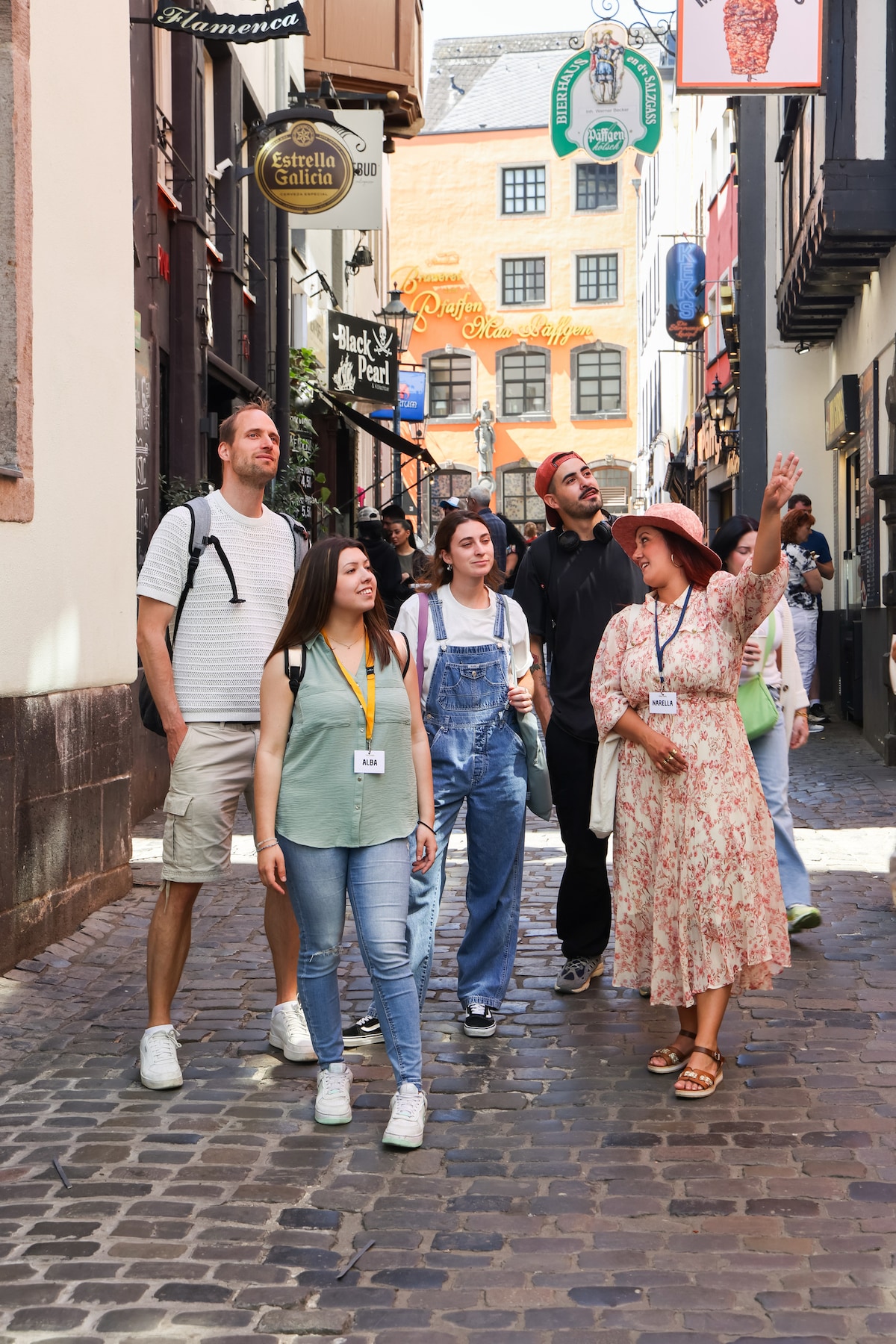
Funky-Fun Tour of Cologne
Thu, Jan 29 • 10:00 AM
50667, Cologne, Germany
View details

Kölsch and Brewery Tour
Thu, Jan 29 • 4:00 PM
50668, Cologne, Germany
View details

Candlelight: Coldplay meets Imagine Dragons
Sun, Feb 1 • 6:30 PM
Bonngasse 22-24, Bonn, 53111
View details
Nearby attractions of House of the History of the Federal Republic of Germany
Kunst- und Ausstellungshalle der Bundesrepublik Deutschland
Art museum
Bundeshaus (Federal Building)
Museum Koenig
Palais Schaumburg
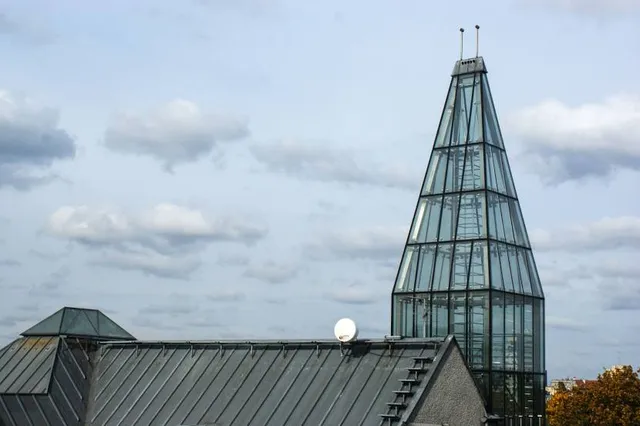
Kunst- und Ausstellungshalle der Bundesrepublik Deutschland
4.5
(1.5K)
Closed
Click for details
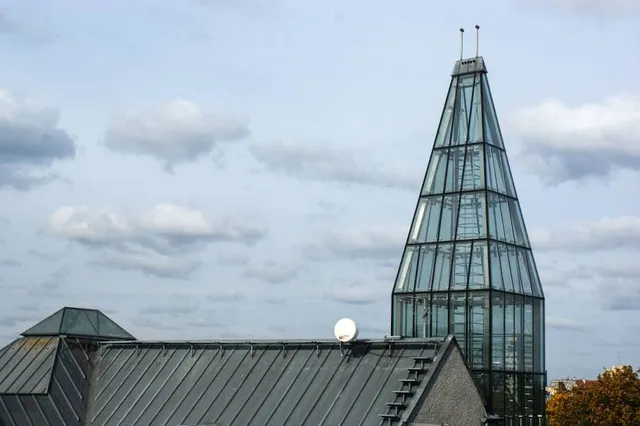
Art museum
4.5
(996)
Closed
Click for details

Bundeshaus (Federal Building)
4.5
(96)
Open 24 hours
Click for details
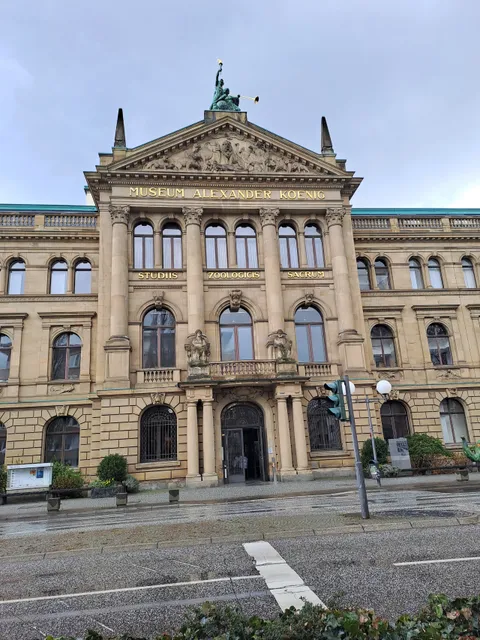
Museum Koenig
4.7
(2K)
Closed
Click for details
Nearby restaurants of House of the History of the Federal Republic of Germany
Cafe im Haus der Geschichte
Restaurant Leander
Konrad’s
Café im Kunstmuseum
L'Osteria Bonn Joseph-Beuys-Allee
Gustav Restaurant in der KAH
Remise Bonn
Markusschänke
Forissimo Ristorante Italiano
St.Ribs in Bonn - Restaurant & Bar
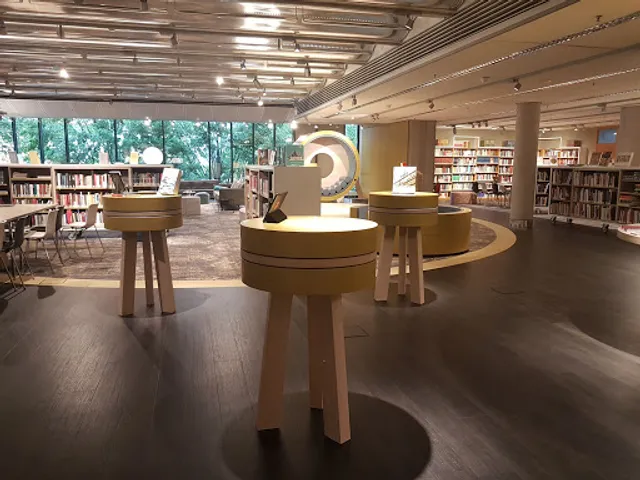
Cafe im Haus der Geschichte
2.5
(51)
Closed
Click for details
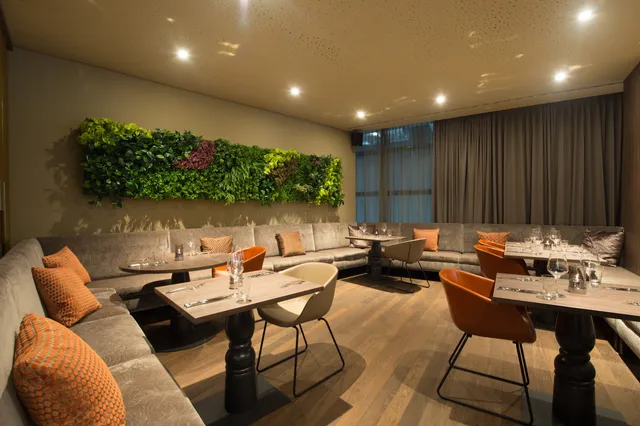
Restaurant Leander
4.5
(154)
Open until 12:00 AM
Click for details
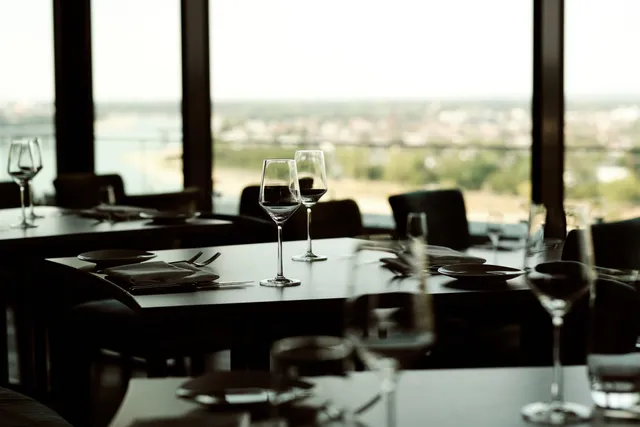
Konrad’s
4.4
(291)
Open until 12:00 AM
Click for details
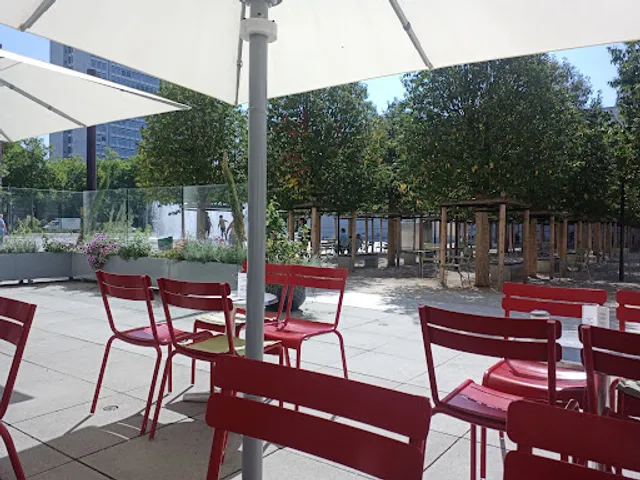
Café im Kunstmuseum
4.0
(181)
Closed
Click for details
Nearby local services of House of the History of the Federal Republic of Germany
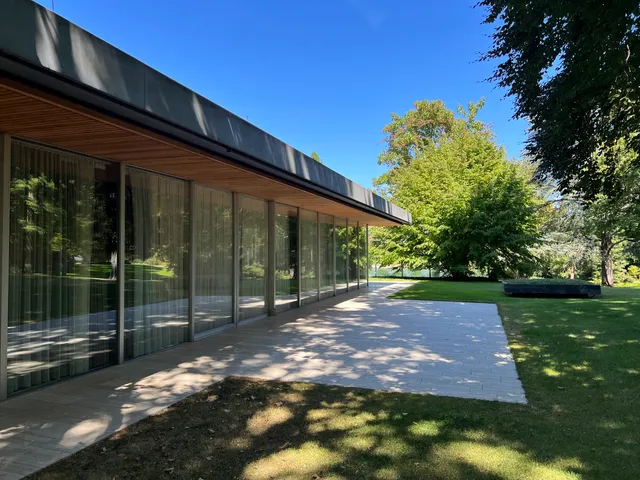
Chancellor's Bungalow
CallaJet.de
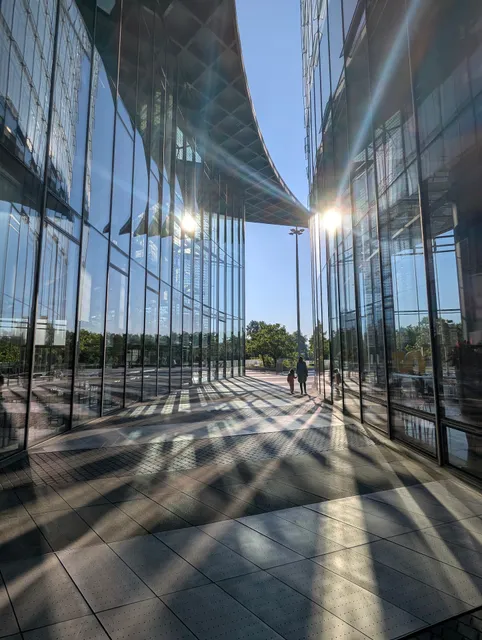
Posttower
Teehaus
Chancellor's Bungalow
4.0
(34)
Click for details

CallaJet.de
4.8
(18)
Click for details
Posttower
4.0
(34)
Click for details

Teehaus
5.0
(9)
Click for details