
HTML SitemapExplore
logo
Find Things to DoFind The Best Restaurants

đŸ‡Ș🇾 Palace of Alhaferia, Zaragoza, Spain

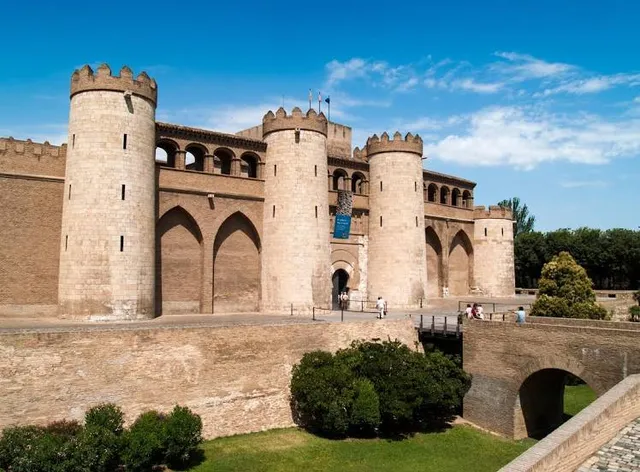
🏰 The AljaferĂ­a Palace: A Millennial Tapestry of Spanish Civilization The AljaferĂ­a Palace (Spanish: Palacio de la AljaferĂ­a; Arabic: Ù‚Ű”Ű± Ű§Ù„ŰŹŰčÙŰ±ÙŠŰ©â€Ž) is no ordinary historic building. Standing in Zaragoza, it is not only a core member of Spain’s World Heritage Site “MudĂ©jar Architecture of Aragon” but also a three-dimensional history book, chronicling the collision and fusion of Islamic and Christian civilizations on the Iberian Peninsula. 🔍 From Islamic Palace to Royal Residence: A Thousand Years of Changing Fortunes The story of the AljaferĂ­a begins in the 11th century, built by the Taifa Muslim kingdom of Zaragoza as a symbol of Islamic royal power. Back then, the palace was adorned with the elegance of Andalusian civilization: horseshoe arches, geometric-patterned tiles, and fountains flowing in courtyards, all showcasing the refinement of Islamic architecture. 1118: With Alfonso I’s recapture of Zaragoza during the Reconquista (Christian reconquest), the palace’s fate took a pivotal turn. It transformed from an Islamic royal palace to a royal estate of the Kingdom of Aragon, marking the start of cultural integration. During the reign of Peter IV: The palace became an official royal residence. Craftsmen began modifying the structure, adding Catholic emblems to Islamic masonry and converting mosque prayer rooms into chapels. This blend of styles—Islamic foundations with Christian additions—gave birth to the unique MudĂ©jar style. Renaissance period: Practicality was emphasized, with walls and military fortifications added around the palace, turning it from a “royal residence” into a “strategic fortress.” It also endured hardships: During the Peninsular War, Napoleon’s forces severely damaged the palace, destroying many of its intricate decorations. ✹ Why It’s Irreplaceable Today, though not fully intact, the AljaferĂ­a still lets visitors feel the weight of history: Wander through its halls, and you’ll see Islamic carved wooden doors alongside Catholic stained glass. This “harmonious mix” is the best reflection of Spain’s multicultural identity. As part of the “MudĂ©jar Architecture of Aragon” heritage, it proves that different civilizations don’t just clash—they can also (give birth to) unique art in their collision. If you’re visiting Zaragoza, the AljaferĂ­a Palace is a must-see. It’s more than a palace; it’s a living relic of Spain’s journey—from Islamic rule to Christian kingdoms, and into the modern nation. #ZaragozaTravel #SpanishHeritage #Architecture
Related posts
đŸ”„ No.1 Tapas (temporary)đŸ‡Ș🇾 Zaragoza | Nights in AragĂłnđŸ‡Ș🇾 Spain Travel | One Day in Zaragoza (Spain's 5th Largest City!)🍣 Sushi in Zaragoza: A Chain by Two Leoneses—Total Surprise!SegoviađŸ‡Ș🇾 Restaurant recommendation El SitiođŸ‡Ș🇾 Madrid & Zaragoza Foodie Chronicles ✹
Ainsley Justice
Ainsley Justice
4 months ago
Ainsley Justice
Ainsley Justice
4 months ago
no-comment

No one has commented yet...

đŸ‡Ș🇾 Palace of Alhaferia, Zaragoza, Spain

🏰 The AljaferĂ­a Palace: A Millennial Tapestry of Spanish Civilization The AljaferĂ­a Palace (Spanish: Palacio de la AljaferĂ­a; Arabic: Ù‚Ű”Ű± Ű§Ù„ŰŹŰčÙŰ±ÙŠŰ©â€Ž) is no ordinary historic building. Standing in Zaragoza, it is not only a core member of Spain’s World Heritage Site “MudĂ©jar Architecture of Aragon” but also a three-dimensional history book, chronicling the collision and fusion of Islamic and Christian civilizations on the Iberian Peninsula. 🔍 From Islamic Palace to Royal Residence: A Thousand Years of Changing Fortunes The story of the AljaferĂ­a begins in the 11th century, built by the Taifa Muslim kingdom of Zaragoza as a symbol of Islamic royal power. Back then, the palace was adorned with the elegance of Andalusian civilization: horseshoe arches, geometric-patterned tiles, and fountains flowing in courtyards, all showcasing the refinement of Islamic architecture. 1118: With Alfonso I’s recapture of Zaragoza during the Reconquista (Christian reconquest), the palace’s fate took a pivotal turn. It transformed from an Islamic royal palace to a royal estate of the Kingdom of Aragon, marking the start of cultural integration. During the reign of Peter IV: The palace became an official royal residence. Craftsmen began modifying the structure, adding Catholic emblems to Islamic masonry and converting mosque prayer rooms into chapels. This blend of styles—Islamic foundations with Christian additions—gave birth to the unique MudĂ©jar style. Renaissance period: Practicality was emphasized, with walls and military fortifications added around the palace, turning it from a “royal residence” into a “strategic fortress.” It also endured hardships: During the Peninsular War, Napoleon’s forces severely damaged the palace, destroying many of its intricate decorations. ✹ Why It’s Irreplaceable Today, though not fully intact, the AljaferĂ­a still lets visitors feel the weight of history: Wander through its halls, and you’ll see Islamic carved wooden doors alongside Catholic stained glass. This “harmonious mix” is the best reflection of Spain’s multicultural identity. As part of the “MudĂ©jar Architecture of Aragon” heritage, it proves that different civilizations don’t just clash—they can also (give birth to) unique art in their collision. If you’re visiting Zaragoza, the AljaferĂ­a Palace is a must-see. It’s more than a palace; it’s a living relic of Spain’s journey—from Islamic rule to Christian kingdoms, and into the modern nation. #ZaragozaTravel #SpanishHeritage #Architecture

Zaragoza
AljaferĂ­a Palace
AljaferĂ­a PalaceAljaferĂ­a Palace