
HTML SitemapExplore

đŸ‡Ș🇾 Zaragoza | Explore the epitome of an ancient Roman city

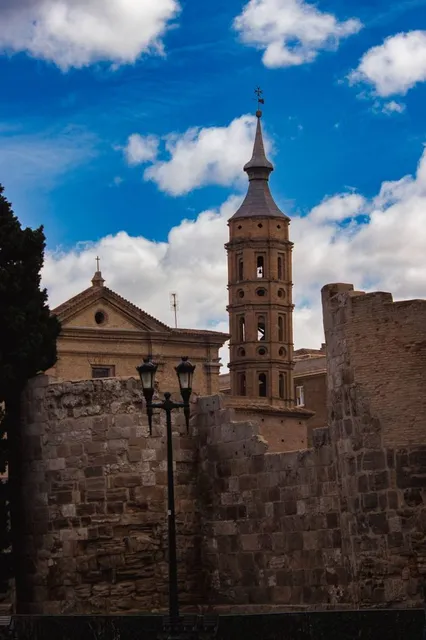
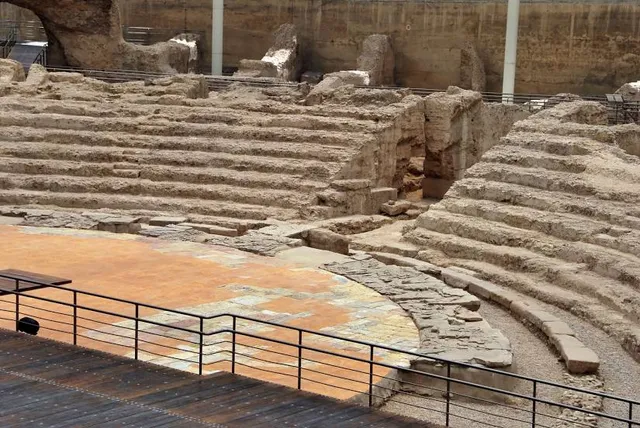
đŸ›ïž Zaragoza: Where Ancient Rome Lives On—Caesaraugusta’s Hidden Treasures Zaragoza, or Caesaraugusta as it was known in Roman times, is a city where history breathes. With well-preserved Roman walls, theater ruins, baths, forums, and port sites, it’s a must-stop for anyone craving a dive into antiquity—especially since exploring them is both time and budget-friendly. 🔍 Key Roman Sites to Explore Murallas Romanas (Roman Walls) Stretching along the Ebro River, these walls are a silent testament to the city’s past. Climb the tower at the visitor center for panoramic views of the ruins and the river 🌊. Hours: Walls open 24/7; Visitor center: 10:00–14:00 & 16:30–20:00 (weekdays); 10:00–14:00 (holidays). Cost: Free! Museo del Teatro (Theater Museum) Don’t just peek from outside—step inside the Roman theater. Standing in the center, surrounded by ancient stone seats, feels far more vivid than any textbook 🎭. Highlights: A 10-minute Spanish film with English subtitles (no English on exhibit boards, but the vibe says it all). Museo de las Termas PĂșblicas (Public Baths Museum) Right next to the theater, these baths reveal how Romans relaxed. Though most decorative details are gone, films and reconstructions help you visualize the steam, marble, and chatter 🛁. Tip: Films (Spanish with English subtitles) play every 30 minutes—plan around them to avoid waiting. English translation cards accompany exhibits. Museo del Foro (Forum Museum) Tucked beneath modern Zaragoza, this museum sits on the ruins of the Roman forum (the city’s social hub). Follow the white arrows to explore foundations, drainage systems, and artifacts like pottery, coins, and a stunning mosaic floor đŸ§±. Note: English info is sparse, but the architecture—especially the ancient plumbing—speaks for itself. Museo del Puerto Fluvial (River Port Museum) The Ebro River made Caesaraugusta a trade hub, and this small museum reconstructs the port’s key structures. English info sheets are available beside exhibits ⚓. 💰 Budget & Timing Tips Tickets: A 4-museum combo pass costs €7 (students €5)—valid all year, with one entry per site. The walls are free! Hours: Closed Mondays; Sunday 10:00–14:30; Other days 10:00–14:00 & 17:00–21:00. Pro move: Start early to beat crowds—you can cover all sites in half a day if you pace yourself. Zaragoza’s Roman heritage isn’t just about ruins—it’s about stepping into a world where emperors walked, citizens gathered, and daily life hummed. For history buffs, this is pure magic. #ZaragozaHistory #RomanRuins #SpainTravel
Related posts
đŸ”„ No.1 Tapas (temporary)đŸ‡Ș🇾 Zaragoza | Nights in AragĂłnđŸ‡Ș🇾 Spain Travel | One Day in Zaragoza (Spain's 5th Largest City!)🍣 Sushi in Zaragoza: A Chain by Two Leoneses—Total Surprise!SegoviađŸ‡Ș🇾 Restaurant recommendation El SitiođŸ‡Ș🇾 Madrid & Zaragoza Foodie Chronicles ✹
Ainsley Justice
Ainsley Justice
6 months ago
Ainsley Justice
Ainsley Justice
6 months ago
no-comment

No one has commented yet...

đŸ‡Ș🇾 Zaragoza | Explore the epitome of an ancient Roman city

đŸ›ïž Zaragoza: Where Ancient Rome Lives On—Caesaraugusta’s Hidden Treasures Zaragoza, or Caesaraugusta as it was known in Roman times, is a city where history breathes. With well-preserved Roman walls, theater ruins, baths, forums, and port sites, it’s a must-stop for anyone craving a dive into antiquity—especially since exploring them is both time and budget-friendly. 🔍 Key Roman Sites to Explore Murallas Romanas (Roman Walls) Stretching along the Ebro River, these walls are a silent testament to the city’s past. Climb the tower at the visitor center for panoramic views of the ruins and the river 🌊. Hours: Walls open 24/7; Visitor center: 10:00–14:00 & 16:30–20:00 (weekdays); 10:00–14:00 (holidays). Cost: Free! Museo del Teatro (Theater Museum) Don’t just peek from outside—step inside the Roman theater. Standing in the center, surrounded by ancient stone seats, feels far more vivid than any textbook 🎭. Highlights: A 10-minute Spanish film with English subtitles (no English on exhibit boards, but the vibe says it all). Museo de las Termas PĂșblicas (Public Baths Museum) Right next to the theater, these baths reveal how Romans relaxed. Though most decorative details are gone, films and reconstructions help you visualize the steam, marble, and chatter 🛁. Tip: Films (Spanish with English subtitles) play every 30 minutes—plan around them to avoid waiting. English translation cards accompany exhibits. Museo del Foro (Forum Museum) Tucked beneath modern Zaragoza, this museum sits on the ruins of the Roman forum (the city’s social hub). Follow the white arrows to explore foundations, drainage systems, and artifacts like pottery, coins, and a stunning mosaic floor đŸ§±. Note: English info is sparse, but the architecture—especially the ancient plumbing—speaks for itself. Museo del Puerto Fluvial (River Port Museum) The Ebro River made Caesaraugusta a trade hub, and this small museum reconstructs the port’s key structures. English info sheets are available beside exhibits ⚓. 💰 Budget & Timing Tips Tickets: A 4-museum combo pass costs €7 (students €5)—valid all year, with one entry per site. The walls are free! Hours: Closed Mondays; Sunday 10:00–14:30; Other days 10:00–14:00 & 17:00–21:00. Pro move: Start early to beat crowds—you can cover all sites in half a day if you pace yourself. Zaragoza’s Roman heritage isn’t just about ruins—it’s about stepping into a world where emperors walked, citizens gathered, and daily life hummed. For history buffs, this is pure magic. #ZaragozaHistory #RomanRuins #SpainTravel

Zaragoza
Murallas Romanas de Zaragoza
Museo del Teatro de Caesaraugusta
Murallas Romanas de ZaragozaMurallas Romanas de ZaragozaMuseo del Teatro de CaesaraugustaMuseo del Teatro de Caesaraugusta