

HTML SitemapExplore
Find Things to DoFind The Best Restaurants

A Must-Visit Milestone in Wildlife Conservation History ๐Ÿฆ๐ŸŒฟ

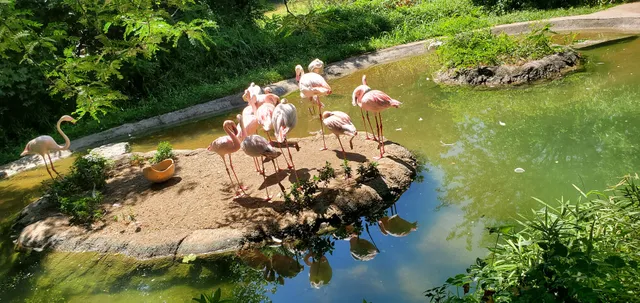
Founded in 1875, the Cincinnati Zoo is the second oldest zoo in the United States. Within the American zoo system, its significance lies not in its size or visitor numbers, but in its long-term, sustained involvement in the captive breeding and scientific research of critically endangered species. ๐Ÿพ๐Ÿ”ฌ What makes this zoo special is its unique historical position. It has witnessed the complete transformation of modern zoos from "animal exhibitions" to "species conservation" and remains one of the few institutions that has consistently played a key role in this evolution. ๐Ÿ›๏ธโžก๏ธ๐ŸŒ In 1914, Martha, the world's last passenger pigeon, passed away at the Cincinnati Zoo. Once the most abundant bird in North America, the passenger pigeon went extinct within decades due to human activities. This event is widely regarded as a pivotal moment that spurred the development of U.S. wildlife protection laws, the establishment of the national park system, and the formation of the modern zooโ€™s conservation mission. As a result, the Cincinnati Zoo has become an unavoidable landmark in the history of animal conservation. ๐Ÿ•Š๏ธ๐Ÿ’”๐Ÿ“œ Since then, the zoo has gradually shifted its focus to the breeding of critically endangered species and long-term scientific research. One of its most notable contributions is its role in the captive conservation of Sumatran rhinos. The zoo once successfully bred and cared for this species and remains one of the few institutions globally with systematic expertise in their reproduction, physiology, and behavioral management. In recent years, to support in-situ conservation efforts, the zooโ€™s rhinos have been repatriated to Indonesia for wild reintroduction, yet this chapter of history remains irreplaceable. ๐Ÿฆ๐Ÿ“ˆ๐ŸŒ Today, the zoo houses numerous rare species of high academic and viewing value. Among primates, it features critically endangered white-cheeked gibbons and other gibbon species. Notably, the zoo houses bonobos instead of common chimpanzees, alongside Sumatran orangutans, western lowland gorillas, and less frequently seen species such as golden-headed lion tamarins, white-faced sakis, and several lemur and owl monkey speciesโ€”many of which are rare in North American zoos. ๐Ÿ’๐ŸŒณ In terms of carnivores, the zoo is home to critically endangered Malayan tigers, as well as clouded leopards, snow leopards, Pallasโ€™s cats, and jaguars. Among canids, it houses critically endangered Mexican wolvesโ€”only kept in a handful of zoosโ€”and African wild dogs with their complex social structures. Large mammals also include eastern black rhinos, southern sea otters (with limited numbers in captivity), and okapis, iconic species of the African rainforest. ๐Ÿ…๐Ÿ†๐Ÿบ The avian and reptile collections are equally impressive, featuring critically endangered blue-throated macaws, little blue penguins, and African penguins. Komodo dragons and green anacondas further enrich the representation of tropical reptiles and rainforest ecosystems. Nocturnal species like binturongs also highlight the zooโ€™s commitment to exhibiting non-charismatic species. ๐Ÿฆœ๐ŸฆŽ๐ŸŒ™ Its insect exhibition is also worth a visit, regarded as one of the most comprehensive insect displays in the United States. It includes a fully designed leafcutter ant ecosystem exhibit and systematically showcases various bat species. ๐Ÿœ๐Ÿฆ‡๐Ÿ“š If you care about endangered species, zoo systems, or conservation itself, this zoo is well worth a dedicated visit! ๐ŸŒŸ๐Ÿฏโค๏ธ #Zoo #Animals #AnimalConservation #Cincinnati #CincinnatiZoo #USA
Related posts
Cincinnati, OH โ€” For the Italian Food Lover ๐Ÿ‡ฎ๐Ÿ‡น๐Ÿ Cincinnati Food Find: Hawkers Alley Cincinnati Food Spotlight: Tasty Hot Pot Cincinnati | Malaysian Restaurant Sago YF-23A at the National Museum of the U.S. Air Force:Cincinnati Hidden Gem Alert!
Sofia Becker
Sofia Becker
5 days ago
Sofia Becker
Sofia Becker
5 days ago
no-comment

No one has commented yet...

A Must-Visit Milestone in Wildlife Conservation History ๐Ÿฆ๐ŸŒฟ

Founded in 1875, the Cincinnati Zoo is the second oldest zoo in the United States. Within the American zoo system, its significance lies not in its size or visitor numbers, but in its long-term, sustained involvement in the captive breeding and scientific research of critically endangered species. ๐Ÿพ๐Ÿ”ฌ What makes this zoo special is its unique historical position. It has witnessed the complete transformation of modern zoos from "animal exhibitions" to "species conservation" and remains one of the few institutions that has consistently played a key role in this evolution. ๐Ÿ›๏ธโžก๏ธ๐ŸŒ In 1914, Martha, the world's last passenger pigeon, passed away at the Cincinnati Zoo. Once the most abundant bird in North America, the passenger pigeon went extinct within decades due to human activities. This event is widely regarded as a pivotal moment that spurred the development of U.S. wildlife protection laws, the establishment of the national park system, and the formation of the modern zooโ€™s conservation mission. As a result, the Cincinnati Zoo has become an unavoidable landmark in the history of animal conservation. ๐Ÿ•Š๏ธ๐Ÿ’”๐Ÿ“œ Since then, the zoo has gradually shifted its focus to the breeding of critically endangered species and long-term scientific research. One of its most notable contributions is its role in the captive conservation of Sumatran rhinos. The zoo once successfully bred and cared for this species and remains one of the few institutions globally with systematic expertise in their reproduction, physiology, and behavioral management. In recent years, to support in-situ conservation efforts, the zooโ€™s rhinos have been repatriated to Indonesia for wild reintroduction, yet this chapter of history remains irreplaceable. ๐Ÿฆ๐Ÿ“ˆ๐ŸŒ Today, the zoo houses numerous rare species of high academic and viewing value. Among primates, it features critically endangered white-cheeked gibbons and other gibbon species. Notably, the zoo houses bonobos instead of common chimpanzees, alongside Sumatran orangutans, western lowland gorillas, and less frequently seen species such as golden-headed lion tamarins, white-faced sakis, and several lemur and owl monkey speciesโ€”many of which are rare in North American zoos. ๐Ÿ’๐ŸŒณ In terms of carnivores, the zoo is home to critically endangered Malayan tigers, as well as clouded leopards, snow leopards, Pallasโ€™s cats, and jaguars. Among canids, it houses critically endangered Mexican wolvesโ€”only kept in a handful of zoosโ€”and African wild dogs with their complex social structures. Large mammals also include eastern black rhinos, southern sea otters (with limited numbers in captivity), and okapis, iconic species of the African rainforest. ๐Ÿ…๐Ÿ†๐Ÿบ The avian and reptile collections are equally impressive, featuring critically endangered blue-throated macaws, little blue penguins, and African penguins. Komodo dragons and green anacondas further enrich the representation of tropical reptiles and rainforest ecosystems. Nocturnal species like binturongs also highlight the zooโ€™s commitment to exhibiting non-charismatic species. ๐Ÿฆœ๐ŸฆŽ๐ŸŒ™ Its insect exhibition is also worth a visit, regarded as one of the most comprehensive insect displays in the United States. It includes a fully designed leafcutter ant ecosystem exhibit and systematically showcases various bat species. ๐Ÿœ๐Ÿฆ‡๐Ÿ“š If you care about endangered species, zoo systems, or conservation itself, this zoo is well worth a dedicated visit! ๐ŸŒŸ๐Ÿฏโค๏ธ #Zoo #Animals #AnimalConservation #Cincinnati #CincinnatiZoo #USA

Cincinnati
Cincinnati Zoo
Cincinnati ZooCincinnati Zoo