

HTML SitemapExplore
logo
Find Things to DoFind The Best Restaurants

A Sacred City Where Three Thousand Years of Faith Intertwi

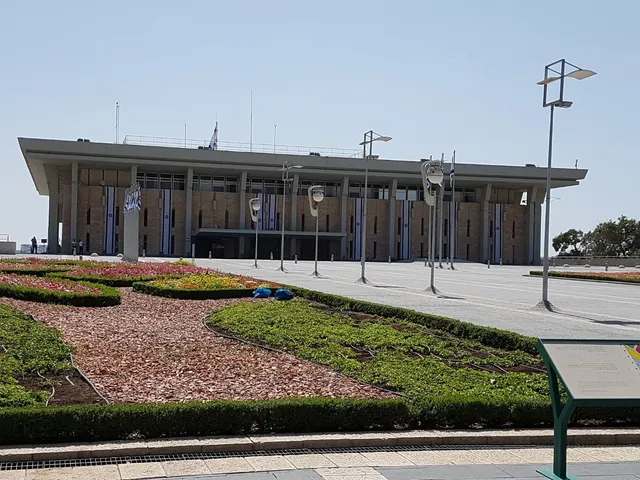
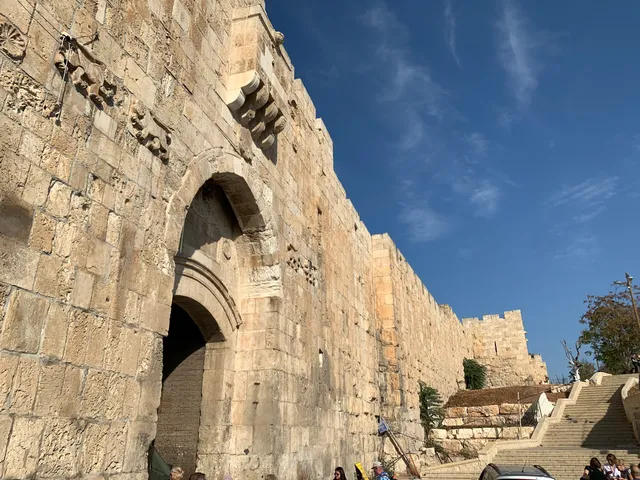
A city full of legend, carrying the weight of history and the richness of diverse faiths — Jerusalem. ✨ In Hebrew, it is called the "City of Peace," yet this land of just one square kilometer has endured three thousand years of war and glory, witnessing countless rises and falls. 🌴 It is a holy site for the world’s three major religions. Nearly a hundred sacred landmarks are scattered throughout the city, and over 200 historical buildings blend the architectural artistry of East and West. Every stone tells a story of the past. 🌴 Wandering through the Old City, the winding, spiderweb-like streets connect the Jewish, Christian, Muslim, and Armenian Quarters. The Dome of the Rock of the Muslims stands high above the Jewish Western Wall. Nearby, the Christian Church of the Holy Sepulchre stands solemn and majestic. When the sound of Muslims reciting the Quran echoes from the mosque, the prayers of Jews at the Western Wall and the hymns of Christians in the church rise together, intertwining in the skies above Jerusalem. ✨ According to the Bible, this is the sacred place where Jesus was crucified, buried, resurrected, and ascended to heaven. Every Friday, Franciscan monks carry the cross and walk slowly along the Via Dolorosa, stopping at each station to recount Jesus’ journey, singing hymns and retracing His path. ✨ The journey begins at the mysterious Lions’ Gate. During the 16th-century Ottoman rule, Sultan Suleiman the Magnificent, inspired by a dream of a lion, ordered the construction of the city wall and had lion carvings placed upon it. Since then, the Lions’ Gate has become a unique symbol of Jerusalem. ✨ In Jerusalem, every old street, a tipsy Santa Claus (exhausted from gift-giving), the Yad Vashem Holocaust Memorial, and the Knesset (Israeli Parliament) — each holds a unique story waiting to be discovered. ✨ Yet Jerusalem’s history also carries heavy memories. In 70 CE, the Roman Emperor Titus, though his reign was short, conquered Jerusalem and destroyed the Second Temple of Judaism, leaving only the Western Wall — a source of endless sorrow for the Jewish people. 🍕 The charge of Roman soldiers, the suffering of the Jews, the burning Temple, and the plundered sacred treasures — the golden table, the seven-branched menorah, and the Jewish scriptures — all became scars of history. The Jewish rebel leader was paraded and sacrificed, and the looted treasures even helped fund the construction of the Roman Colosseum. The seven-branched menorah, a symbol of Jewish faith, had a turbulent fate. After being taken by the Persians in 614 CE, it disappeared. Today, it appears on the emblem of the State of Israel, and a massive menorah gifted by Britain stands in front of the Knesset, becoming a must-see landmark for visitors. 🌟 At that time, a Jewish man named Josephus witnessed it all. He wrote The Jewish War, recording that painful history and lamenting, “Jerusalem is no more.” Nearly 1,890 years later, the Jewish people returned to their homeland. In 1967, Jerusalem once again came back into the embrace of the Jewish nation. #Jerusalem #HistoryAndCulture #HolyLand #WorldHeritage
Related posts
A Sacred City Where Three Thousand Years of Faith Intertwi🇮🇱 Budget Travel in Jerusalem – Days 12 to 13Israel: The Beauty and Sorrow of JerusalemJerusalem | The Birthplace of ChristianityJerusalem FlavorsJerusalem | Birthplace of Christianity: Tracing Jesus' Passion
Hannah Parker
Hannah Parker
5 months ago
Hannah Parker
Hannah Parker
5 months ago
no-comment

No one has commented yet...

A Sacred City Where Three Thousand Years of Faith Intertwi

A city full of legend, carrying the weight of history and the richness of diverse faiths — Jerusalem. ✨ In Hebrew, it is called the "City of Peace," yet this land of just one square kilometer has endured three thousand years of war and glory, witnessing countless rises and falls. 🌴 It is a holy site for the world’s three major religions. Nearly a hundred sacred landmarks are scattered throughout the city, and over 200 historical buildings blend the architectural artistry of East and West. Every stone tells a story of the past. 🌴 Wandering through the Old City, the winding, spiderweb-like streets connect the Jewish, Christian, Muslim, and Armenian Quarters. The Dome of the Rock of the Muslims stands high above the Jewish Western Wall. Nearby, the Christian Church of the Holy Sepulchre stands solemn and majestic. When the sound of Muslims reciting the Quran echoes from the mosque, the prayers of Jews at the Western Wall and the hymns of Christians in the church rise together, intertwining in the skies above Jerusalem. ✨ According to the Bible, this is the sacred place where Jesus was crucified, buried, resurrected, and ascended to heaven. Every Friday, Franciscan monks carry the cross and walk slowly along the Via Dolorosa, stopping at each station to recount Jesus’ journey, singing hymns and retracing His path. ✨ The journey begins at the mysterious Lions’ Gate. During the 16th-century Ottoman rule, Sultan Suleiman the Magnificent, inspired by a dream of a lion, ordered the construction of the city wall and had lion carvings placed upon it. Since then, the Lions’ Gate has become a unique symbol of Jerusalem. ✨ In Jerusalem, every old street, a tipsy Santa Claus (exhausted from gift-giving), the Yad Vashem Holocaust Memorial, and the Knesset (Israeli Parliament) — each holds a unique story waiting to be discovered. ✨ Yet Jerusalem’s history also carries heavy memories. In 70 CE, the Roman Emperor Titus, though his reign was short, conquered Jerusalem and destroyed the Second Temple of Judaism, leaving only the Western Wall — a source of endless sorrow for the Jewish people. 🍕 The charge of Roman soldiers, the suffering of the Jews, the burning Temple, and the plundered sacred treasures — the golden table, the seven-branched menorah, and the Jewish scriptures — all became scars of history. The Jewish rebel leader was paraded and sacrificed, and the looted treasures even helped fund the construction of the Roman Colosseum. The seven-branched menorah, a symbol of Jewish faith, had a turbulent fate. After being taken by the Persians in 614 CE, it disappeared. Today, it appears on the emblem of the State of Israel, and a massive menorah gifted by Britain stands in front of the Knesset, becoming a must-see landmark for visitors. 🌟 At that time, a Jewish man named Josephus witnessed it all. He wrote The Jewish War, recording that painful history and lamenting, “Jerusalem is no more.” Nearly 1,890 years later, the Jewish people returned to their homeland. In 1967, Jerusalem once again came back into the embrace of the Jewish nation. #Jerusalem #HistoryAndCulture #HolyLand #WorldHeritage

Jerusalem
The Knesset
Lions' Gate
The KnessetThe KnessetLions' GateLions' Gate