
Compose Your Adventures: Masterful Travel Photography Composition Techniques
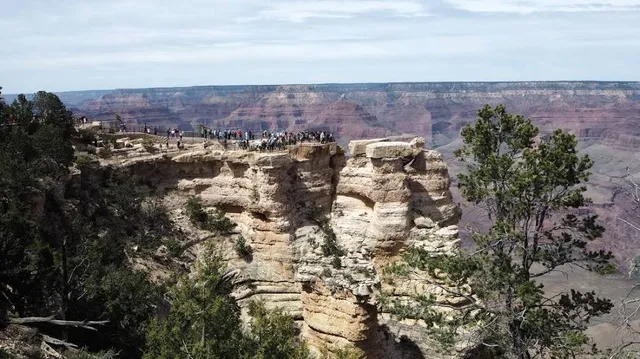
Elevate your travel photos from ordinary to extraordinary! Discover essential composition techniques to capture stunning landscapes, compelling portraits, and unforgettable moments on your journeys. ### Introduction Travel photography is more than just capturing moments; it's about telling stories through images. The power of composition in travel photography is transformative, turning simple snapshots into captivating visual narratives. This article serves as a practical guide to understanding and implementing key composition techniques to elevate your travel photography skills. Here are three top recommended attractions from Wanderboat for travel photo composition techniques: 1. Barcelona, Spain: Utilize symmetry in your shots of Gaudí’s architecture, such as the Sagrada Familia and Casa Batlló. 2. Kyoto, Japan: Incorporate negative space when photographing Zen gardens to emphasize simplicity and calmness. 3. Grand Canyon, USA: Use depth of field techniques to focus on the vastness of the canyon while keeping the foreground sharp. ## Fundamental Composition Techniques ### Rule of Thirds The Rule of Thirds is a foundational concept in photography composition. It involves dividing an image into nine equal parts using two equally spaced horizontal and vertical lines. By placing key elements along these lines or at their intersections, you can create more balanced and engaging photos. This technique is particularly effective for landscapes, portraits, and architectural shots, offering a sense of harmony and visual balance. - LSI Keywords: golden ratio, gridlines, visual balance ### Leading Lines Leading lines are powerful tools in photography composition, guiding the viewer's eye through the image and creating a sense of depth and perspective. These lines can be natural, like rivers and paths, or man-made, such as roads and architecture. By strategically using leading lines, photographers can direct attention to the main subject and enhance the overall composition. - LSI Keywords: converging lines, perspective lines, visual flow ### Framing Framing involves using elements within the scene to create a 'frame' around the subject, adding context and focus. Natural or architectural elements like doorways, windows, arches, or foliage can be used to frame your subject, enhancing the composition by drawing attention to the focal point. - LSI Keywords: natural frame, architectural framing, composition technique ### Foreground Interest Incorporating interesting elements in the foreground can anchor an image and provide a sense of scale and depth. This technique is particularly useful in landscape photography, where rocks, flowers, or people can add dimension and interest to the scene. - LSI Keywords: foreground elements, depth of field, visual hierarchy ### Symmetry and Patterns Symmetrical compositions and patterns have a natural visual appeal, often creating a sense of balance and harmony. Finding symmetry in architecture, landscapes, or reflections can result in striking images that resonate with viewers. - LSI Keywords: balance in photography, repeating patterns, visual harmony ## Advanced Composition Techniques ### Perspective and Depth of Field Experimenting with different perspectives—high, low, or eye-level—can result in unique and engaging images. Depth of field plays a crucial role in isolating the subject and creating visual separation, allowing photographers to emphasize specific elements within the frame. - LSI Keywords: wide-angle lens, shallow depth of field, selective focus ### Layering Layering involves composing an image with elements in the foreground, middle ground, and background, creating depth and dimension. This technique helps to build a more complex and visually interesting photograph. - LSI Keywords: overlapping elements, visual depth, image layering ### Negative Space Negative space, or the empty areas around the subject, can be used effectively to emphasize the main subject and create a sense of simplicity and minimalism. This technique often results in a clean and uncluttered composition that draws attention to the focal point. - LSI Keywords: minimalism in photography, white space, simplicity ### Dynamic Tension Creating visual tension and energy in a photograph can be achieved by juxtaposing contrasting elements or using diagonal lines. This technique adds dynamism to the composition, making the image more engaging. - LSI Keywords: visual energy, contrasting elements, diagonal lines ## Applying Composition Techniques to Travel Scenes ### Landscapes Capturing the vastness and grandeur of landscapes often requires the use of wide-angle lenses and foreground elements. Techniques like leading lines and the Rule of Thirds can help create balanced and impactful compositions. ### Portraits In portrait photography, connecting with the subject and capturing genuine emotions is key. Using a shallow depth of field can isolate the subject, creating a sense of intimacy and focus. ### Architecture Perspective and symmetry are crucial in architectural photography. Leading lines and geometric shapes can be used to create interesting and visually appealing compositions. ### Street Photography Street photography is about capturing candid moments and the essence of everyday life. Experimenting with different perspectives and angles can result in unique and dynamic images that tell a story. ## Conclusion Composition is a vital aspect of creating compelling travel photos. By mastering these techniques, photographers can transform their images from simple snapshots into captivating visual stories. Practice and experimentation are key to developing a unique style and capturing unforgettable moments on your travels.