
Iran | Exploring Ancient Persian Civilization
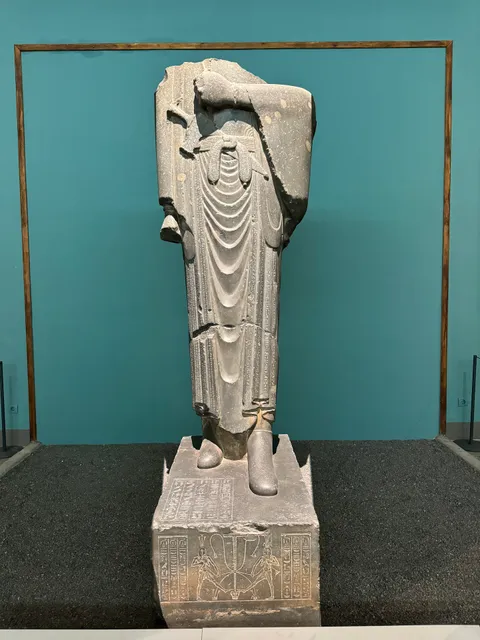
National Museum of Iran One of the most important museums in the world, it showcases the essence of over 4,000 years of Persian history. The National Museum of Iran has a history of over 60 years. It is not only the largest historical museum in Iran but also one of the world's major museums in terms of the variety of its collections. The museum is divided into two parts: the East Wing and the South Wing. The South Wing, which houses the Museum of Ancient Iran, was built in 1937, while the East Wing, which is the Museum of the Islamic Period, was constructed in 1996. The Museum of Ancient Iran covers an area of 11,000 square meters and consists of three floors. The portico and entrance of the museum are designed in the architectural style of the famous palaces of the Sassanian capital, Ctesiphon. The deep red color of the bricks is also a characteristic feature of Sassanian architecture. Salt Man Human remains dating back 1,800 years. Named "Salt Man" because he was discovered in a salt lake, the body is remarkably well-preserved due to the salt content, with hair, pores, and skin clearly visible. Xerxes' Audience The crown jewel of the museum. The scene depicts Xerxes I receiving foreign envoys, showcasing his greatness and the tribute-paying scene from various nations. This emperor is the initiator of the Second Persian War and the Xerxes who fought against the 300 Spartans at the Battle of Thermopylae. ⏰ Opening Hours: Monday to Sunday, 09:00-17:00🎫 Admission Fee: 4,000,000 rials⚠️ Respect the local culture and bring a headscarf🧕Only local bank cards are accepted in Iran.(Iran's money might not be convenient to carry around at all times.) #MuseumExperience #MustVisitMuseum #HistoryAndArt #CulturalHeritage #MuseumAroundTheWorld #Iran #PersianCivilization #AncientHumanCivilization #MuseumTour