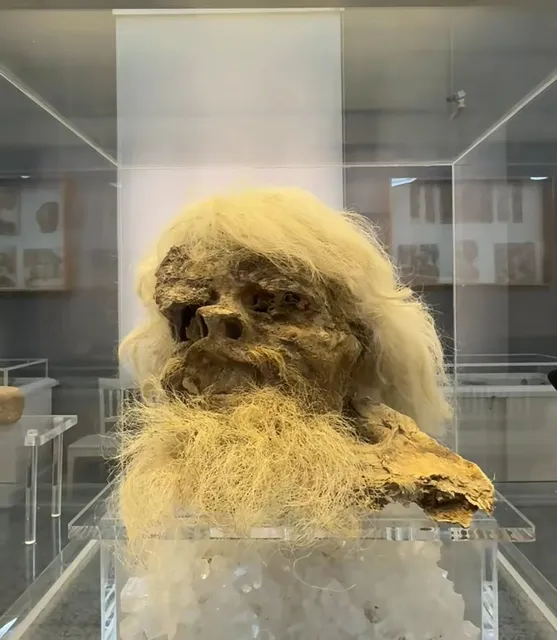
First of all, I want to say that I love Iran’s history. Iran is ancient and has been glorious since ancient times. All the artifacts in the museum are priceless and I appreciate the efforts have been done to gather them and also those who provided related information. But I am going to review the museum not the history of Iran and I’ll be honest. Since this is a museum about Iran’s ancient times, I expected it to be huge. Because Iran is huge and had been much larger in ancient times. There have been civilizations in every corner of it and numerous ancient excavations have been done in different parts of the country. Countless archeological foundings and related information should be there. One would expect a huge complex with several hulls and large scale simulated or artificial cites. But it is not there. The museum is very small and there is even some empty space where you may think they haven’t found anything to fill it! Regarding the layout, they have tried to make a historical order which is a good thing. However, there are still some points where artifacts are placed out of the order. Regarding finding useful and reliable information, there are written guidance on the walls and next to the artifacts but You can hardly find guides with acceptable knowledge in the museum. I went there during the holidays which is expected to be the most crowded and yet I couldn’t find any knowledgeable guide (human). Some figures in the potteries were extremely interesting but puzzling. I asked the only human who was there as a guide and she didn’t know what was it about. So, services are not acceptable for the national museum of Iran. The building itself is very old and unbelievably not safe at all which is not acceptable. When you start at the second floor, you immediately notice clear and troubling shakings under your feet. One may think of earthquakes at firs. But you will find out that it is the floor itself that shakes whenever someone walks! Can you believe it? Its that dangerous. In a building that holds so many valuable artifacts, when you walk on the second floor, it shakes. The lighting is acceptable. There are very few digital and motioned information. So, overall, I can only say that I am sorry. For a country as reach as Iran, regarding the ancient history, even considering all the artifacts that have been smuggled or by any means moved out of the country, this is still not acceptable at all. It should and could be glorious and huge. It should take several days to...
Read moreThe National Museum of Iran in Tehran is a remarkable destination for anyone interested in Iran’s rich cultural and historical heritage. Recently, the museum hosted a temporary exhibition, which added a fresh and engaging perspective to its already vast collection. This temporary exhibit, like others before it, is carefully curated and displayed for a limited time before being returned to the museum’s secure storage, ensuring the preservation of these precious artifacts. Regarding visitor facilities, the museum provides clean and well-maintained toilets across different floors, including accessible options, which contribute to a comfortable visit. There are also safe lockers available, allowing visitors to securely store their belongings and explore the museum with empty hands. This feature is especially convenient and adds to the overall visitor experience, although museum staff may open lockers for security checks if necessary. Photography is allowed inside the museum, but visitors must refrain from using flash to protect the delicate artifacts. This policy strikes a good balance between allowing visitors to capture memories and preserving the integrity of the exhibits. Overall, the National Museum of Iran offers a well-rounded experience with its impressive collections, including both permanent and temporary exhibitions, and thoughtful visitor amenities such as clean toilets and secure lockers. These features make it easy and enjoyable to spend several hours exploring the museum’s treasures without worry.
The ticket price for Iranian visitors to the National Museum of Iran in Tehran is 500,000 and for foreign visitors approximately 4,000,000 Iranian Rials, which is about 7 USD as of 2025. This price reflects a recent increase, having risen significantly in recent months from lower rates around 1,000,000 Rials (about 2 USD). Some sources mention slightly different figures such as 300,000 Rials, but the most consistent and updated information points to the 4,000,000 Rials rate for international tourists. Discounted rates may be available for large groups such as school or tour groups. The museum is open daily, generally from 9 a.m. to 7 p.m. in spring and summer, and from 8:30 a.m. to 5 p.m. in autumn and winter. In summary, expect to pay around 7 USD for a ticket as a foreign visitor, with possible group discounts, and plan your visit during the regular opening hours for the...
Read moreNational Museum of Iran, Tehran
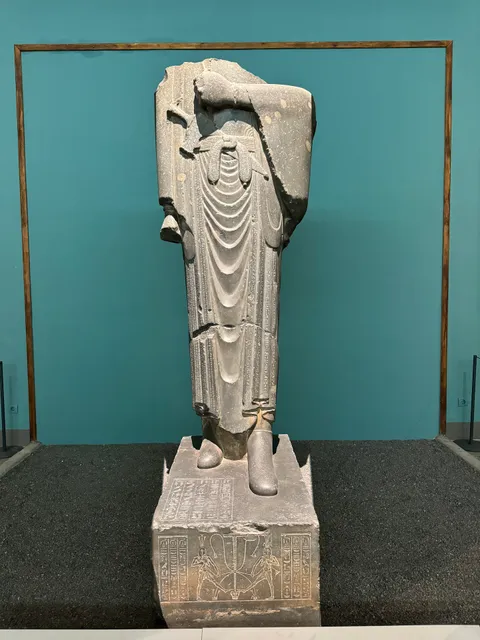
🖼️ Exhibits & Value: From prehistoric to early Islamic eras, the museum offers a rich journey through Iranian civilization—from stone tools of the Paleolithic and Copper Age to Sassanian architecture and Islamic manuscripts. A must-visit for history lovers. Rating: 4/5
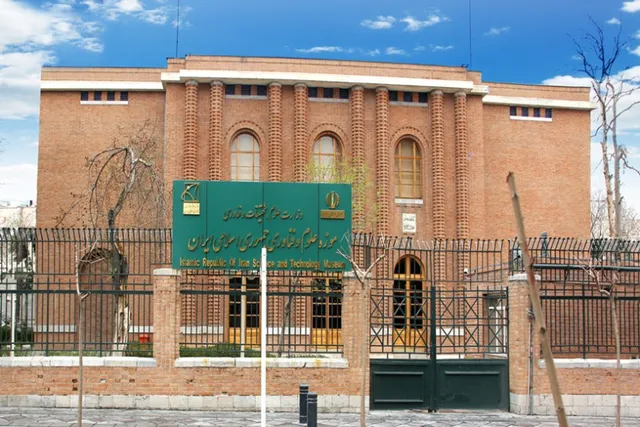
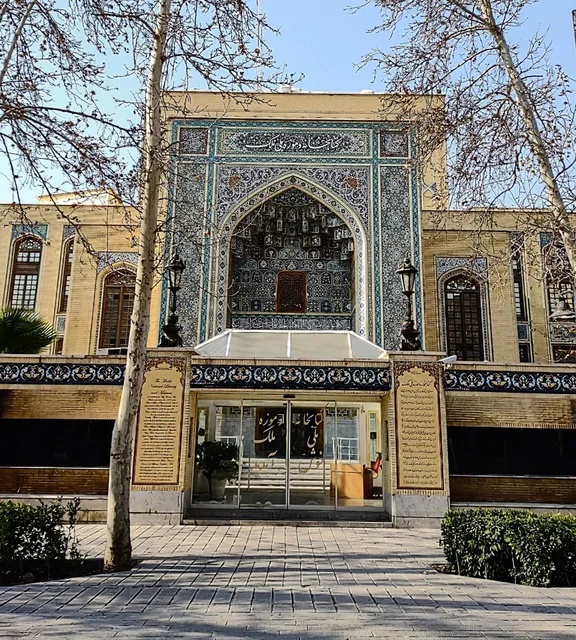
🌍 Structure & Route: Spread across two buildings—the Ancient Iran Museum (prehistory to Sassanian) and the Museum of the Islamic Era—visiting both is easy and well worth your time. Rating: 4/5
👌 Atmosphere & Layout: Clean, calm, with intuitive layouts and English signage; well maintained and climate-controlled. Visitors spend 1.5–3 hours here. Rating: 4/5
💰 Cost & Accessibility: The ticket costs around 4 million IRR (~US $7–8), quite reasonable. Metro and bus access are convenient, and brochures are available in English. Rating: 4/5
⭐ Overall Rating: 4 / 5
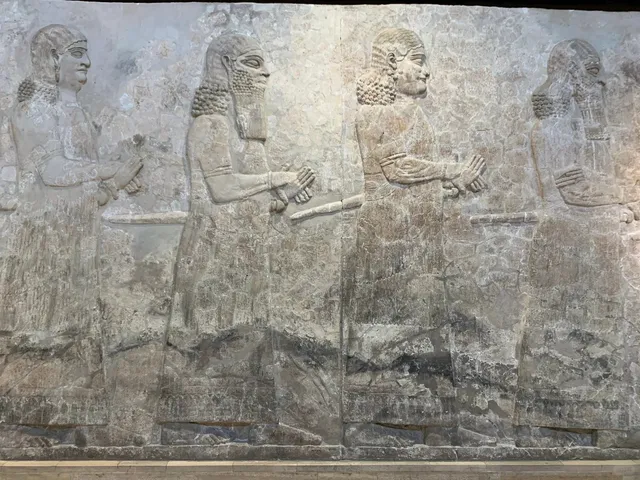
A compact but captivating cultural gem. If you love archaeology, ancient tools, Bronze Age pots, Sassanian reliefs, or early Qur’anic manuscripts, this is an excellent opportunity to immerse in Persian history—for a friendly price and manageable visit.
My personal take: I felt the journey from stone-age tools through the splendor of early Islamic artworks was both enlightening and memorable. The museum’s efficient setup lets you wander through two halls at your own pace—though you could easily spend three hours exploring. Worth a full “loop” around both venues.
🧭 Quick Visitor Tips
Tip Description
⏱️ Time Allocate at least 1.5–2 hours, ideally 2–3 hours 🧭 Access Nearest metro: Emam Khomeini (Line 1); buses also available 📚 Materials English-language brochures and signage available 🕰️ Hours Typically open 9 AM–5 (9–7 in...
Read more