Japanese Shrines 🌇
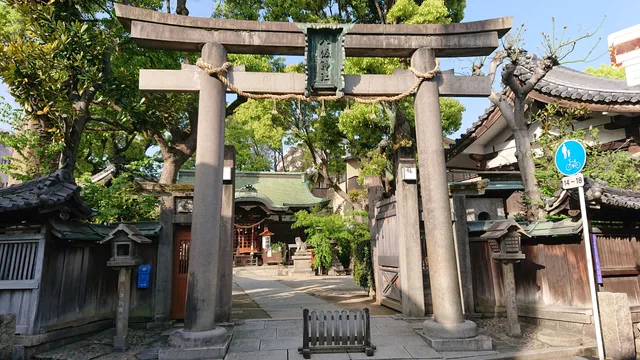
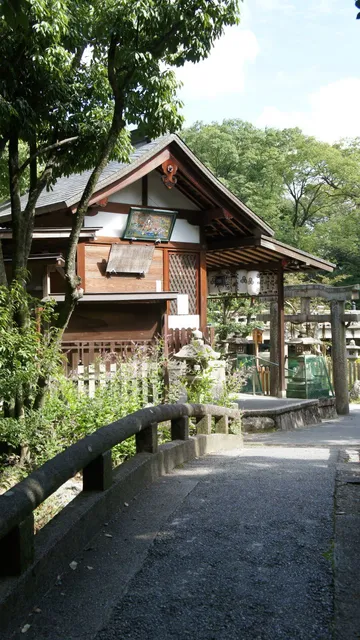
🌺Yasaka Shrine Yasaka Shrine, also known as Gion Shrine, is renowned for hosting the Gion Matsuri, one of Japan's largest and most famous festivals. 🌈 Every July, the grand Gion Matsuri takes place, with magnificent floats and vibrant processions parading through the streets of Kyoto. People visit the shrine to pray for peace, health, and happiness. 🌟 Itsukushima Shrine 🍃 Itsukushima Shrine is famous worldwide for its iconic vermilion torii gate standing majestically in the sea. 🌺It is a UNESCO World Heritage Site in Japan. 🌊 At high tide, the torii gate appears to float on the water, creating a dreamlike scene with the shrine's architecture. The shrine honors the Three Munakata Goddesses and is considered the guardian deity of maritime safety. 🌊 🌇The Cultural Significance of Shrines Most Japanese shrines are closely connected to nature, often built in picturesque locations. 🌺This reflects the Japanese reverence and love for nature, as well as the belief that spirits dwell in all things. 🌇Shintoism holds that deities reside in shrines, making them sacred places. 🌿 The ema (votive tablets) and omamori (amulets) found in shrines are unique and charming. Ema originally depicted black-and-white horses for praying for rain or sunshine, but they have evolved into small wooden plaques with shrine patterns where people can write their wishes. 🍃🌺 Omamori are considered protective amulets, inscribed with the names of deities and their spiritual powers. People believe they can bring blessings for safety, academics, career, and more. 🌸 🌇Moreover, shrines play a significant role in Japanese social life. During the New Year, people flock to shrines to pray for good fortune through donations, prayers, and fortune-telling. 🍃🌺 Many also visit on special occasions. 🎉 #JapanTravel #JapaneseShrines 🌇