
Kanazawa Deep Dive (2)🌟
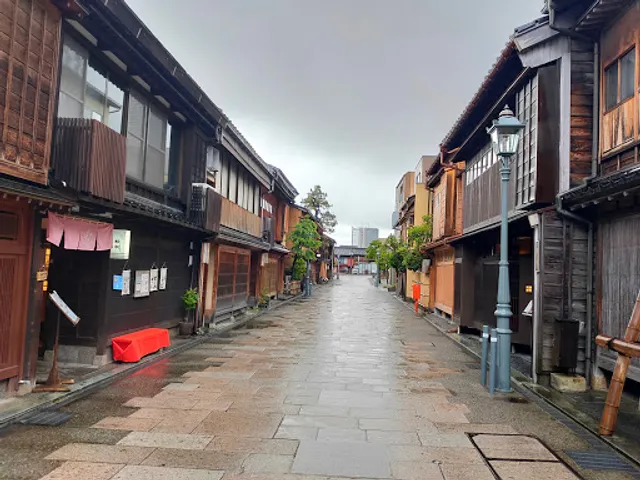
Nishi Chaya-gai (West Tea House District) 🍃🌸 History and Scale: Compact and tidy, with a quaint 100-meter-long cobblestone path that stretches out, making it the most down-to-earth tea house district. 🌿 🌟🌟Architectural Features: Along the cobblestone path, you'll find Edo-period tea house buildings. The first floor features deep purple lattice windows, while the second floor has eaves for shade. 🏡 🍃🌸 Cultural Activities: The nostalgic building of the former "Kenshinsyo" (inspection office) has become a geisha training hall. 🌟🌟Visitors might hear the sounds of the shamisen and taiko drums, or even catch a glimpse of a geisha heading to a banquet. 🎎 ✨ Katajima Chaya-gai (Katajima Tea House District) History and Scale: Located on the south bank of the Asanogawa River, this district is lined with Japanese-style restaurants and bars on the main street, with narrow alleys and vertical lattice doors adding to its charm. 🌉 🌟🌟 Architectural Features: The tea houses here are mostly two-story buildings. The first floor has lattice windows, while the second floor features eaves. This architectural style was relatively rare during the Edo period. 🏠 🍃🌸 Cultural Activities: There are information centers and tea houses with open interiors nearby. 🌟🌟Visitors can tour the living rooms with their deep purple walls and experience the elegant history and refined traditional culture. 🌺 The tea house districts in Kanazawa are not only witnesses to history but also guardians of cultural heritage. 🍃🌸 Visitors can delve deep into Japan's traditional culture and arts here. However, the souvenirs and shops can feel quite similar, much like the ancient towns and old streets in China, with a high degree of homogenization. 🌟🌟 #Japan 🌟🌟