New Orleans | Slavery, Ghosts, and Anthropology
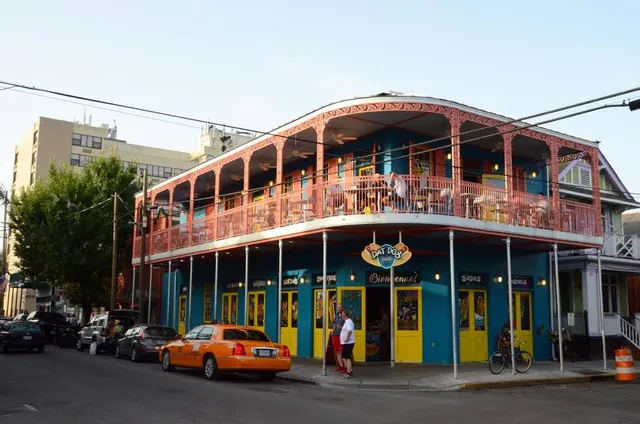
When people think of slavery, plantation landscapes often come to mind. Yet slavery has also profoundly shaped cities. Walking through the architecture and neighborhoods of New Orleans, you can feel the "afterlives" of slavery. What's often overlooked is this: before being enslaved, those who were trafficked had their own histories, experiences, and skills. As Black labor built the city's infrastructure, they brought techniques from Africa into its very foundations. For example, many arched doors and windows with iron supports in the French Quarter reflect the lived knowledge of enslaved Africans. 🏛️✨ This reminded me of a class last year where we read Barracoon: The Story of the Last Black Cargo. The author found the last survivor in a small Alabama town. The book restores his story—before enslavement, he had a West African name and a social world of his own. Moving from abstract ideas of slavery and trans-Atlantic trafficking to the story of one real person makes the violence and harm of colonization feel heartbreakingly real. 📖💔 Memories of violence, historical trauma, and the ghosts of those who died unjustly form an invisible, often unspoken layer of the city. New Orleans is known as a "ghost city"—though the term means something very different in Chinese and English contexts. Here, ghosts are disruptive and destructive. They blur the lines between past and present, language and experience, resisting neat frameworks or resolution. 👻🌀 Yet even ghosts are being commodified. Beyond academic spaces like the AAA (American Anthropological Association), ghost tour companies are everywhere in New Orleans. On a walk through the French Quarter with my group, we passed a house once rumored to be haunted—now registered as a business selling ghost stories. 🏚️💼 #NewOrleans #USA #Travel #Humanities #Anthropology