

HTML SitemapExplore
Find Things to DoFind The Best Restaurants

One of the Must-Visit Museums in Florence: Palazzo Pitti! 🏰✨

🌳In 1550, Cosimo I de' Medici 👑 and his wife, Eleanora di Toledo 👑, purchased this palace and transformed it into a new grand ducal residence. The Pitti Palace quickly became a symbol of the Medici family's consolidation of power in Tuscany. 🌳The Pitti Palace served as the palace for two other dynasties as well: the Habsburg-Lorraine dynasty (who became the successors of the Medici family from 1737) and the Savoy family, who resided here as the Italian royal family from 1865. The name of the Pitti Palace still originates from its first owner, the Florentine banker Luca Pitti, who in the mid-15th century wished to build the palace at the foot of the Boboli Hill, on the other side of the Arno River—perhaps designed by Brunelleschi. 🌳Behind the Pitti Palace lies the wonderful Boboli Gardens. The Medici family was the first to landscape this garden, creating a model of the Italian garden that became an example for many European courts. 🌳The vast green spaces are regularly divided, forming a veritable open-air museum, with statues from ancient and Renaissance times, adorned with grottoes,the famous grotto designed by Bernardo Buontalenti, as well as large fountains such as the Fountain of Neptune and the Fountain of the Ocean. 🌳The successive dynasties of Lorraine and Savoy further enriched its layout, extending its boundaries along the ancient city walls all the way to the Roman Gate (Porta Romana). The Boboli Palace is an integral part of the Pitti Palace; visiting the Boboli Palace complements the visit to the Pitti Palace, allowing one to fully appreciate the spirit of courtly life, while also enjoying the experience of gardens that are constantly renewed while respecting tradition. #Europe #Italy #FlorenceInDepth #CradleOfTheRenaissance
Related posts
Hidden Gem Restaurants in FlorenceNUGOLOFlorence Michelin-recommended savory popcornA Hidden Café 🍵 in an Art Gallery in Florence's City CenterThe huge steak astonishes all tourists!Buca Mario, which has been in business since 1886
Lucas
Lucas
about 1 year ago
Lucas
Lucas
about 1 year ago
no-comment

No one has commented yet...

One of the Must-Visit Museums in Florence: Palazzo Pitti! 🏰✨

🌳In 1550, Cosimo I de' Medici 👑 and his wife, Eleanora di Toledo 👑, purchased this palace and transformed it into a new grand ducal residence. The Pitti Palace quickly became a symbol of the Medici family's consolidation of power in Tuscany. 🌳The Pitti Palace served as the palace for two other dynasties as well: the Habsburg-Lorraine dynasty (who became the successors of the Medici family from 1737) and the Savoy family, who resided here as the Italian royal family from 1865. The name of the Pitti Palace still originates from its first owner, the Florentine banker Luca Pitti, who in the mid-15th century wished to build the palace at the foot of the Boboli Hill, on the other side of the Arno River—perhaps designed by Brunelleschi. 🌳Behind the Pitti Palace lies the wonderful Boboli Gardens. The Medici family was the first to landscape this garden, creating a model of the Italian garden that became an example for many European courts. 🌳The vast green spaces are regularly divided, forming a veritable open-air museum, with statues from ancient and Renaissance times, adorned with grottoes,the famous grotto designed by Bernardo Buontalenti, as well as large fountains such as the Fountain of Neptune and the Fountain of the Ocean. 🌳The successive dynasties of Lorraine and Savoy further enriched its layout, extending its boundaries along the ancient city walls all the way to the Roman Gate (Porta Romana). The Boboli Palace is an integral part of the Pitti Palace; visiting the Boboli Palace complements the visit to the Pitti Palace, allowing one to fully appreciate the spirit of courtly life, while also enjoying the experience of gardens that are constantly renewed while respecting tradition. #Europe #Italy #FlorenceInDepth #CradleOfTheRenaissance

Florence
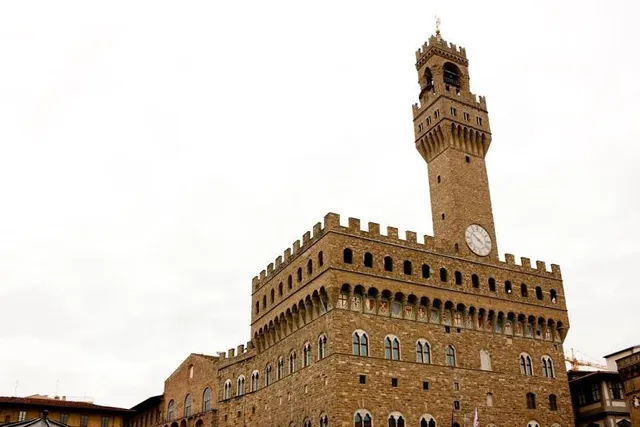
Palazzo Vecchio
Palazzo VecchioPalazzo Vecchio