Palazzo Vecchio things to do, attractions, restaurants, events info and trip planning
Basic Info
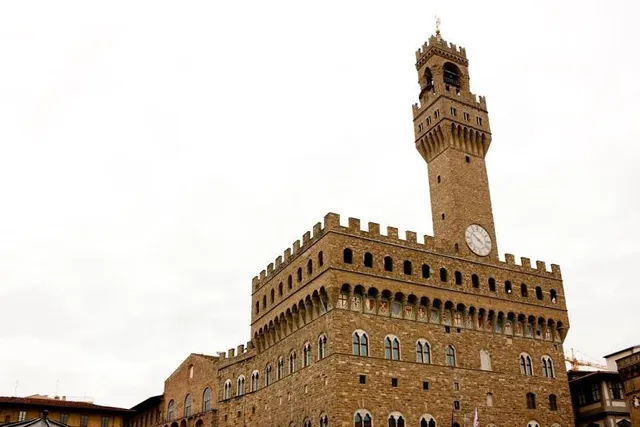
Palazzo Vecchio
P.za della Signoria, 50122 Firenze FI, Italy
4.7(9K)
Open until 7:00 PM


tickets
Save
spot
spot
Ratings & Description
Info
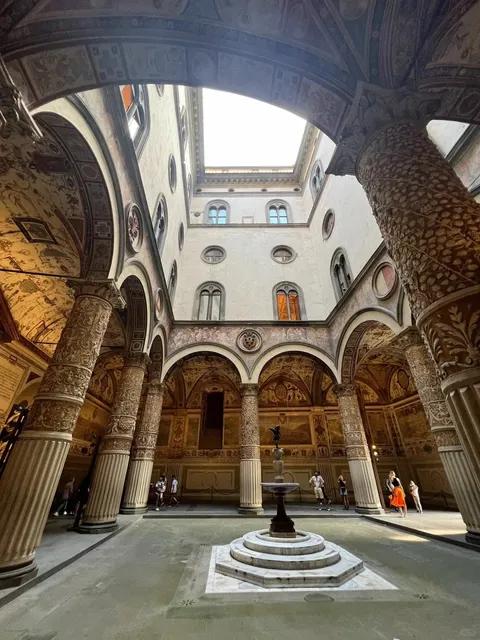
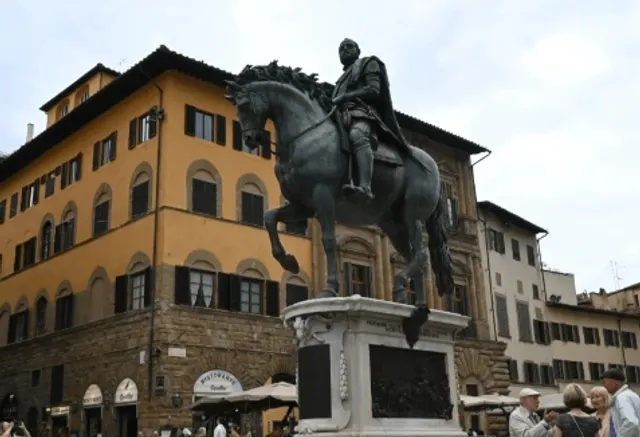
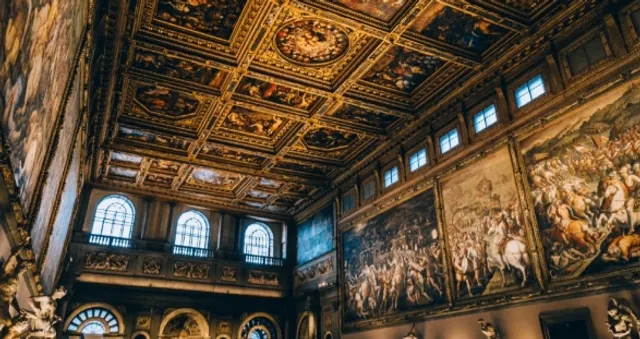
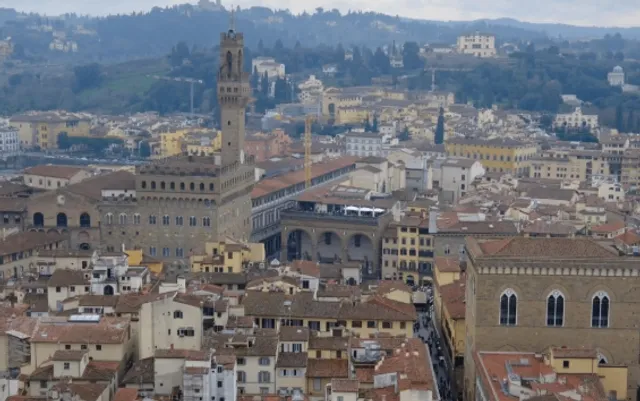
The Palazzo Vecchio is the town hall of Florence, Italy. It overlooks the Piazza della Signoria, which holds a copy of Michelangelo's David statue, and the gallery of statues in the adjacent Loggia dei Lanzi.
Cultural
Accessibility
attractions: Piazza della Signoria, Uffizi Gallery, Ponte Vecchio, Fountain of Neptune, Replica of statue of David, Fontana del Porcellino, Loggia dei Lanzi, Museo Galileo, Torre di Arnolfo, Perseus with the head of Medusa, restaurants: All’Antico Vinaio, Braceria Auditore, Venchi Gelato and Chocolate, Ristorante Pizzeria Il David Firenze, Antico Ristorante Paoli 1827, I' Girone De' Ghiotti, Museo della Bistecca - Bisteccheria Piazza della Signoria, La Tenda Rossa, Pizza Napoli 1955, Osteria dell'Orcagna, local businesses: Palazzo Gucci, Walkabout Florence Tours, L’Antico Trippaio, Rinascente Firenze, Piazza del Duomo, DERRICKS FIRENZE, Signum, Trippaio del Porcellino - Nencioni, Captain Candy, Caf Tour & Travel - Headquarter
 Learn more insights from Wanderboat AI.
Phone
+39 055 276 8325
Website
cultura.comune.fi.it
Open hoursSee all hours
Mon9 AM - 7 PMOpen
Plan your stay

Pet-friendly Hotels in Florence
Find a cozy hotel nearby and make it a full experience.

Affordable Hotels in Florence
Find a cozy hotel nearby and make it a full experience.

The Coolest Hotels You Haven't Heard Of (Yet)
Find a cozy hotel nearby and make it a full experience.

Trending Stays Worth the Hype in Florence
Find a cozy hotel nearby and make it a full experience.
Reviews
Live events

My Farm - Wine, Pasta & Vineyard in One Day
Mon, Feb 23 • 2:15 PM
50124, Florence, Tuscany, Italy
View details

Discovery Piscine: Programmazione Web
Mon, Feb 23 • 10:00 AM
1 Via del Tiratoio 50124 Firenze
View details
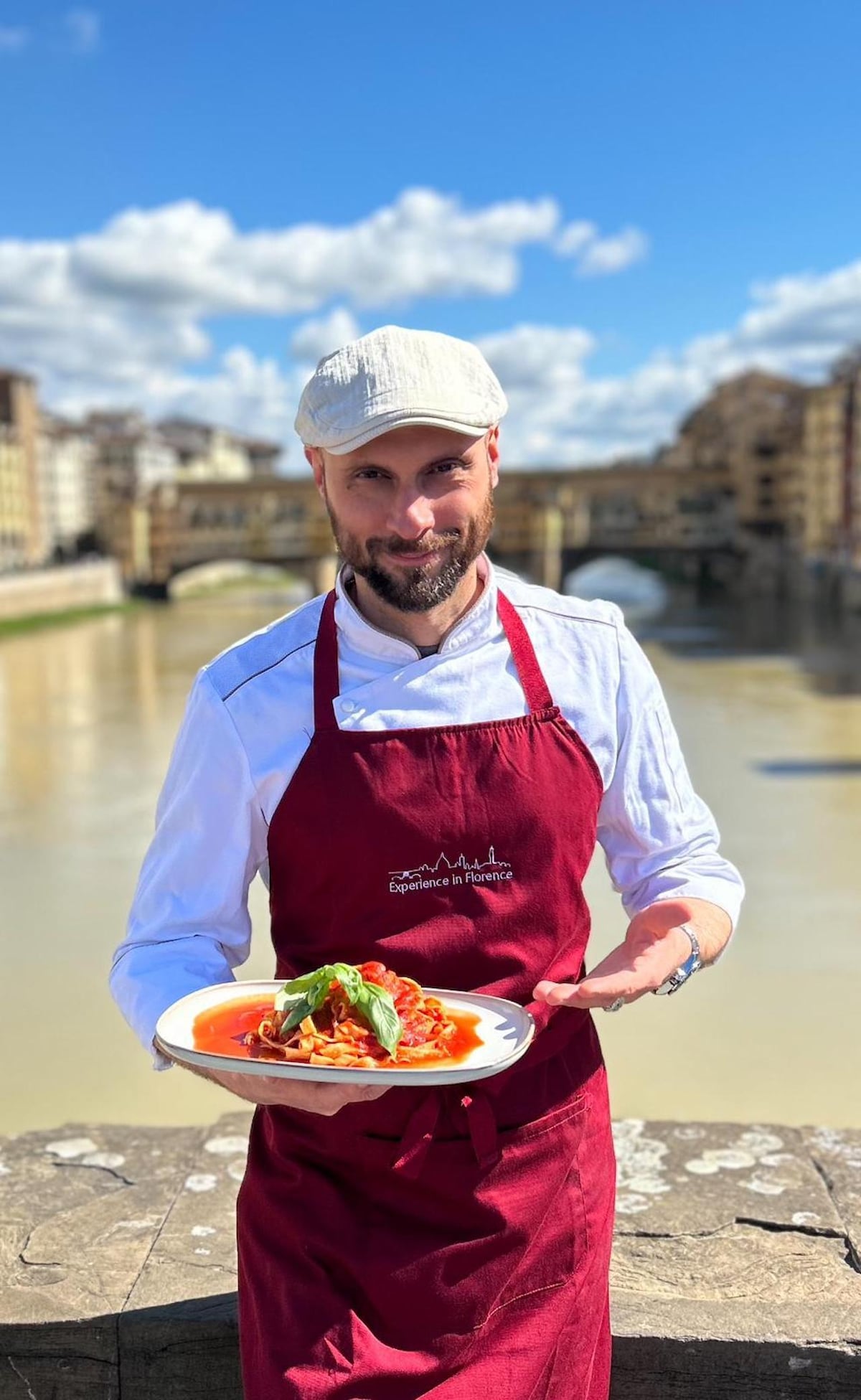
Pastamania - Pasta Class & Wine near Ponte Vecchio
Mon, Feb 23 • 4:00 PM
50125, Florence, Tuscany, Italy
View details
Nearby attractions of Palazzo Vecchio
Piazza della Signoria
Uffizi Gallery
Ponte Vecchio
Fountain of Neptune
Replica of statue of David
Fontana del Porcellino
Loggia dei Lanzi
Museo Galileo
Torre di Arnolfo
Perseus with the head of Medusa
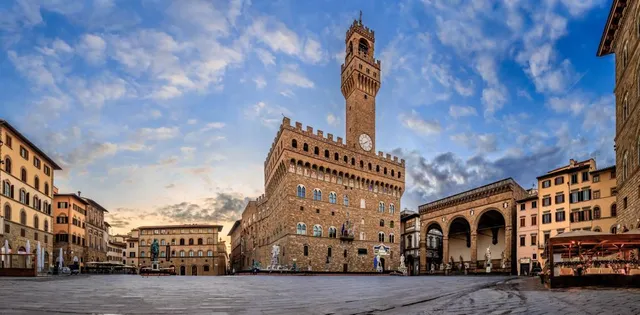
Piazza della Signoria
4.8
(27.8K)
Open 24 hours
Click for details
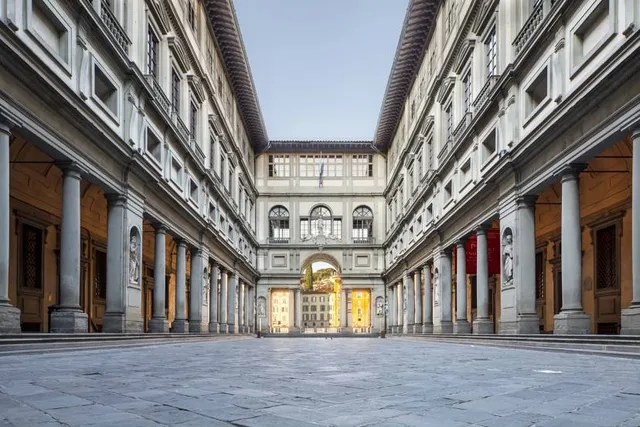
Uffizi Gallery
4.7
(30.6K)
Open until 12:00 AM
Click for details
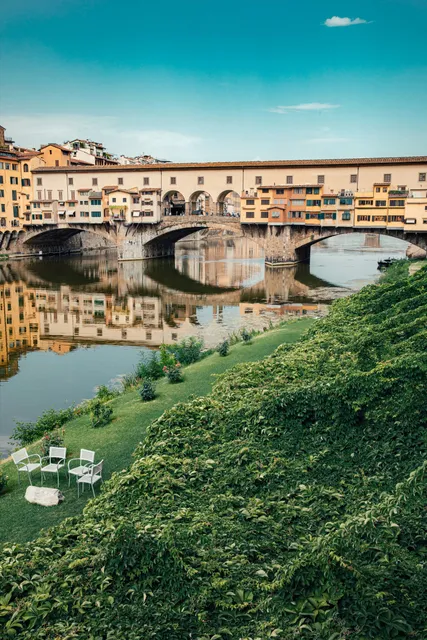
Ponte Vecchio
4.7
(49.4K)
Open 24 hours
Click for details
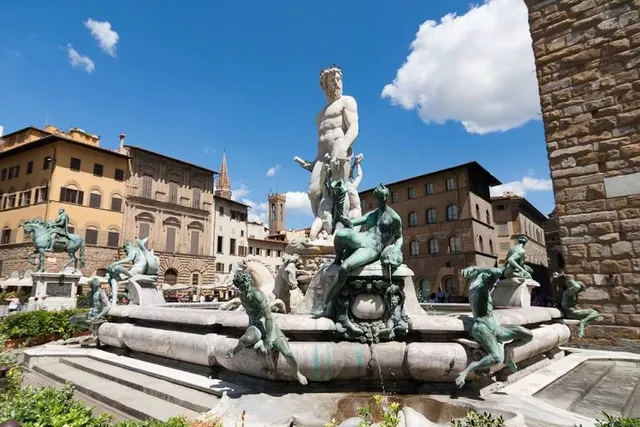
Fountain of Neptune
4.7
(1.0K)
Open until 12:00 AM
Click for details
Nearby restaurants of Palazzo Vecchio
All’Antico Vinaio
Braceria Auditore
Venchi Gelato and Chocolate
Ristorante Pizzeria Il David Firenze
Antico Ristorante Paoli 1827
I' Girone De' Ghiotti
Museo della Bistecca - Bisteccheria Piazza della Signoria
La Tenda Rossa
Pizza Napoli 1955
Osteria dell'Orcagna
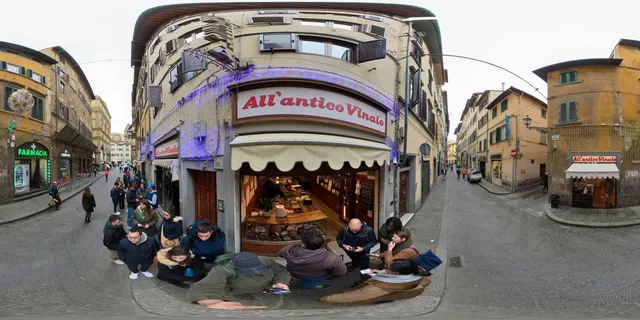
All’Antico Vinaio
4.5
(15.9K)
Open until 10:00 PM
Click for details
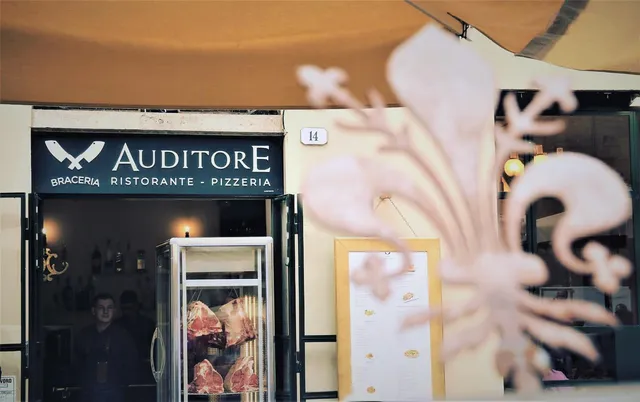
Braceria Auditore
4.7
(2.2K)
$$
Open until 10:30 PM
Click for details
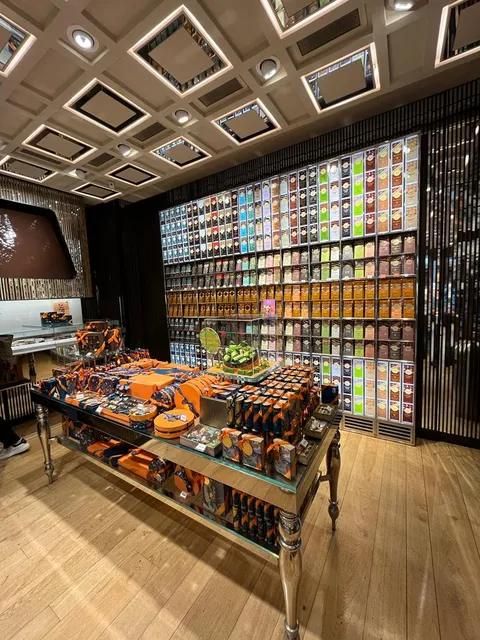
Venchi Gelato and Chocolate
4.7
(3.6K)
$$
Open until 12:00 AM
Click for details
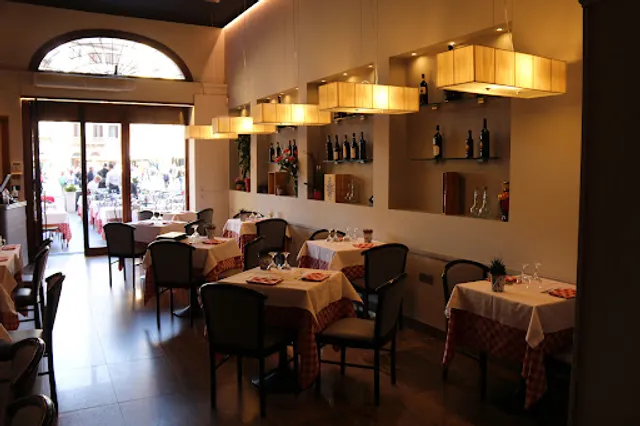
Ristorante Pizzeria Il David Firenze
4.4
(992)
Open until 11:30 PM
Click for details
Nearby local services of Palazzo Vecchio
Palazzo Gucci
Walkabout Florence Tours
L’Antico Trippaio
Rinascente Firenze
Piazza del Duomo
DERRICKS FIRENZE
Signum
Trippaio del Porcellino - Nencioni
Captain Candy
Caf Tour & Travel - Headquarter
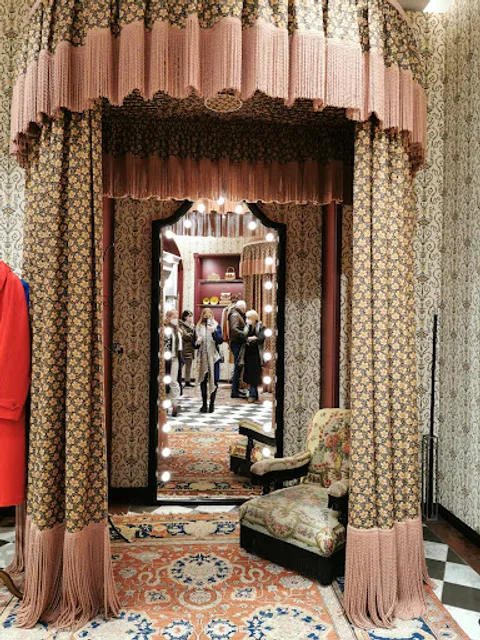
Palazzo Gucci
4.2
(904)
Click for details
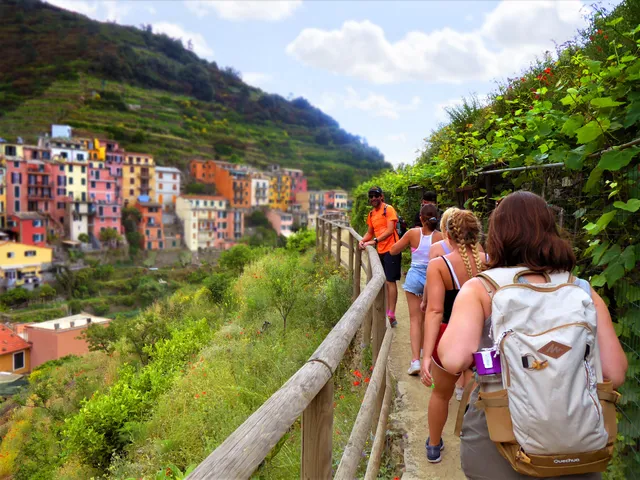
Walkabout Florence Tours
4.9
(628)
Click for details
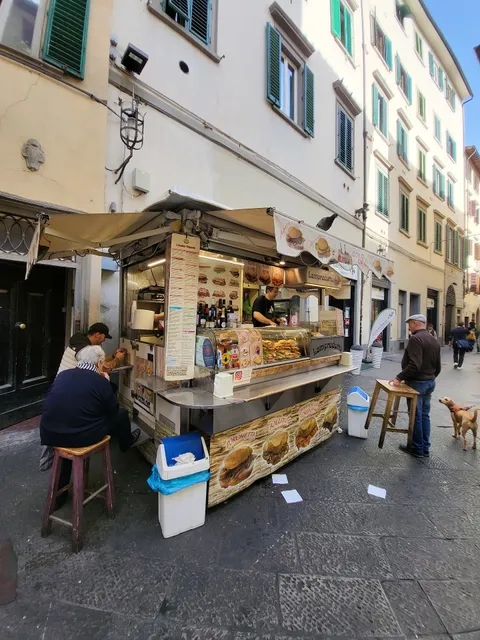
L’Antico Trippaio
4.6
(852)
Click for details
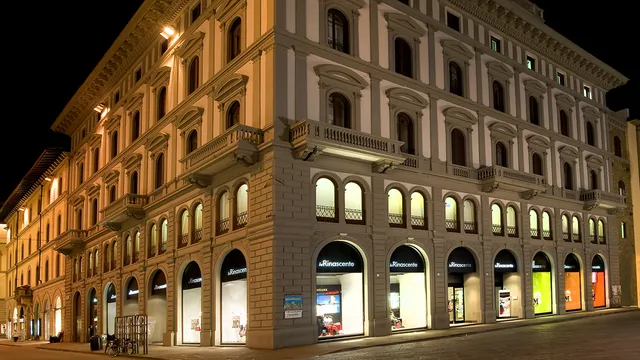
Rinascente Firenze
4.1
(2.2K)
Click for details