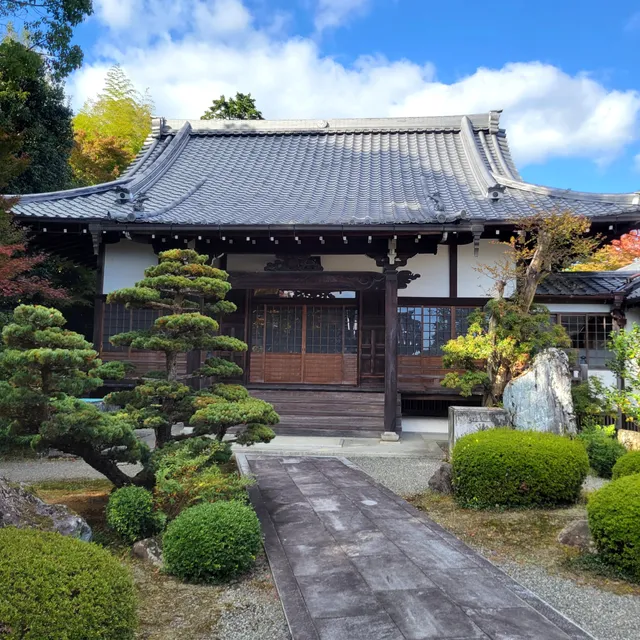

Saiho-ji Temple (2) 🌿
The design of the moss garden has minimized human intervention. 🎢🌟 There are only a few paths and a small number of tea houses, leaving the majority of the space to the lush greenery. 🍃🌺The last time I felt so overwhelmed by this pervasive green was at the Wulei Autumn Mountain in the back of Qingcheng Mountain. Due to historical periods of abandonment and the climate of the southern slope of Arashiyama, the moss in the lower garden has grown unchecked, invading the original man-made structures. 🎢🌟 Paths, stone pillars, and stone foundations are all submerged under a sea of green, appearing and disappearing. 🍃🌺The moss has inadvertently become the well-known protagonist of the temple, even overshadowing its official name with the nickname "Moss Temple." This unexpected sense of ruin perfectly embodies the wabi-sabi aesthetic and has been preserved to this day, making it the most precious mark of the temple. 🌿 🎢🌟 ▪️ps: After leaving Saiho-ji Temple, if you still have time, head towards Suzumushi-ji Temple. Both Bamboo Coffee and the unknown white buildings along the way are quite picturesque and perfect for photos. 🍃🌺While listening to a 30-minute story in Japanese at Suzumushi-ji Temple might not be necessary, climbing up for a panoramic view of Kyoto to the east is definitely worthwhile. 🌿 #Kyoto 🌿 #KyotoTravel 🌿 #Saiho-ji 🌿