

HTML SitemapExplore
logo
Find Things to DoFind The Best Restaurants

Seville | The most obscure palace: The House of Pilate

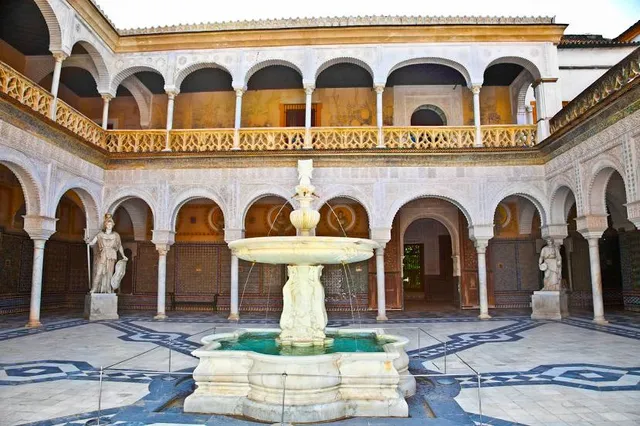
đŸ›ïž Casa de Pilatos: Seville’s Hidden Palace—A Tapestry of Styles and a Pig Statue Obsession Missed tickets to Seville’s iconic royal palace? Don’t fret—Casa de Pilatos is a revelation. Tucked away, nearly empty of crowds, this 16th-century mansion blends architectural worlds with dizzying flair: MudĂ©jar tilework, Italian Renaissance symmetry, Gothic arches, and Baroque drama, all woven into one. It’s (off-the-beaten-path) in the best way—two hours of exploring, and we barely saw another tourist. 🏰 Architecture: Where Cultures Collide Step through the gates, and you’ll spot echoes of Granada’s Alhambra (check out the intricate tile patterns in photos 2 and 3)—a nod to Moorish craftsmanship that seeped into Andalusian design. But turn a corner, and you’re hit with Italian Renaissance grandeur: columns, courtyards, and classical proportions that feel plucked from a Florentine villa. Gothic touches (pointed arches, stone carvings) and Baroque excess (gilded details, bold frescoes) sneak in too. It’s not just a palace—it’s a history lesson in brick and stone, where Christian and Moorish influences dance together. đŸ· The Quirky Star: A Thousand Pigs Amidst the marble statues and Renaissance art, there’s a delightfully odd collection: over 1,000 pig figurines. Tiny ceramic pigs, bronze boars, porcelain hogs—each from a different country, each with its own style. Why pigs? Legend says the palace’s namesake, Pedro EnrĂ­quez de Quiñones, visited Jerusalem and reenacted Pontius Pilate’s washing of hands (hence “Pilatos”)—and over time, “pig” (a playful nod to “Pilatos”?) became a symbol of the family’s whimsy. It’s quirky, unexpected, and weirdly charming—proof that even grand palaces have a sense of humor. 🎹 Art and Antiques Beyond the pigs, the palace is a treasure trove: Roman statues stand guard in courtyards, Renaissance paintings hang in dim halls, and ancient artifacts (think pottery, coins, and tapestries) fill every nook. It’s less crowded than Seville’s main museums, so you can linger—staring at a marble Venus or tracing the lines of a 500-year-old tapestry—without jostling for space. 🌟 Why It’s a Must Casa de Pilatos is the anti-tourist trap. It’s quiet, rich with history, and full of surprises (hello, pig army). Whether you’re an architecture buff, an art lover, or just someone who hates crowds, this is Seville’s best-kept secret. Skip the sold-out royal palace—this hidden gem offers more charm, fewer people, and a thousand reasons to smile (mostly pig-shaped). #SevilleHiddenGems #ArchitectureNerdHeaven #PigStatuesUnite #SpanishHistory
Related posts
đŸ‡Ș🇾 The stunning little-known churches of SevilleđŸ‡Ș🇾 Don't miss this Basque 🧀 when you come to Seville!đŸ‡Ș🇾Tapas in Seville are delicious đŸ„© 10+ per capita👑 Palacio de la Reina: Seville’s “Queenly” SecretSpain | Seville for the most romantic dinner!đŸ‡Ș🇾 A virtual tour of the little-known Roman baths in Seville 🛁
Grace Taylor
Grace Taylor
5 months ago
Grace Taylor
Grace Taylor
5 months ago
no-comment

No one has commented yet...

Seville | The most obscure palace: The House of Pilate

đŸ›ïž Casa de Pilatos: Seville’s Hidden Palace—A Tapestry of Styles and a Pig Statue Obsession Missed tickets to Seville’s iconic royal palace? Don’t fret—Casa de Pilatos is a revelation. Tucked away, nearly empty of crowds, this 16th-century mansion blends architectural worlds with dizzying flair: MudĂ©jar tilework, Italian Renaissance symmetry, Gothic arches, and Baroque drama, all woven into one. It’s (off-the-beaten-path) in the best way—two hours of exploring, and we barely saw another tourist. 🏰 Architecture: Where Cultures Collide Step through the gates, and you’ll spot echoes of Granada’s Alhambra (check out the intricate tile patterns in photos 2 and 3)—a nod to Moorish craftsmanship that seeped into Andalusian design. But turn a corner, and you’re hit with Italian Renaissance grandeur: columns, courtyards, and classical proportions that feel plucked from a Florentine villa. Gothic touches (pointed arches, stone carvings) and Baroque excess (gilded details, bold frescoes) sneak in too. It’s not just a palace—it’s a history lesson in brick and stone, where Christian and Moorish influences dance together. đŸ· The Quirky Star: A Thousand Pigs Amidst the marble statues and Renaissance art, there’s a delightfully odd collection: over 1,000 pig figurines. Tiny ceramic pigs, bronze boars, porcelain hogs—each from a different country, each with its own style. Why pigs? Legend says the palace’s namesake, Pedro EnrĂ­quez de Quiñones, visited Jerusalem and reenacted Pontius Pilate’s washing of hands (hence “Pilatos”)—and over time, “pig” (a playful nod to “Pilatos”?) became a symbol of the family’s whimsy. It’s quirky, unexpected, and weirdly charming—proof that even grand palaces have a sense of humor. 🎹 Art and Antiques Beyond the pigs, the palace is a treasure trove: Roman statues stand guard in courtyards, Renaissance paintings hang in dim halls, and ancient artifacts (think pottery, coins, and tapestries) fill every nook. It’s less crowded than Seville’s main museums, so you can linger—staring at a marble Venus or tracing the lines of a 500-year-old tapestry—without jostling for space. 🌟 Why It’s a Must Casa de Pilatos is the anti-tourist trap. It’s quiet, rich with history, and full of surprises (hello, pig army). Whether you’re an architecture buff, an art lover, or just someone who hates crowds, this is Seville’s best-kept secret. Skip the sold-out royal palace—this hidden gem offers more charm, fewer people, and a thousand reasons to smile (mostly pig-shaped). #SevilleHiddenGems #ArchitectureNerdHeaven #PigStatuesUnite #SpanishHistory

Sevilla la Nueva
Casa de Pilatos
Casa de PilatosCasa de Pilatos