

HTML SitemapExplore

Tashichho Dzong: Bhutan’s Day 1—Palace, Temples & Rules 🇧🇹

1. **Why Tashichho Dzong Tops Your Bhutan Itinerary** 🏯✨🗺️ Nestled on the banks of Thimphu’s Wang Chuu River, Tashichho Dzong isn’t just a fortress—it’s the beating heart of Bhutan. Translating to “Fortress of Glorious Religion,” this 17th-century masterpiece blends governance and spirituality: it houses Bhutan’s cabinet offices, the throne room of the King, and a thriving monastic community. For first-time visitors, it’s the perfect introduction to Bhutan’s soul—where golden roofs glint in the sun, prayer flags flutter from towers, and the air smells of juniper incense. Start here, and you’ll understand why dzongs (fortress-monasteries) are the country’s most iconic landmarks. 2. **A Walk Through History: Architecture That Stuns** 🪵🎨⛩️ Built without a single nail, Tashichho Dzong’s architecture is a marvel of Bhutanese craftsmanship. Its whitewashed walls rise 10 meters high, topped with tiered roofs draped in copper shingles (gilded in places, catching every ray of light). Wander through the main courtyard, and you’ll spot carved wooden dragons—symbols of power—guarding doorways, while murals inside depict scenes from Buddhist lore, their colors still vivid after centuries. Don’t miss the **Kuenrey**, the central temple hall, where a 7-meter-tall Buddha statue presides over rows of prayer cushions. It’s quiet magic, even in the middle of the day. 3. **What to See: Highlights for First-Time Visitors** 🙏🖼️👀 - **The Monastic Quarters:** Watch monks in maroon robes shuffle to morning prayers, their chants echoing through stone corridors. If you’re lucky, you might see them practicing traditional dances (a preview of Tsechu festivals) in the courtyard. - **The King’s Throne Room:** Adorned with silk tapestries and gold leaf, this opulent space is where royal ceremonies and state functions take place. Photos are forbidden, but the memory of its grandeur lingers. - **The Gardens:** Lush and manicured, with fountains and flower beds, they offer a peaceful spot to rest. From here, you can snap photos of the dzong’s rear facade, reflected in the river below—pure postcard material. 4. **Critical Rules: Respect Local Traditions** 📜🚫🙌 Tashichho Dzong is a sacred, working site—break these rules, and you might be asked to leave: - **Dress Code:** Shoulders and knees must be covered. Women can wear long skirts or pants; men, long trousers. If you’re underdressed, stalls near the entrance rent modest wraps for a small fee. - **Shoes Off:** Remove footwear before entering temples and the throne room. Leave them on the racks provided—no exceptions. - **No Noise:** Speak softly, especially in prayer halls. Avoid running or laughing loudly—this isn’t a tourist attraction; it’s a place of worship. - **Photography Limits:** Cameras are allowed in courtyards and gardens, but *not* inside temples or the throne room. Guards enforce this strictly, so tuck your phone away when told. 5. **Best Time to Visit: Beat Crowds & Catch Rituals** ⏰🌞🌙 Arrive at 9 AM when the dzong opens—tour buses roll in by 10, so you’ll have quiet time to explore. If possible, visit on a weekday; weekends draw more locals (though watching families picnic in the gardens is charming). For a special treat, time your trip with a **puja** (prayer ceremony)—monks chant daily at 7 AM and 5 PM, their voices rising in harmony. Even from the courtyard, it’s a spine-tingling experience. 6. **Pro Tips for a Smooth Visit** 💡🍵🚶♂️ - **Hire a Guide:** Local guides (booked through your tour operator) share stories—like how the dzong was rebuilt after a 1994 fire—that bring the site to life. - **Pack Water:** There are no cafes inside, so bring a bottle to stay hydrated, especially in summer. - **Pair with a River Walk:** After visiting, stroll along the Wang Chuu River path. It offers stunning views of the dzong’s golden roofs from afar, perfect for evening photos. Tashichho Dzong isn’t just a “Day 1” stop—it’s a crash course in Bhutan’s identity: faith, tradition, and pride, all wrapped in one magnificent structure. Follow the rules, move slowly, and let its beauty sink in. By the time you leave, you’ll feel like you’ve barely scratched the surface—and that’s the best reason to keep exploring. 🇧🇹 #BhutanDay1 #TashichhoDzong #ThimphuDiaries #BhutanCulture #RoyalPalaceBhutan
Related posts
Best Budget Bites in Lumbini: This Spot Delivers 🍛Bhutan’s Amankora: 5 Resorts, Food Rated Honestly 🥢Spring in Bhutan: A Guide to the Country’s Most Vibrant Season 🌸Bhutan - Tiger's Nest Monastery 😘Lumbini’s Best Deal: Tasty, Cheap Eats Here 🍴Bhutan: The Most Expensive Hotel I’ve Ever Stayed In
Evangeline Pike
Evangeline Pike
5 months ago
Evangeline Pike
Evangeline Pike
5 months ago
no-comment

No one has commented yet...

Tashichho Dzong: Bhutan’s Day 1—Palace, Temples & Rules 🇧🇹

1. Why Tashichho Dzong Tops Your Bhutan Itinerary 🏯✨🗺️ Nestled on the banks of Thimphu’s Wang Chuu River, Tashichho Dzong isn’t just a fortress—it’s the beating heart of Bhutan. Translating to “Fortress of Glorious Religion,” this 17th-century masterpiece blends governance and spirituality: it houses Bhutan’s cabinet offices, the throne room of the King, and a thriving monastic community. For first-time visitors, it’s the perfect introduction to Bhutan’s soul—where golden roofs glint in the sun, prayer flags flutter from towers, and the air smells of juniper incense. Start here, and you’ll understand why dzongs (fortress-monasteries) are the country’s most iconic landmarks. 2. A Walk Through History: Architecture That Stuns 🪵🎨⛩️ Built without a single nail, Tashichho Dzong’s architecture is a marvel of Bhutanese craftsmanship. Its whitewashed walls rise 10 meters high, topped with tiered roofs draped in copper shingles (gilded in places, catching every ray of light). Wander through the main courtyard, and you’ll spot carved wooden dragons—symbols of power—guarding doorways, while murals inside depict scenes from Buddhist lore, their colors still vivid after centuries. Don’t miss the Kuenrey , the central temple hall, where a 7-meter-tall Buddha statue presides over rows of prayer cushions. It’s quiet magic, even in the middle of the day. 3. What to See: Highlights for First-Time Visitors 🙏🖼️👀 - The Monastic Quarters: Watch monks in maroon robes shuffle to morning prayers, their chants echoing through stone corridors. If you’re lucky, you might see them practicing traditional dances (a preview of Tsechu festivals) in the courtyard. - The King’s Throne Room: Adorned with silk tapestries and gold leaf, this opulent space is where royal ceremonies and state functions take place. Photos are forbidden, but the memory of its grandeur lingers. - The Gardens: Lush and manicured, with fountains and flower beds, they offer a peaceful spot to rest. From here, you can snap photos of the dzong’s rear facade, reflected in the river below—pure postcard material. 4. Critical Rules: Respect Local Traditions 📜🚫🙌 Tashichho Dzong is a sacred, working site—break these rules, and you might be asked to leave: - Dress Code: Shoulders and knees must be covered. Women can wear long skirts or pants; men, long trousers. If you’re underdressed, stalls near the entrance rent modest wraps for a small fee. - Shoes Off: Remove footwear before entering temples and the throne room. Leave them on the racks provided—no exceptions. - No Noise: Speak softly, especially in prayer halls. Avoid running or laughing loudly—this isn’t a tourist attraction; it’s a place of worship. - Photography Limits: Cameras are allowed in courtyards and gardens, but *not* inside temples or the throne room. Guards enforce this strictly, so tuck your phone away when told. 5. Best Time to Visit: Beat Crowds & Catch Rituals ⏰🌞🌙 Arrive at 9 AM when the dzong opens—tour buses roll in by 10, so you’ll have quiet time to explore. If possible, visit on a weekday; weekends draw more locals (though watching families picnic in the gardens is charming). For a special treat, time your trip with a puja (prayer ceremony)—monks chant daily at 7 AM and 5 PM, their voices rising in harmony. Even from the courtyard, it’s a spine-tingling experience. 6. Pro Tips for a Smooth Visit 💡🍵🚶♂️ - Hire a Guide: Local guides (booked through your tour operator) share stories—like how the dzong was rebuilt after a 1994 fire—that bring the site to life. - Pack Water: There are no cafes inside, so bring a bottle to stay hydrated, especially in summer. - Pair with a River Walk: After visiting, stroll along the Wang Chuu River path. It offers stunning views of the dzong’s golden roofs from afar, perfect for evening photos. Tashichho Dzong isn’t just a “Day 1” stop—it’s a crash course in Bhutan’s identity: faith, tradition, and pride, all wrapped in one magnificent structure. Follow the rules, move slowly, and let its beauty sink in. By the time you leave, you’ll feel like you’ve barely scratched the surface—and that’s the best reason to keep exploring. 🇧🇹 #BhutanDay1 #TashichhoDzong #ThimphuDiaries #BhutanCulture #RoyalPalaceBhutan

Thimphu
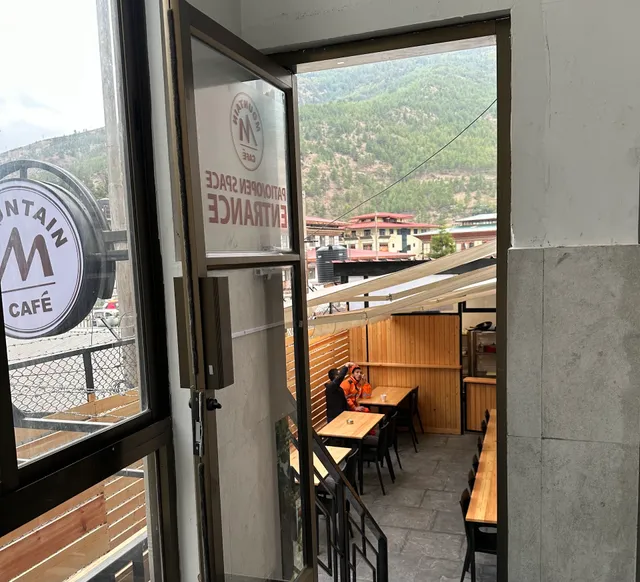
Mountain Cafe - Thimphu
Mountain Cafe - ThimphuMountain Cafe - Thimphu