

HTML SitemapExplore
logo
Find Things to DoFind The Best Restaurants

Bhutan: The Most Expensive Hotel I’ve Ever Stayed In

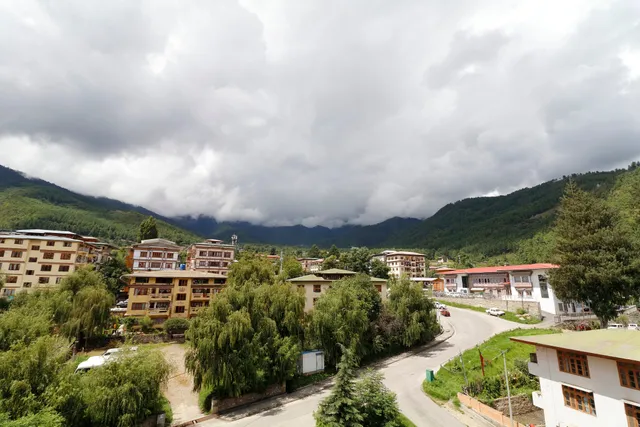
1. Checking into Bhutan’s most expensive hotel felt less like a reservation and more like stepping into a carefully guarded secret. Tucked into a private valley outside Paro, accessible only via a winding road lined with prayer flags and stone chortens, it wasn’t just a place to sleep—it was a masterclass in luxury rooted in Bhutanese soul. The first glimpse stole my breath: traditional dzong-style villas with golden roofs, each nested between pine forests and a glacial stream, their windows framing views of Jomolhari’s snow-capped peak. From the moment a monk greeted me with a *khadar* (white silk scarf) and a whispered blessing, I knew this wasn’t just “expensive”—it was a portal to a world few ever see. 🏡⛰️🎁 2. My villa was a study in understated opulence. Hand-carved wooden beams, etched with dragons and mantras, soared above a king-size bed draped in yak-wool blankets. Floor-to-ceiling windows opened to a private terrace, where a hot stone bath waited, filled with water scented with juniper picked that morning. The bathroom? Marble and copper, with a rain shower that mimicked mountain downpours and toiletries made from local herbs—think rhododendron oil and honey from nearby hives. But the real luxury? Silence. No phones, no TVs, just the rush of the stream and the occasional call of a Himalayan monal, Bhutan’s national bird. 🛁🪵🦚 3. The experiences included in the price redefined “bespoke.” Each morning, a private guide arrived to tailor the day: one dawn, we hiked to a hidden lhakhang (temple) where a monk taught me to spin a 400-year-old prayer wheel; another afternoon, a master chef led me to the hotel’s organic farm to pick chilies for *ema datshi*, which we cooked together over a wood fire. Even meals felt sacred: dinners in a glass-walled pavilion, where dishes like truffle-infused *sha phaley* (fried meat pies) and saffron *puta* (noodles) were paired with Bhutanese *ara* aged in oak casks. By night, a astronomer set up a telescope on the lawn, pointing out constellations as we sipped butter tea laced with local honey. 👩🍳🔭🍯 4. What justified the price tag? It wasn’t just the amenities—it was the exclusivity. With only six villas, the hotel never felt crowded; staff remembered my name, my preference for *suja* (butter tea) with extra salt, even the way I liked my bathwater (hot, but not scalding). More than that, it was the connection to Bhutan’s heart. The hotel employed local artisans, sourced 90% of its ingredients from nearby farms, and funded a school in the valley. Staying here wasn’t just indulgence—it was participation in preserving a culture. As the manager put it: “Luxury in Bhutan isn’t about gold taps. It’s about access to moments that money can’t buy elsewhere.” 💛🏫🛖 5. By checkout, the cost felt like a small price for a week that blurred luxury with spirituality. I left with a handwritten note from the chef, a vial of that juniper oil, and memories that still glow: the way the bathwater steamed against the snow-capped peak at sunset, the monk’s laugh as I fumbled the prayer wheel, the taste of honey straight from the hive. In Bhutan, the most expensive hotel wasn’t just a place to stay. It was a reminder that true luxury is feeling deeply, authentically connected—to a place, its people, and yourself. ✨🇧🇹💫 #BhutanTravelGuide #SlowLiving #TeaMoments #LuxuryRetreats
Related posts
Best Budget Bites in Lumbini: This Spot Delivers 🍛Bhutan’s Amankora: 5 Resorts, Food Rated Honestly 🥢Spring in Bhutan: A Guide to the Country’s Most Vibrant Season 🌸Bhutan - Tiger's Nest Monastery 😘Lumbini’s Best Deal: Tasty, Cheap Eats Here 🍴Bhutan: The Most Expensive Hotel I’ve Ever Stayed In
Belinda Elliott
Belinda Elliott
4 months ago
Belinda Elliott
Belinda Elliott
4 months ago
no-comment

No one has commented yet...

Bhutan: The Most Expensive Hotel I’ve Ever Stayed In

1. Checking into Bhutan’s most expensive hotel felt less like a reservation and more like stepping into a carefully guarded secret. Tucked into a private valley outside Paro, accessible only via a winding road lined with prayer flags and stone chortens, it wasn’t just a place to sleep—it was a masterclass in luxury rooted in Bhutanese soul. The first glimpse stole my breath: traditional dzong-style villas with golden roofs, each nested between pine forests and a glacial stream, their windows framing views of Jomolhari’s snow-capped peak. From the moment a monk greeted me with a *khadar* (white silk scarf) and a whispered blessing, I knew this wasn’t just “expensive”—it was a portal to a world few ever see. 🏡⛰️🎁 2. My villa was a study in understated opulence. Hand-carved wooden beams, etched with dragons and mantras, soared above a king-size bed draped in yak-wool blankets. Floor-to-ceiling windows opened to a private terrace, where a hot stone bath waited, filled with water scented with juniper picked that morning. The bathroom? Marble and copper, with a rain shower that mimicked mountain downpours and toiletries made from local herbs—think rhododendron oil and honey from nearby hives. But the real luxury? Silence. No phones, no TVs, just the rush of the stream and the occasional call of a Himalayan monal, Bhutan’s national bird. 🛁🪵🦚 3. The experiences included in the price redefined “bespoke.” Each morning, a private guide arrived to tailor the day: one dawn, we hiked to a hidden lhakhang (temple) where a monk taught me to spin a 400-year-old prayer wheel; another afternoon, a master chef led me to the hotel’s organic farm to pick chilies for *ema datshi*, which we cooked together over a wood fire. Even meals felt sacred: dinners in a glass-walled pavilion, where dishes like truffle-infused *sha phaley* (fried meat pies) and saffron *puta* (noodles) were paired with Bhutanese *ara* aged in oak casks. By night, a astronomer set up a telescope on the lawn, pointing out constellations as we sipped butter tea laced with local honey. 👩🍳🔭🍯 4. What justified the price tag? It wasn’t just the amenities—it was the exclusivity. With only six villas, the hotel never felt crowded; staff remembered my name, my preference for *suja* (butter tea) with extra salt, even the way I liked my bathwater (hot, but not scalding). More than that, it was the connection to Bhutan’s heart. The hotel employed local artisans, sourced 90% of its ingredients from nearby farms, and funded a school in the valley. Staying here wasn’t just indulgence—it was participation in preserving a culture. As the manager put it: “Luxury in Bhutan isn’t about gold taps. It’s about access to moments that money can’t buy elsewhere.” 💛🏫🛖 5. By checkout, the cost felt like a small price for a week that blurred luxury with spirituality. I left with a handwritten note from the chef, a vial of that juniper oil, and memories that still glow: the way the bathwater steamed against the snow-capped peak at sunset, the monk’s laugh as I fumbled the prayer wheel, the taste of honey straight from the hive. In Bhutan, the most expensive hotel wasn’t just a place to stay. It was a reminder that true luxury is feeling deeply, authentically connected—to a place, its people, and yourself. ✨🇧🇹💫 #BhutanTravelGuide #SlowLiving #TeaMoments #LuxuryRetreats

Thimphu
Thimphu Deluxe
Thimphu DeluxeThimphu Deluxe