

HTML SitemapExplore

The Absence of Japanese Tourists at Pearl Harbor Memorial

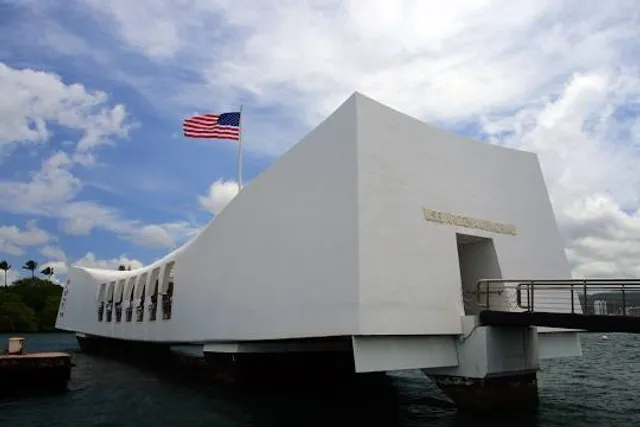
Hawaii is a quintessential paradise for Japanese travelers—its streets lined with Japanese signage, restaurants offering familiar menus, and luxury boutiques catering to their shopping habits. Waikīkī Beach often feels like an "overseas extension of Japan," with Japanese tourists making up a significant portion of Hawaii’s annual visitors17. Yet, one place remains conspicuously devoid of Japanese visitors: Pearl Harbor. Why Japanese Tourists Avoid Pearl Harbor Painful Historical Memory The 1941 attack on Pearl Harbor, which killed over 2,400 Americans and sank the USS Arizona, remains a deeply sensitive topic in Japan. While Japan’s war narratives focus on its own suffering (Hiroshima, Nagasaki, firebombings), Pearl Harbor represents a "victory" they rarely discuss1. The USS Arizona still leaks oil into the harbor—referred to as "the ship’s tears"—a visceral reminder of the war’s enduring scars2. Cultural Discomfort Exhibits at Pearl Harbor museums present the war from an American perspective, emphasizing Japan’s aggression and defeat1. Displays like the Bowfin submarine, which sank Japanese civilian ships, or the Pacific Aviation Museum’s Zero fighter (used in the Pearl Harbor attack), evoke unease2. Tourism vs. Historical Confrontation Many Japanese visitors prefer to enjoy Hawaii purely as a tropical getaway, avoiding reminders of wartime hostilities1. A Japanese-American tour guide at the Pacific Aviation Museum noted: "They come as tourists, not to revisit history."1 Pearl Harbor’s Efforts to Welcome Japanese Visitors Despite the reluctance, Pearl Harbor’s museums offer: Japanese-language guides and brochures Neutral historical framing, focusing on reconciliation Free Japanese audio tours at the USS Missouri (where Japan surrendered in 1945)2 Yet, these efforts haven’t significantly increased Japanese visitation. A Lingering Divide While younger generations may view Pearl Harbor as distant history, older Japanese tourists—many with personal or familial ties to WWII—still find it emotionally charged. As one Japanese visitor remarked: "The Arizona isn’t just history—it’s still bleeding. That’s not something you can easily face."1 #HawaiiTravel #PearlHarbor #JapaneseTourists #WWIIHistory #TravelObservations
Related posts
Iolani Palace: America's Only Royal ResidenceHanauma Bay Nature Preserve: Oahu's Premier Snorkeling Paradise 🤿Koko Crater Railway Trailhead (2025 Guide) - Oahu's Most Brutal & RewaWaikīkī Aquarium: A Historic Gem of Marine ConservationHawaii Day 7 (Morning at Hanauma Bay)Diamond Head Crater Hike: Hawaii's Must-Do Volcanic Adventure! 🌋
Penelope Gianna
Penelope Gianna
6 months ago
Penelope Gianna
Penelope Gianna
6 months ago
no-comment

No one has commented yet...

The Absence of Japanese Tourists at Pearl Harbor Memorial

Hawaii is a quintessential paradise for Japanese travelers—its streets lined with Japanese signage, restaurants offering familiar menus, and luxury boutiques catering to their shopping habits. Waikīkī Beach often feels like an "overseas extension of Japan," with Japanese tourists making up a significant portion of Hawaii’s annual visitors17. Yet, one place remains conspicuously devoid of Japanese visitors: Pearl Harbor. Why Japanese Tourists Avoid Pearl Harbor Painful Historical Memory The 1941 attack on Pearl Harbor, which killed over 2,400 Americans and sank the USS Arizona, remains a deeply sensitive topic in Japan. While Japan’s war narratives focus on its own suffering (Hiroshima, Nagasaki, firebombings), Pearl Harbor represents a "victory" they rarely discuss1. The USS Arizona still leaks oil into the harbor—referred to as "the ship’s tears"—a visceral reminder of the war’s enduring scars2. Cultural Discomfort Exhibits at Pearl Harbor museums present the war from an American perspective, emphasizing Japan’s aggression and defeat1. Displays like the Bowfin submarine, which sank Japanese civilian ships, or the Pacific Aviation Museum’s Zero fighter (used in the Pearl Harbor attack), evoke unease2. Tourism vs. Historical Confrontation Many Japanese visitors prefer to enjoy Hawaii purely as a tropical getaway, avoiding reminders of wartime hostilities1. A Japanese-American tour guide at the Pacific Aviation Museum noted: "They come as tourists, not to revisit history."1 Pearl Harbor’s Efforts to Welcome Japanese Visitors Despite the reluctance, Pearl Harbor’s museums offer: Japanese-language guides and brochures Neutral historical framing, focusing on reconciliation Free Japanese audio tours at the USS Missouri (where Japan surrendered in 1945)2 Yet, these efforts haven’t significantly increased Japanese visitation. A Lingering Divide While younger generations may view Pearl Harbor as distant history, older Japanese tourists—many with personal or familial ties to WWII—still find it emotionally charged. As one Japanese visitor remarked: "The Arizona isn’t just history—it’s still bleeding. That’s not something you can easily face."1 #HawaiiTravel #PearlHarbor #JapaneseTourists #WWIIHistory #TravelObservations

East Honolulu
Pearl Harbor National Memorial
Pearl Harbor National MemorialPearl Harbor National Memorial