
HTML SitemapExplore
logo
Find Things to DoFind The Best Restaurants

This 300-Mile Highway Links California's Historic Gold Rush Towns—And Makes A Great Summer Roadtrip

If you’re a fan of [California history](https://secretlosangeles.com/vintage-photographs-los-angeles/), chances are you’ve heard of **State Route 49**, also known as Highway 49, the Golden Chain Highway, or the Gold Rush Trail. This famous route winds **through the heart of California’s Gold Country**, connecting dozens of well-preserved towns that were central to the Gold Rush era of 1848 to 1855. Highway 49 is named after the “49ers,” who were the fortune seekers who flocked to California during the Gold Rush. In fact, California’s state route signs are all in the shape of a miner’s spade to pay tribute to this legacy. The highway still **follows the original trail taken by gold seekers**, navigating through the historic Mother Lode region where many towns retain their 19th-century charm and character. Best Gold Rush towns on Highway 49 ---------------------------------- Highway 49 begins in the south at Oakhurst, about 14 miles south of [Yosemite National Park](https://secretlosangeles.com/yosemite-waterfalls/), and winds its way north for **307 miles through California’s scenic Sierra Nevada Foothills.** The route travels through the heart of Gold Country, eventually reaching its northernmost point in Vinton, a small town near the California-Nevada border just north of Reno. Keep reading for an overview of the **most essential stops** along the Gold Rush Trail. * **Downieville** – Scotsman William Downie and a group of African American miners established Downieville along the Yuba River. It’s a gateway to The Lost Sierra, a region known for its pristine wilderness and great hiking and biking trails. * **Nevada City** – The downtown area of Nevada City has numerous beautifully preserved Gold Rush-era buildings, which make for a magical backdrop during the annual [Victorian Christmas celebration](https://secretsanfrancisco.com/victorian-christmas-california-nevada-city/). * [**Grass Valley**](https://secretlosangeles.com/grass-valley-california-gold-rush-road-trip/) – Once the state’s richest and most famous gold-mining district, Grass Valley is also renowned for its massive underground quartz mines and Cornish heritage. Visitors can explore the Empire Mine State Historic Park, which has original mine buildings and a preserved mine shaft. * **Auburn** – Auburn was a major express and supply hub during the Gold Rush, and its 19th-century charm still comes through today. * **Coloma** – Home to Marshall Gold Discovery State Historic Park, where James W. Marshall first discovered gold in 1848. Visitors can see historic buildings, a replica of Sutter’s Mill, and interpretive exhibits. * **Placerville** – Known as “Hangtown” for its rough Gold Rush-era past, Placerville is the region’s only town with a municipally-owned gold mine. * [**Amador City**](https://secretsanfrancisco.com/amador-city-ca/) – California’s smallest city by land area, Amador has a handful of historic buildings and a Gold Rush museum. * **Sutter Creek** – This humble mining camp turned thriving boomtown is known for its well-preserved Main Street, which has original brick buildings and historic mansions. * **Angels Camp** – Amador City was one of CA’s wealthiest mining districts, and it’s still known for the epic [Calaveras Frog Jumping Jubilee](https://secretsanfrancisco.com/calaveras-frog-jumping-contest/) in May, which is inspired by a famous Mark Twain story. * **Columbia** – Home to Columbia State Historic Park, this living history park contains California’s largest collection of Gold Rush-era buildings. Check out a recreated 19th-century mining town complete with costumed performers. * **Sonora** – Known as the “Queen of the Southern Mines,” Sonora was founded by Mexican miners from Sonora, Mexico. * **Jamestown** – Nicknamed the “Gateway to the Mother Lode,” Jamestown’s premier Gold Rush experience can be found at Railtown 1897 State Historic Park, where visitors can ride an antique steam locomotive or pan for gold. Even though Highway 49 may not be as famous as Pacific Coast Highway or Highway 1, it’s an **underrated [road trip](https://secretlosangeles.com/road-trips-from-los-angeles/) option** for lovers of California history. The 307-mile route takes travelers through the scenic Sierra Nevada Foothills for a voyage through time that captures the spirit of the Gold Rush. Source: [https://secretlosangeles.com/highway-49-california-gold-rush-road-trip/](https://secretlosangeles.com/highway-49-california-gold-rush-road-trip/)

Related posts
Los Angeles | Super Chill Flower-Filled Bistro 🌺🍺LA Metro Celebrates New Biking Path With Free Community Ride – Here's How To JoinCrystal Cathedral in Irvine – Like a Sky Full of Stars Held in Glass ✨​​🌟 Holbox - LA’s Most Affordable Michelin Star (And It Slaps!)​​ 🦐✨🌴 8 SoCal Beaches to Hit This Weekend! 🏖️Korean Restaurant with Amazing Side Dishes (Menu Included)
secret fun LA
secret fun LA
6 months ago
secret fun LA
secret fun LA
6 months ago
no-comment

No one has commented yet...

This 300-Mile Highway Links California's Historic Gold Rush Towns—And Makes A Great Summer Roadtrip

If you’re a fan of California history, chances are you’ve heard of State Route 49 , also known as Highway 49, the Golden Chain Highway, or the Gold Rush Trail. This famous route winds through the heart of California’s Gold Country , connecting dozens of well-preserved towns that were central to the Gold Rush era of 1848 to 1855. Highway 49 is named after the “49ers,” who were the fortune seekers who flocked to California during the Gold Rush. In fact, California’s state route signs are all in the shape of a miner’s spade to pay tribute to this legacy. The highway still follows the original trail taken by gold seekers , navigating through the historic Mother Lode region where many towns retain their 19th-century charm and character. Best Gold Rush towns on Highway 49 ---------------------------------- Highway 49 begins in the south at Oakhurst, about 14 miles south of Yosemite National Park, and winds its way north for 307 miles through California’s scenic Sierra Nevada Foothills. The route travels through the heart of Gold Country, eventually reaching its northernmost point in Vinton, a small town near the California-Nevada border just north of Reno. Keep reading for an overview of the most essential stops along the Gold Rush Trail. * Downieville – Scotsman William Downie and a group of African American miners established Downieville along the Yuba River. It’s a gateway to The Lost Sierra, a region known for its pristine wilderness and great hiking and biking trails. * Nevada City – The downtown area of Nevada City has numerous beautifully preserved Gold Rush-era buildings, which make for a magical backdrop during the annual Victorian Christmas celebration. * **Grass Valley** – Once the state’s richest and most famous gold-mining district, Grass Valley is also renowned for its massive underground quartz mines and Cornish heritage. Visitors can explore the Empire Mine State Historic Park, which has original mine buildings and a preserved mine shaft. * Auburn – Auburn was a major express and supply hub during the Gold Rush, and its 19th-century charm still comes through today. * Coloma – Home to Marshall Gold Discovery State Historic Park, where James W. Marshall first discovered gold in 1848. Visitors can see historic buildings, a replica of Sutter’s Mill, and interpretive exhibits. * Placerville – Known as “Hangtown” for its rough Gold Rush-era past, Placerville is the region’s only town with a municipally-owned gold mine. * **Amador City** – California’s smallest city by land area, Amador has a handful of historic buildings and a Gold Rush museum. * Sutter Creek – This humble mining camp turned thriving boomtown is known for its well-preserved Main Street, which has original brick buildings and historic mansions. * Angels Camp – Amador City was one of CA’s wealthiest mining districts, and it’s still known for the epic Calaveras Frog Jumping Jubilee in May, which is inspired by a famous Mark Twain story. * Columbia – Home to Columbia State Historic Park, this living history park contains California’s largest collection of Gold Rush-era buildings. Check out a recreated 19th-century mining town complete with costumed performers. * Sonora – Known as the “Queen of the Southern Mines,” Sonora was founded by Mexican miners from Sonora, Mexico. * Jamestown – Nicknamed the “Gateway to the Mother Lode,” Jamestown’s premier Gold Rush experience can be found at Railtown 1897 State Historic Park, where visitors can ride an antique steam locomotive or pan for gold. Even though Highway 49 may not be as famous as Pacific Coast Highway or Highway 1, it’s an underrated [road trip](https://secretlosangeles.com/road-trips-from-los-angeles/) option for lovers of California history. The 307-mile route takes travelers through the scenic Sierra Nevada Foothills for a voyage through time that captures the spirit of the Gold Rush. Source: https://secretlosangeles.com/highway-49-california-gold-rush-road-trip/
Los Angeles
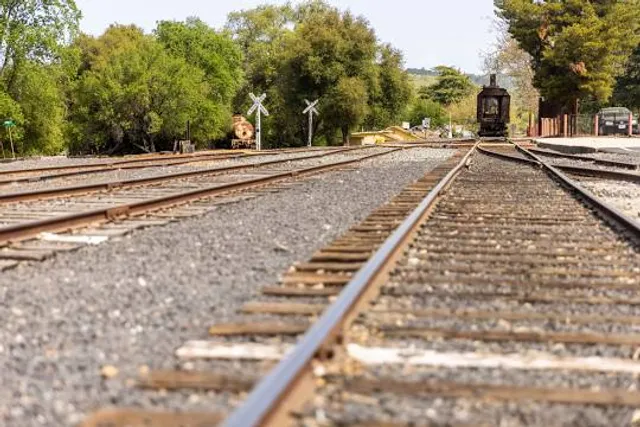
Railtown 1897 State Historic Park
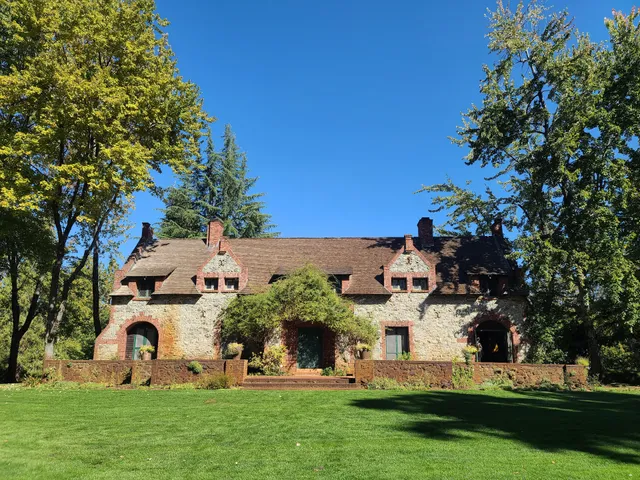
Empire Mine State Historic Park
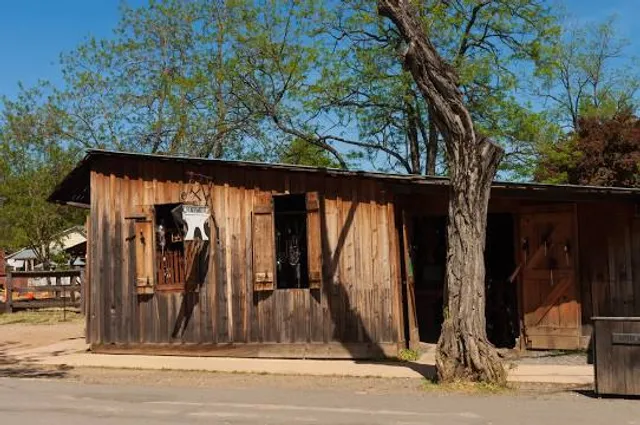
Columbia State Historic Park
Railtown 1897 State Historic ParkRailtown 1897 State Historic ParkEmpire Mine State Historic ParkEmpire Mine State Historic ParkColumbia State Historic ParkColumbia State Historic Park