This Charming Upstate NY Town Was Once Known As ‘Little Sweden’ — And You Can Still See (And Taste) The Legacy Today
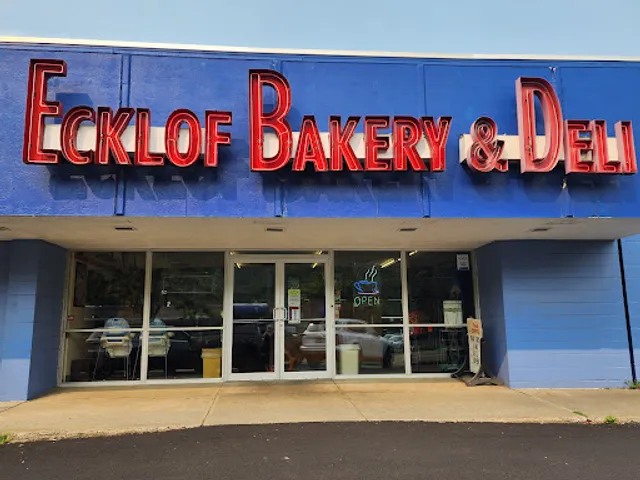
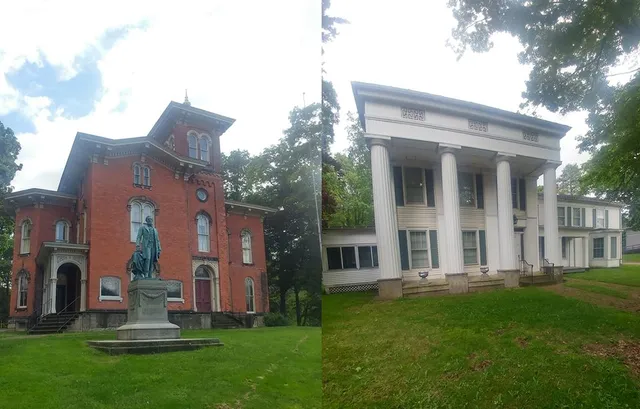
Long before Jamestown, New York was known for comedy legends and lakeside weekends, it was something else entirely: one of the most Swedish places in America . In the late 19th and early 20th centuries, Swedish was spoken on its streets, sung in its churches, and echoed through its factories. Immigrants from Sweden didn’t just pass through this small Western New York city—they built it , turning Jamestown into a furniture-making powerhouse and a cultural stronghold so Scandinavian that historians once called it the most Swedish city in the eastern U.S . Today, that chapter of history hasn’t disappeared. It’s still written into family names, brick churches, bakeries, and one wildly beloved summer festival that transforms downtown into a Nordic celebration. Here’s how Jamestown became “Little Sweden” in Upstate New York —and how you can still see (and taste) that legacy today. How Jamestown became one of America’s most Swedish towns -------------------------------------------------------- Jamestown’s Swedish roots trace back to the mid-1800s, when waves of immigrants arrived in New York City and traveled inland along the Erie Canal corridor in search of affordable land and steady wor k. By around 1860, nearly 1,000 Swedes had settled in and around Jamestown according to historians—an unusually high concentration for the East Coast. The region’s forests, lakes, and rolling hills felt familiar to newcomers from southern and central Sweden, while cheap land and growing industry made it easy to put down roots. Those early settlers didn’t just stay—they wrote letters home praising the area, triggering chain migration that steadily turned Jamestown into a Scandinavian enclave. By the early 20th century, the town had earned a reputation for having one of the highest proportions of Swedish Americans east of the Midwest , according to The Post-Journal. The Swedish workers who built Jamestown’s identity -------------------------------------------------- Swedish immigrants brought highly sought-after woodworking and carpentry skills, which helped fuel Jamestown’s rise as a furniture-making capital . According to the American Swedish Historical Museum, between the Civil War and World War I, Swedes founded dozens of furniture factories, helping Jamestown become the second-largest furniture producer in the country at its peak . By around 1920, historians estimate that roughly 75% of Jamestown businesses were founded by Swedes or people of Swedish descent —a staggering figure for a small Upstate city. Swedish influence extended beyond factories too. Churches anchored the community, with Swedish Methodist and Lutheran congregations forming as early as the 1850s. Some of the city’s most striking religious buildings, including First Lutheran Church —often called the “Cathedral of the Southern Tier”—stand today as architectural reminders of that era. For decades, Jamestown functioned less like a melting pot and more like a cultural island, where Swedish language, customs, and traditions shaped everyday life. The Scandinavian Folk Festival that keeps the culture alive ----------------------------------------------------------- Jamestown’s most visible expression of its Nordic roots arrives each summer with the [Scandinavian Folk Festival](https://www.scandinavianjamestown.org/) , now in its 20+ year run. Held in downtown Jamestown, the festival turns the city into a full-blown celebration of Swedish and Scandinavian culture , complete with traditional folk costumes, live music, dance performances, crafts, and heritage displays . Food is a major draw: visitors can sample Swedish sausage, rye bread, pickled favorites, and endless cups of coffee , all while browsing cultural booths and watching performances . Some years lean fully into pop-Scandi energy, with ABBA-themed programming, tribute concerts, and karaoke nights that feel part heritage festival, part joyful sing-along. Where Jamestown’s Swedish roots still show today ------------------------------------------------ Even outside festival season, traces of Jamestown’s Swedish past are easy to find. At Ecklof Bakery & Deli , a longtime local favorite, Swedish rye bread and the bakery’s iconic Pink Stripe Cookies offer a literal taste of the town’s immigrant history. The Fenton History Center houses a dedicated Swedish Room, filled with artifacts, photographs, and personal items brought over by early settlers. And in neighborhoods once known as “Swede Hill,” street names and historic homes still hint at Scandinavian origins, while local organizations continue genealogical work tracing Jamestown families back to specific parishes in Sweden. Together, they paint a picture of a town that hasn’t forgotten who built it—even as it’s evolved into something new. Source: https://secretnyc.co/jamestown-ny-swedish-town-upstate-ny/