

HTML SitemapExplore

Under the Hill | Musée Gallo-Romain, Lyon, France

Designed by Bernard Zehrfuss​ What was once thought impossible to build on the Fourvière Hill, Zehrfuss miraculously placed the structure at the foot of the Roman Theatre. This building blends ingeniously into its surroundings, even being partially buried in the mound, demonstrating the utmost respect for the site. 😊 Technically, this concrete underground "sanctuary" is extremely complex, yet the avant-garde scenes displayed inside are breathtaking: it is the architecture that serves the exhibits, not the other way around. The exhibition route designed by the architect echoes the light from the outside world, integrating perfectly with the archaeological site while showcasing a strong artistic expression and great freedom.​😍 Since its opening in 1975, this building has been hailed as "a masterpiece of content, container, and functional architecture," attracting widespread attention at that time.​ Nestled into the slopes of Fourvière, the Musée Gallo-Romain is a masterclass in architectural deference. Bernard Zehrfuss’s design doesn’t compete with the ancient Roman Theatre above but cradles it, with much of the museum’s concrete structure embedded into the hillside—almost as if the earth itself gently embraced the building over time. 😘 This deliberate modesty belies the engineering marvel beneath: the underground spaces, with their precise concrete vaults and cantilevered forms, required innovative solutions to support the weight of the hill while protecting the adjacent archaeological remains.​ Inside, the magic unfolds in how architecture and artifacts dance in harmony. Zehrfuss crafted a winding exhibition path that feels both intuitive and dramatic, with skylights and strategically placed apertures drawing in dappled sunlight that shifts throughout the day, highlighting the textures of Roman statues, mosaic fragments, and everyday utensils. It’s a dialogue between past and present: the rough-hewn stone of the Roman Theatre ruins peeks through in places, while the museum’s sleek concrete forms provide a contemporary backdrop that makes the ancient exhibits feel vivid and relevant.​💕 Unlike many museums where the building overshadows the collection, here, every curve and corridor serves to amplify the stories of Lugdunum—the Roman name for Lyon. Display cases are integrated into the structure, some recessed into walls, others cantilevered, creating a sense of the artifacts emerging naturally from the earth they were buried in for centuries. One standout space is the hall housing a vast Roman mosaic floor, where the museum’s low, unobtrusive ceiling and muted lighting allow the intricate patterns of gods and mythical creatures to take center stage, as if they’ve been uncovered mid-excavation.​🙌 When it opened in 1975, critics praised it as "a triumph of content, container, and function"—a building that didn’t just house history but became part of it. It redefined how archaeological museums could interact with their sites, proving that modern architecture could honor the past without mimicking it. Even today, walking through its underground galleries, you feel the weight of millennia: the hill above, the Roman Theatre’s stone seats, and Zehrfuss’s concrete chambers all converging to tell the story of Lyon’s layered identity.​👍 #ArchitecturalDesign #FranceTravel #LyonAttractions #Museums #HistoricalBuildings #ArtAndCulture #Archaeology #ArchitecturalAesthetics #FrenchArchitecture
Related posts
🥟 School Trip to the Dumpling Factory🇫🇷 Lyon in One Day: A Romantic Whirlwind ✨Lyon | Bouchon Tupin - A Taste of Authentic Lyonnais Cuisine🍷✨ Lyon's Rich Culinary DelightsAround Lyon|The Stunning Lake and Mountain Views of Aix-les-Bains🇫🇷 Lyon Food Hunt | 5-Star Recommendation: The Viral "Plate Restaura
Lucia Evans
Lucia Evans
6 months ago
Lucia Evans
Lucia Evans
6 months ago
no-comment

No one has commented yet...

Under the Hill | Musée Gallo-Romain, Lyon, France

Designed by Bernard Zehrfuss​ What was once thought impossible to build on the Fourvière Hill, Zehrfuss miraculously placed the structure at the foot of the Roman Theatre. This building blends ingeniously into its surroundings, even being partially buried in the mound, demonstrating the utmost respect for the site. 😊 Technically, this concrete underground "sanctuary" is extremely complex, yet the avant-garde scenes displayed inside are breathtaking: it is the architecture that serves the exhibits, not the other way around. The exhibition route designed by the architect echoes the light from the outside world, integrating perfectly with the archaeological site while showcasing a strong artistic expression and great freedom.​😍 Since its opening in 1975, this building has been hailed as "a masterpiece of content, container, and functional architecture," attracting widespread attention at that time.​ Nestled into the slopes of Fourvière, the Musée Gallo-Romain is a masterclass in architectural deference. Bernard Zehrfuss’s design doesn’t compete with the ancient Roman Theatre above but cradles it, with much of the museum’s concrete structure embedded into the hillside—almost as if the earth itself gently embraced the building over time. 😘 This deliberate modesty belies the engineering marvel beneath: the underground spaces, with their precise concrete vaults and cantilevered forms, required innovative solutions to support the weight of the hill while protecting the adjacent archaeological remains.​ Inside, the magic unfolds in how architecture and artifacts dance in harmony. Zehrfuss crafted a winding exhibition path that feels both intuitive and dramatic, with skylights and strategically placed apertures drawing in dappled sunlight that shifts throughout the day, highlighting the textures of Roman statues, mosaic fragments, and everyday utensils. It’s a dialogue between past and present: the rough-hewn stone of the Roman Theatre ruins peeks through in places, while the museum’s sleek concrete forms provide a contemporary backdrop that makes the ancient exhibits feel vivid and relevant.​💕 Unlike many museums where the building overshadows the collection, here, every curve and corridor serves to amplify the stories of Lugdunum—the Roman name for Lyon. Display cases are integrated into the structure, some recessed into walls, others cantilevered, creating a sense of the artifacts emerging naturally from the earth they were buried in for centuries. One standout space is the hall housing a vast Roman mosaic floor, where the museum’s low, unobtrusive ceiling and muted lighting allow the intricate patterns of gods and mythical creatures to take center stage, as if they’ve been uncovered mid-excavation.​🙌 When it opened in 1975, critics praised it as "a triumph of content, container, and function"—a building that didn’t just house history but became part of it. It redefined how archaeological museums could interact with their sites, proving that modern architecture could honor the past without mimicking it. Even today, walking through its underground galleries, you feel the weight of millennia: the hill above, the Roman Theatre’s stone seats, and Zehrfuss’s concrete chambers all converging to tell the story of Lyon’s layered identity.​👍 #ArchitecturalDesign #FranceTravel #LyonAttractions #Museums #HistoricalBuildings #ArtAndCulture #Archaeology #ArchitecturalAesthetics #FrenchArchitecture

Lyon
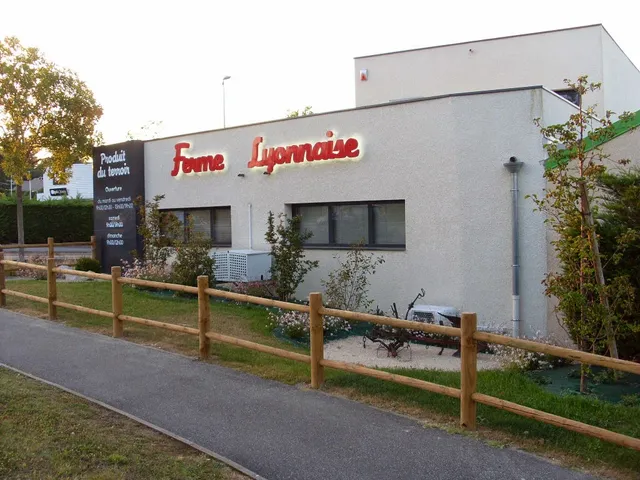
La Ferme Lyonnaise
La Ferme LyonnaiseLa Ferme Lyonnaise