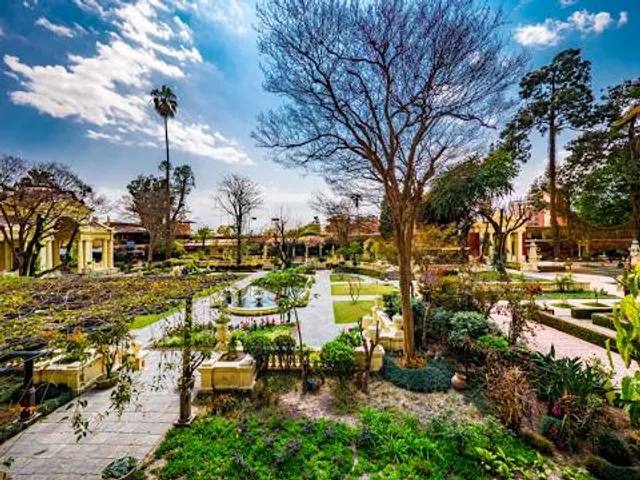

Why You Must Visit Nepal 🇳🇵✨
n Kathmandu, silence doesn’t exist. The city thrums with the roar of electric scooters �, the cries of crows and pigeons 🕊️, the chime of temple bells 🔔, and the endless shouts of street vendors. This might be one of the world’s most chaotic countries—infrastructure in shambles, roads worse than Myanmar’s, and air so thick you can’t tell if it’s sunny or just smoggy ☁️. Yet, this is also the sacred land cradled by the Himalayas 🏔️. Unlike India’s assertiveness, Nepal’s global presence is defined by tourism and pilgrimages for Hindus and Buddhists. Though once fierce (like the Gorkha invasions of Tibet under Qing rule), it’s now a place where faith outshines power. The cities are dotted with Durbar Squares, each surrounded by temples unlike anywhere in Southeast Asia, Tibet, or Han China. It’s raw and devout, much like its people—generations hardened by earthquakes, wars, and poverty, yet unwavering in their rituals before incense-filled shrines and the Living Goddess Kumari. Many dismiss Nepal for its material hardships and noise, but I say: This is life—for tens of millions here, and billions across South Asia 🌏. The world is vast, and sameness would be dull. Who’d want a monoculture of human existence? Every year, Buddhist and Hindu pilgrims flock here, circling sacred peaks like Kailash or prostrating toward Lhasa. Everest 🏔️ draws climbers—some turn back, others vanish into its snows. Backpackers and expats come too, each with their own "why." Like George Mallory’s answer about Everest: "Because it’s there." Kathmandu was supposed to greet me in August 2020, with pigeons dancing in sunset hues. The pandemic stole that. But five years later, Kathmandu still stands. Since it waits, go. Whether to Paris’s towers, Xinjiang’s grasslands, or the Atlantic’s fury—it’s all a whisper of how vast Earth is. China spans 9.6M km² (6.83% of landmass), yet the remaining 93.17% holds countless Kathmandus. #Wanderlust #TravelDiaries #Nepal #Kathmandu #VisaFreeTravel #SacredLand #Himalayas