Street food is ready-to-eat food or drink sold by a hawker, or vendor, in a street or other public place, such as at a market or fair. It is often sold from a portable food booth, food cart, or food truck and meant for immediate consumption. Some street foods are regional, but many have spread beyond their region of origin. Most street foods are classed as both finger food and fast food, and are cheaper on average than restaurant meals. According to a 2007 study from the Food and Agriculture Organization, 2.5 billion people eat street food every day.Small fried fish were a street food in ancient Greece;however, Theophrastus held the custom of street food in low regard.Evidence of a large number of street food vendors was discovered during the excavation of Pompeii.Street food was widely consumed by poor urban residents of ancient Rome whose tenement homes did not have ovens or hearths. Here, chickpea soup with bread and grain paste were common meals. In ancient China, street food generally catered to the poor, however, wealthy residents would send servants to buy street food and bring it back for them to eat in their homes. A traveling Florentine reported in the late 14th century that in Cairo, people brought picnic cloths made of rawhide to spread on the streets and sit on while they ate their meals of lamb kebabs, rice, and fritters that they had purchased from street vendors.In Renaissance Turkey, many crossroads had vendors selling "fragrant bites of hot meat", including chicken and lamb that had been spit-roasted. In 1502, Ottoman Turkey became the first country to legislate and standardize street food. Aztec marketplaces had vendors who sold beverages such as atolli ("a gruel made from maize dough"), almost 50 types of tamales (with ingredients that ranged from the meat of turkey, rabbit, gopher, frog and fish to fruits, eggs and maize flowers),as well as insects and stews.Spanish colonization brought European food stocks like wheat, sugarcane and livestock to Peru, however, most commoners continued to primarily eat their traditional diets. Imports were only accepted at the margins of their diet, for example, grilled beef hearts sold by street vendors.Some of Lima's 19th-century street vendors such as "Erasmo, the 'negro' sango vendor" and Na Aguedita are still...
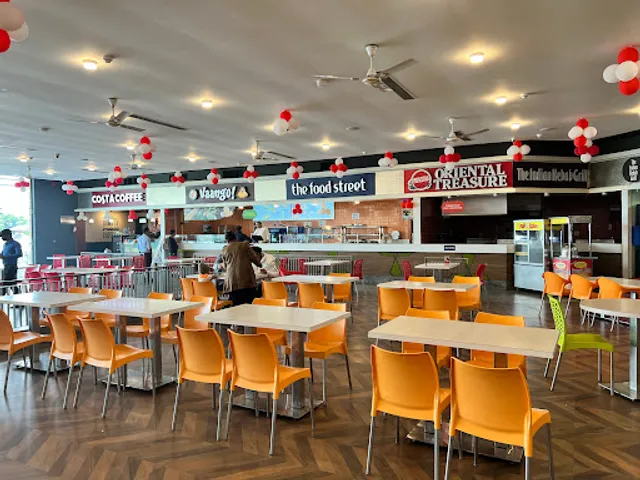
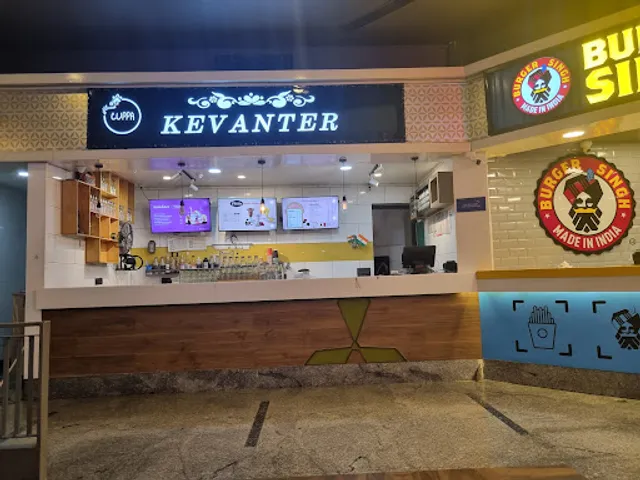
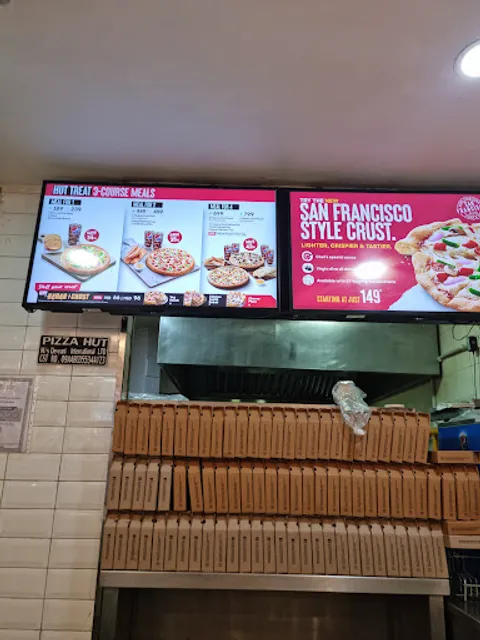
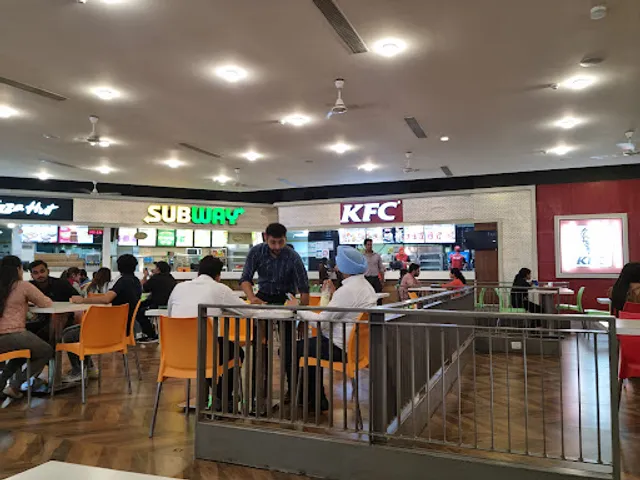
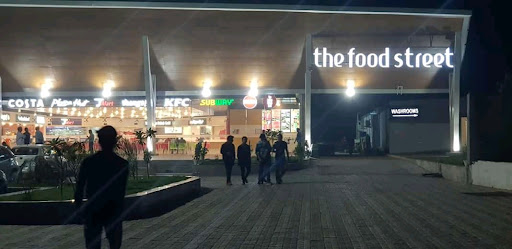
Read moreLocated on NH2 near Gla University, this establishment is a fantastic dining destination for those seeking a satisfying meal. With a range of culinary options available, including popular franchises like Subway, KFC, and Pizza Hut, the restaurant offers a diverse selection to cater to different tastes and preferences.
The quality of the meals served here is commendable, ensuring that diners can enjoy a delicious and satisfying dining experience. Whether you're in the mood for a flavorful sub sandwich from Subway, the signature fried chicken from KFC, or a mouthwatering pizza from Pizza Hut, this restaurant has something to please every palate.
Notably, this eatery serves as an excellent stopover before reaching Mathura on NH2, providing a convenient and enjoyable dining experience for travelers and locals alike. The combination of its location, variety of food options, and commitment to delivering a high-quality dining experience makes it a great choice for a meal along the...
Read moreAll stalls except Costa Coffee are good. When you visit Costa they insist you to give your name and your Mobile number. There staff posted there said that this is their Company's policy. When i ¹told him ok leave it i will not take stuff from here then they take the UPI payment without taking my details. Earlier they said they are enable to give the stuff if I not give my details. So while visiting there i recommend that not to go Costa if you go, not share your mobile number and your name, because they use that for their business purpose.. Even they told me if you want make their complaint to anybody you can do that. I enquire from all other vendors about that all said you can make direct payment through UPI, no need to give your details as asked by...
Read more