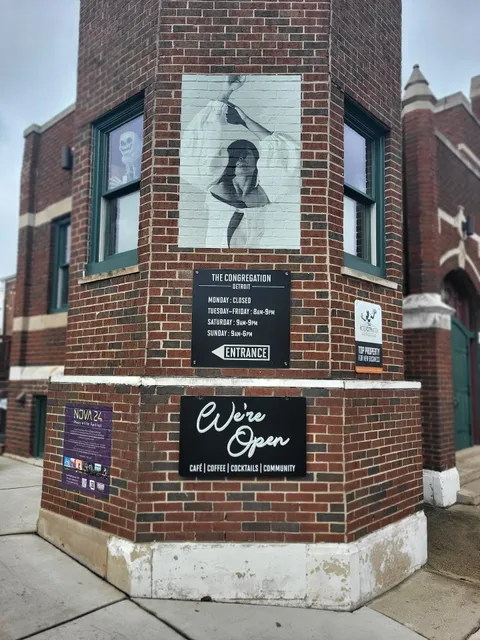
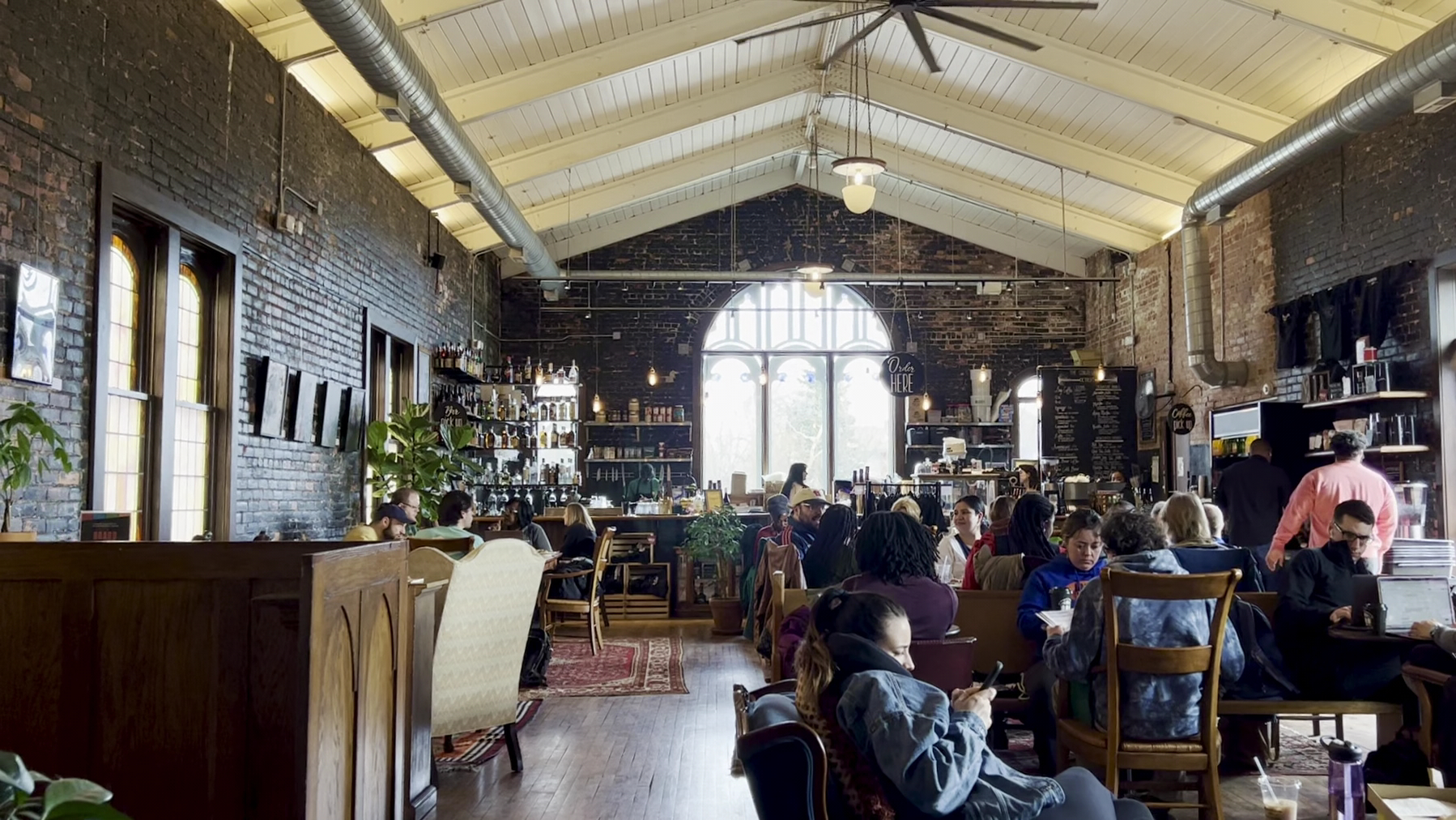
Walking into The Congregation feels like discovering Detroit's most honest conversation with its own complexity—a 1924 former church where adaptive reuse actually serves the people who live here rather than the tourists who don't.
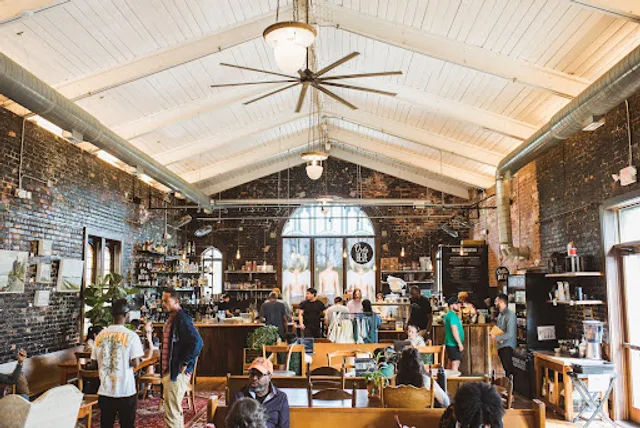
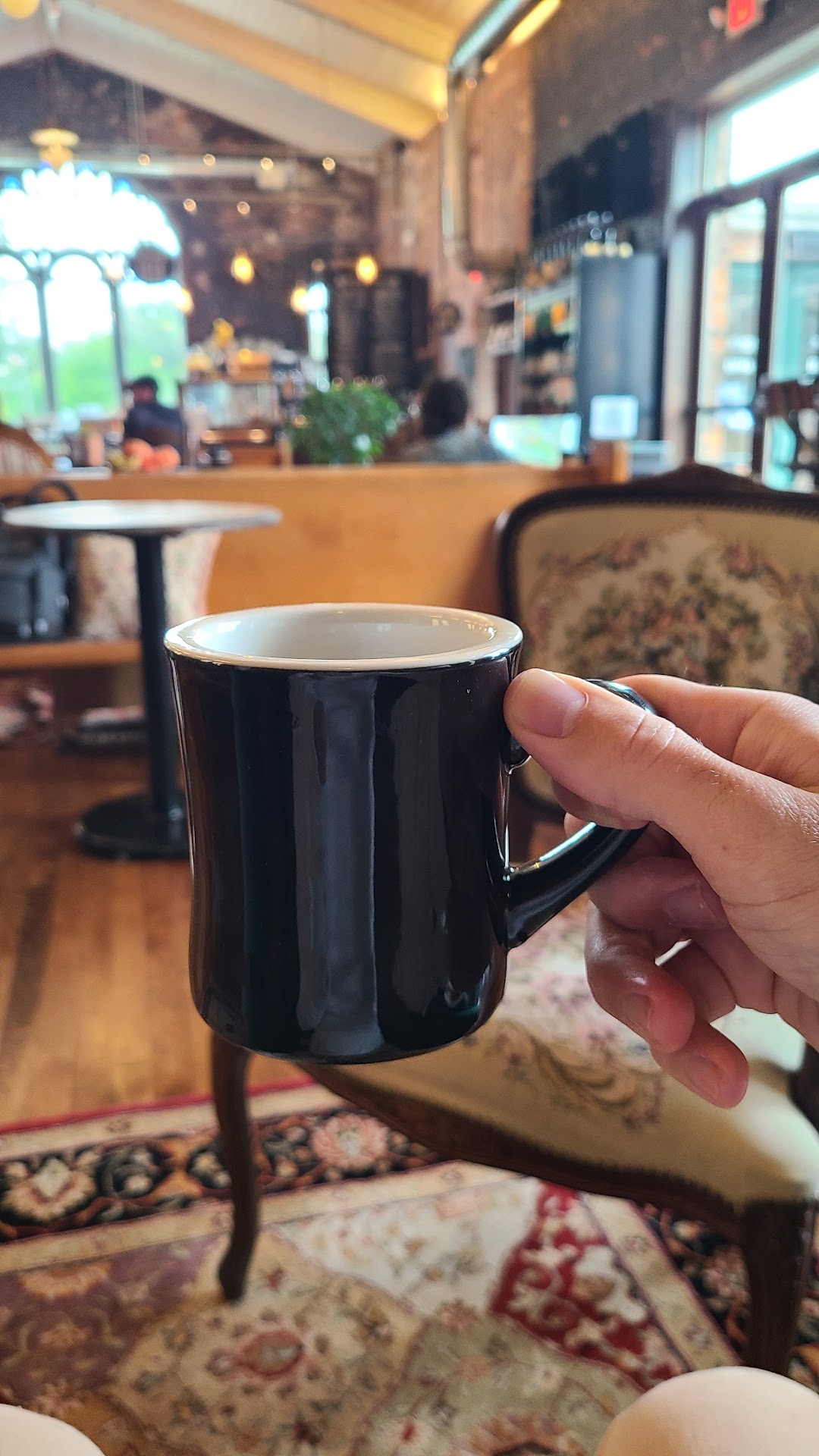
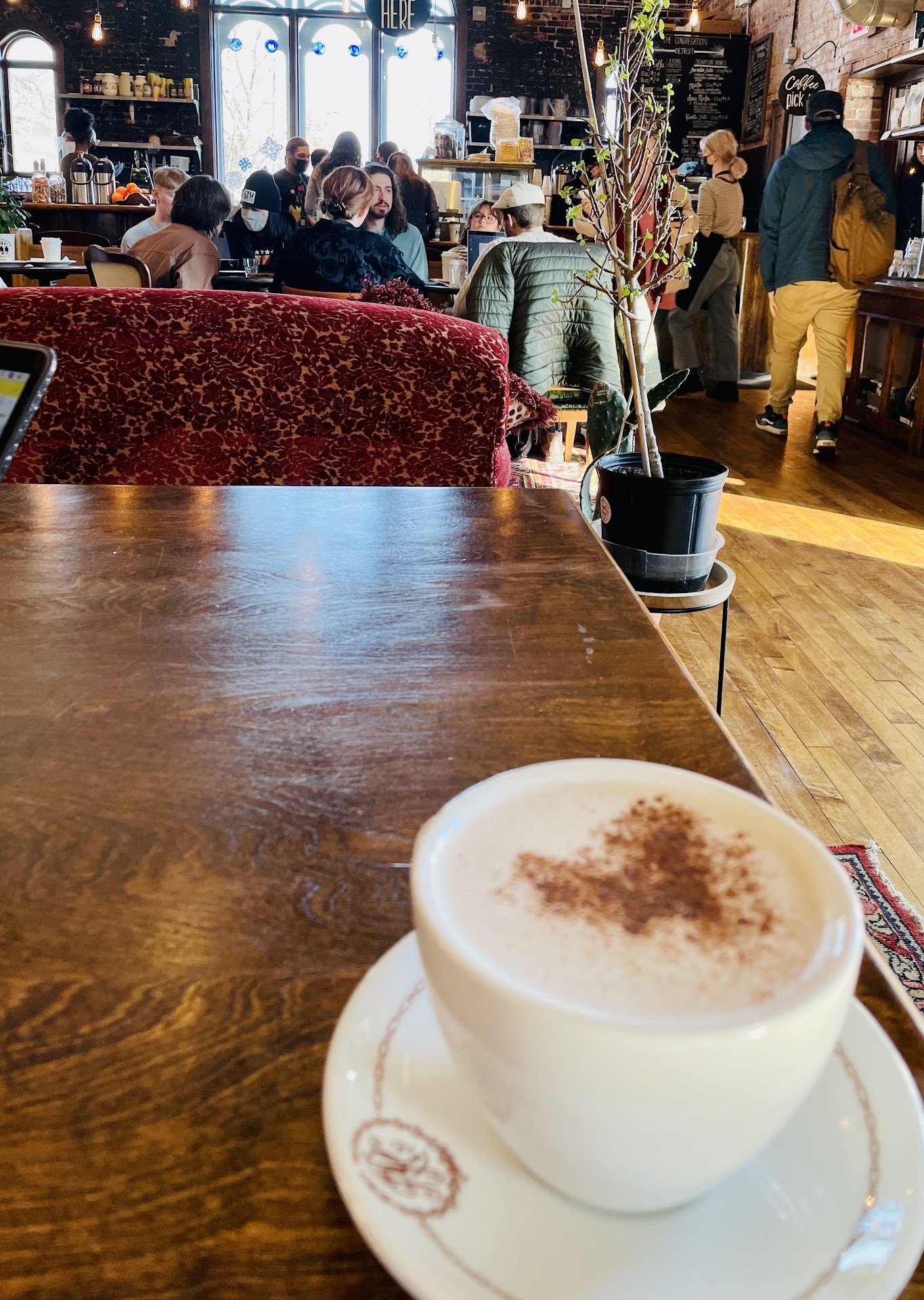
The soaring barrel-vaulted ceiling, painted white with exposed beams, creates cathedral acoustics that amplify genuine community conversations. Original maple floors gleam under Edison bulbs, while weathered brick walls showcase local art. The most striking intervention is the Nordin Brothers' stainless steel window installation—a modernist interpretation that honors the building's spiritual heritage while announcing its secular transformation.
What immediately strikes you about the clientele is its authentic diversity. During a recent packed afternoon, older white couples shared tables with young Black families, construction workers in high-vis vests chatted with laptop-wielding remote workers, and multi-generational groups suggested genuine neighborhood gathering rather than demographic performance. A server in a colorful headwrap weaves between tables with practiced efficiency, while the tattooed bartender crafts drinks with obvious pride.
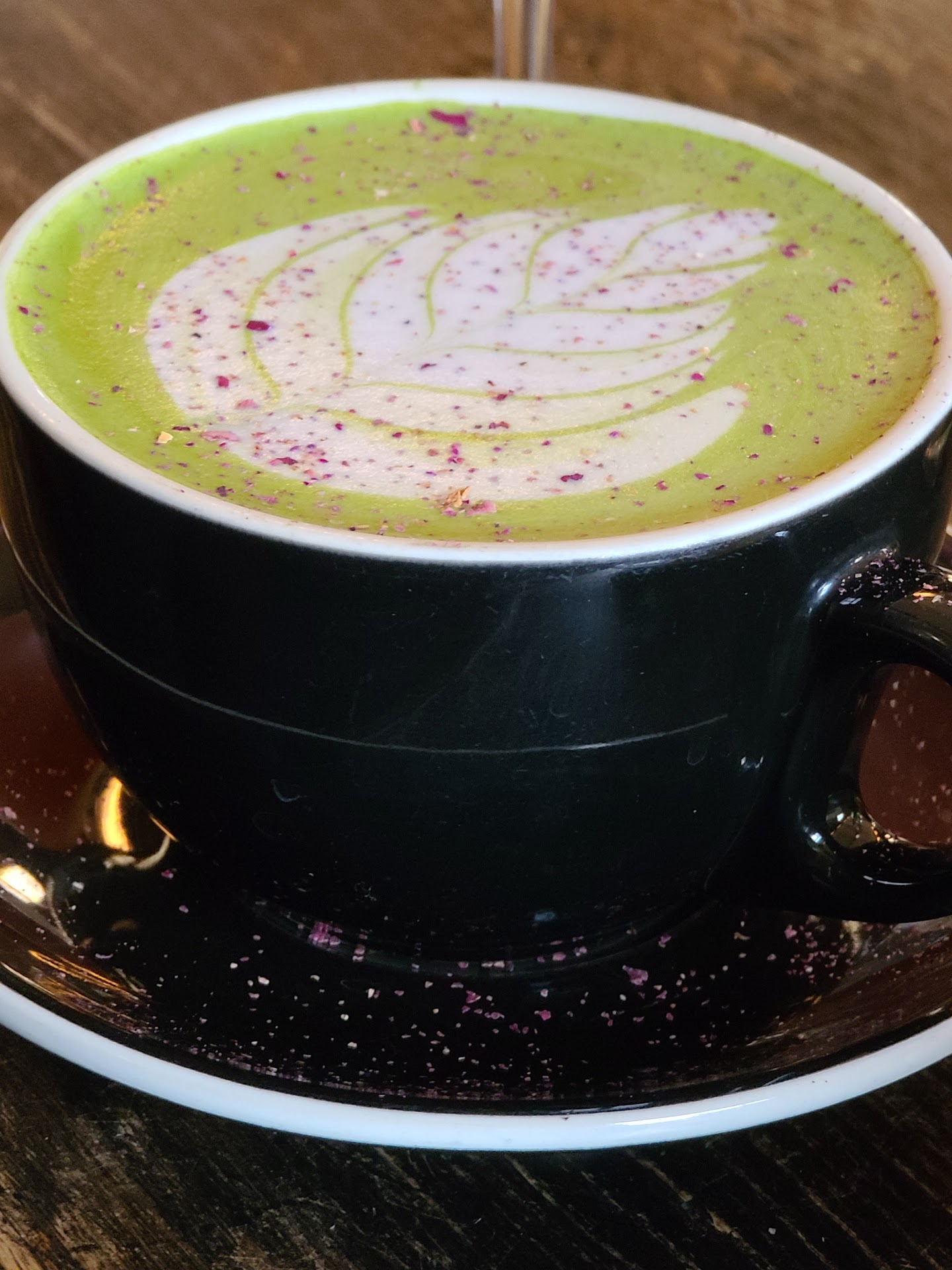
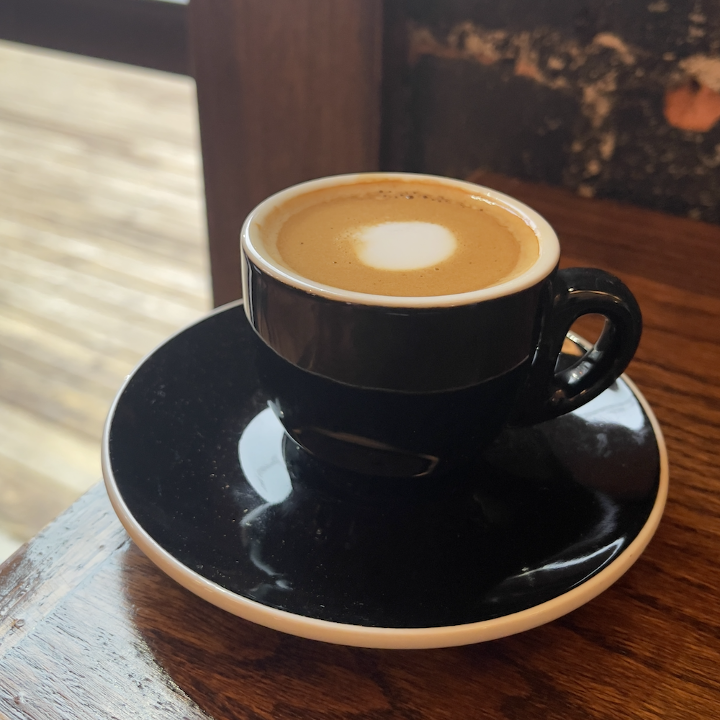
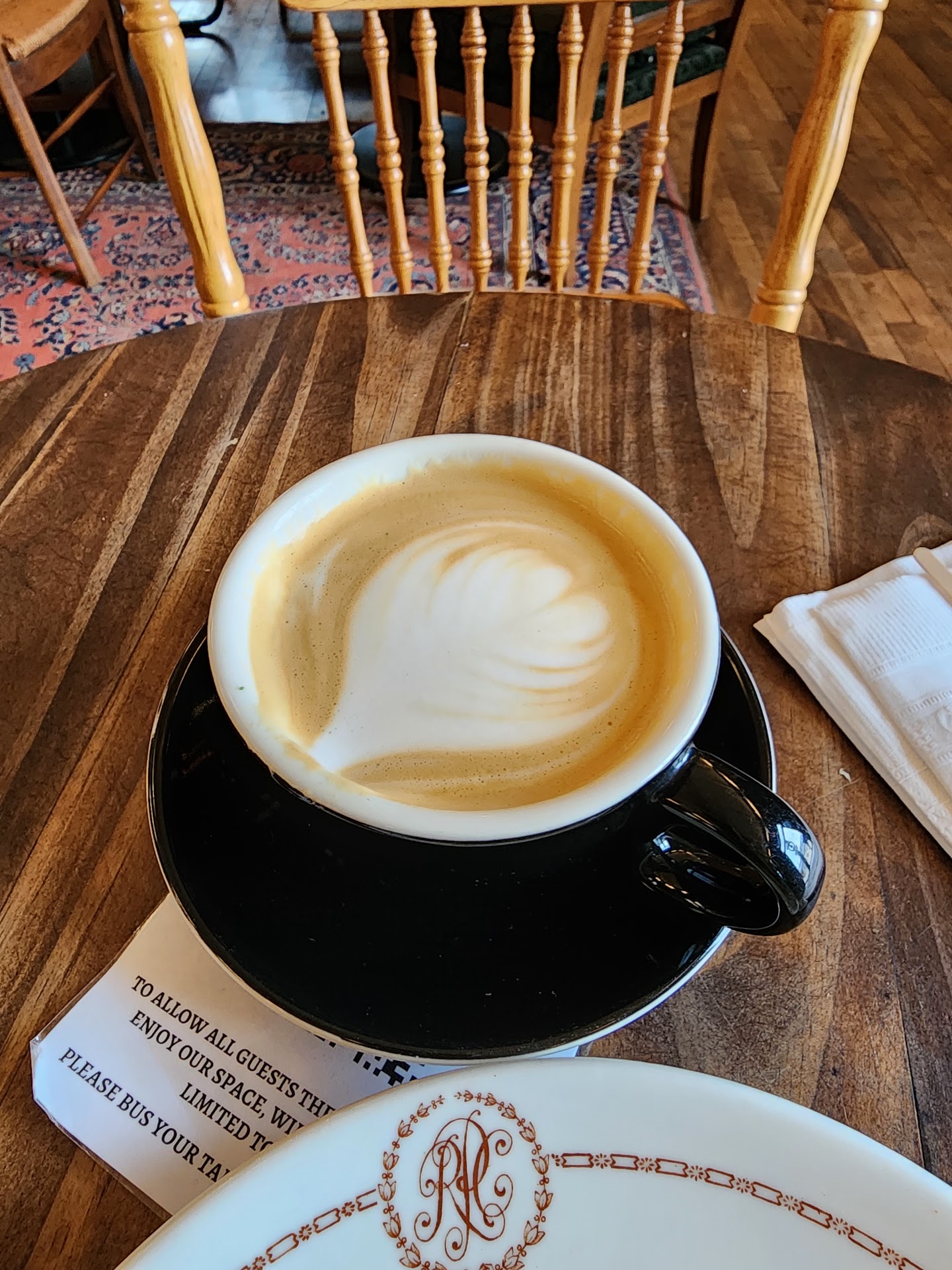
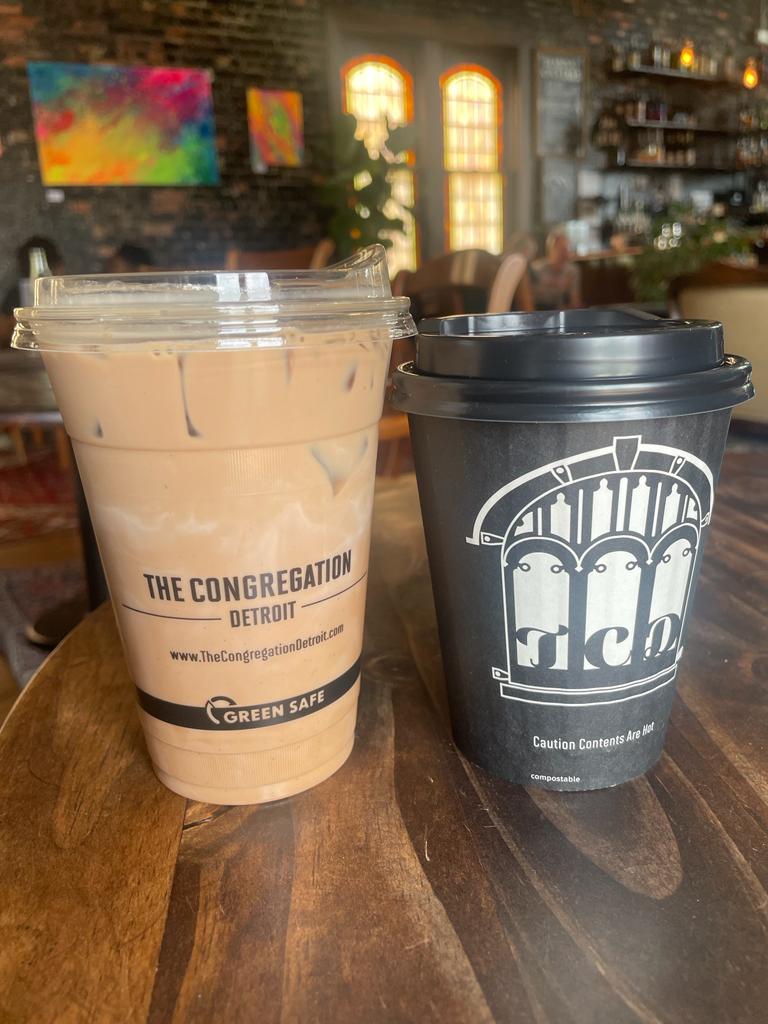
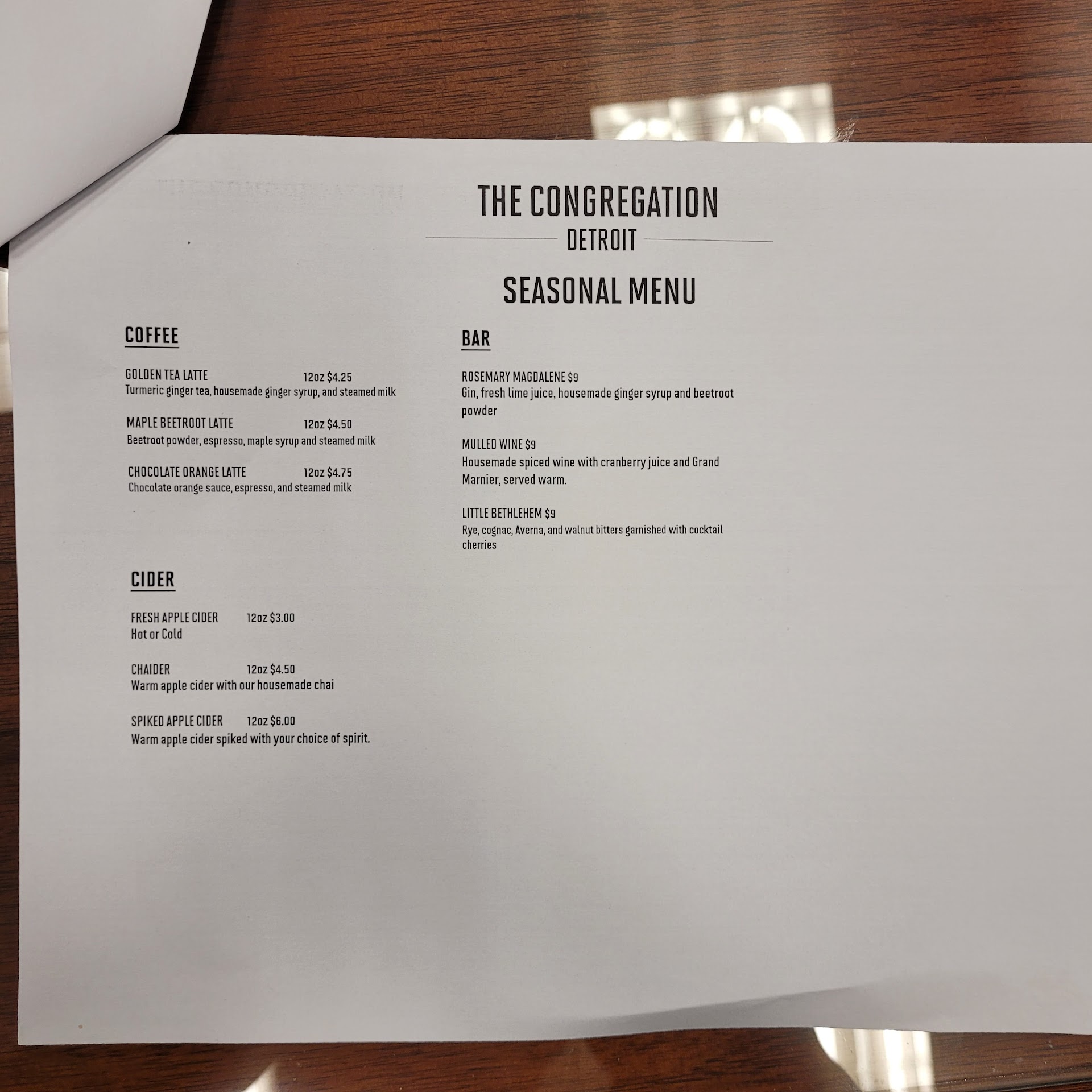
The massive chalkboard menu behind exposed brick emphasizes craft over Instagram-ability. Their iced matcha latte arrives as a pale green elixir in a tall glass—refreshing and functional rather than aesthetically precious. The beverage program features local sourcing from Great Lakes Coffee Co., while food comes from neighborhood sources like Crispelli's bread.
Located one block from where the 1967 Detroit Rebellion began, this church remarkably "remained intact and undisturbed" through five days of civil unrest that devastated Rosa Parks Boulevard. The building's survival feels less like luck than testament to its community importance—a space that has always brought people together. Former parishioners regularly visit, and as owner Betsy Murdoch notes, they're "excited to see that even though it's not a church anymore, we've kept so much of the original beauty."
The ownership model—hyperlocal investors who all live within two blocks—provides crucial counter-narrative to extractive development patterns. Co-owner Amy Peterson of Rebel Nell jewelry company and her partners represent genuine neighborhood investment rather than outside speculation. Their commitment to community programming and accessible pricing keeps this neighborhood-serving rather than destination-exclusive.
Every Thursday during summer, The Congregation hosts house music nights featuring lifelong Detroit residents as DJs, including techno pioneers like Eddie Fowlkes. This isn't cultural tourism—it's continuation of Detroit's musical heritage in a space that honors rather than exploits that legacy.
Industrial ceiling fans and exposed ductwork acknowledge practical needs while maintaining dramatic verticality. The preserved 150-year-old organ anchors the space without sentimentality.
For architecture enthusiasts wary of gentrification's cultural violence, The Congregation represents something increasingly rare: development that serves rather than displaces existing community. The $10-20 pricing remains accessible to neighborhood income levels, and the diverse afternoon crowd suggests organic integration rather than demographic engineering, making this adaptive reuse worth...
Read moreFirst time visitor. This place is charming. Great concept. Incredibly bad layout. Upon entering you are instructed by a sign to scan the QR code for the menu. It takes forever because there is no cell service. Then you approach the first counter - no one says anything to you. Then the regular behind you in line asks if you’re in line. I don’t know - I can’t download the menu and no one is there to talk to me. He kindly shares with me that I’m at the pick up line. Why would the pickup line be at the entrance instead of the ordering line? So I find the ordering line - menu finally downloads and I order a felafel wrap (very limited menu btw). The gal says - isn’t there one in the cooler? What cooler? Oh the one against the wall behind you when you walk in. So no fresh made sandwiches, got it. Grab a felafel wrap from the cooler and an 8oz soda - $14 thank you! The sandwich was dry - I don’t know if there was dressing some other place because the order taker couldn’t manage to utter more than a few words to me. I had planned to go in order a drink and a lunch - sit down and eat - but that didn’t happen. I paid. I left. Embarrassed for not knowing where anything was and fumbling about. I won’t make a special trip to go here again. Kudos to the folks who are regulars and know how to get around this confusing place void of directions. Owners - consider walking into your establishment as if you’ve never been there before -it’s pretty frustrating. Good luck though - it is a nice...
Read moreI went on a Sunday after church and got there around 12pm and it was very packed. There is no separate parking lot for the congregation so you have to do street parking. But since it’s in the middle of a neighborhood there’s no parking fee. I went to the congregation to get school work done and if you can’t focus in a setting where it’s loud with lots of people this may not be the best place especially on the weekend. I think it was even more busy since the weather was really nice for the day I went and it was a Sunday. But even though I got there at 12pm all of their pastries were sold out. So I just got a hot chocolate. When ordering you can just find your spot to sit and scan the QR code for at your seat. However, when they call your name at the front you have to go pick it up. If you didn’t hear your name and your order comes out they will walk around to try and find you. They have public Wi-Fi but you only have a trial of 2 hours. Overall I would love to visit again maybe over the weekday to see if it’s still really busy or not...
Read more