HTML SitemapExplore
logo
Find Things to DoFind The Best Restaurants

Garni temple — Attraction in Kotayk Province

Name
Garni temple
Description
Nearby attractions
Garni Historical and Cultural Museum
4P7H+PR3, Garni 2215, Armenia
Garni Gorge
Garni 2215, Armenia
Noah's Garden/Noyan Aygi
2215, 10 Marzpetuni St, Garni 2215, Armenia
Nearby restaurants
7 Qar Restaurant
Grigor Zohrap 30, Garni 2215, Armenia
Armenian cuisine
4P7H+QX7, Garni 2215, Armenia
Sergei Mot
Ալեքյան փողոց , 3, տուն 2 րդ փակուղի, Garni 2215, Armenia
G.A.T.A. House
Garni, 2215, Armenia
Abelyan's House
H3, Garni 2215, Armenia
Nearby hotels
Garni Bread House
4P8M+645, Garni 2215, Armenia
Related posts
Keywords
Garni temple tourism.Garni temple hotels.Garni temple bed and breakfast. flights to Garni temple.Garni temple attractions.Garni temple restaurants.Garni temple travel.Garni temple travel guide.Garni temple travel blog.Garni temple pictures.Garni temple photos.Garni temple travel tips.Garni temple maps.Garni temple things to do.
Garni temple things to do, attractions, restaurants, events info and trip planning
Garni temple
ArmeniaKotayk ProvinceGarni temple

Basic Info

Garni temple

4P6J+X32, Marzpetuni St, Garni 2215, Armenia
4.7(2.1K)
Open 24 hours
Save
spot

Ratings & Description

Info

Cultural
Scenic
Family friendly
Accessibility
attractions: Garni Historical and Cultural Museum, Garni Gorge, Noah's Garden/Noyan Aygi, restaurants: 7 Qar Restaurant, Armenian cuisine, Sergei Mot, G.A.T.A. House, Abelyan's House
logoLearn more insights from Wanderboat AI.
Website
mshakuyt.com

Plan your stay

hotel
Pet-friendly Hotels in Kotayk Province
Find a cozy hotel nearby and make it a full experience.
hotel
Affordable Hotels in Kotayk Province
Find a cozy hotel nearby and make it a full experience.
hotel
The Coolest Hotels You Haven't Heard Of (Yet)
Find a cozy hotel nearby and make it a full experience.
hotel
Trending Stays Worth the Hype in Kotayk Province
Find a cozy hotel nearby and make it a full experience.

Reviews

Nearby attractions of Garni temple

Garni Historical and Cultural Museum

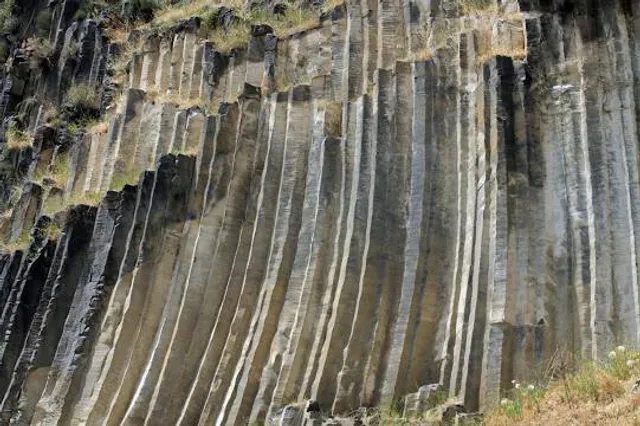
Garni Gorge

Noah's Garden/Noyan Aygi

Garni Historical and Cultural Museum

Garni Historical and Cultural Museum

4.7

(1.6K)

Open 24 hours
Click for details
Garni Gorge

Garni Gorge

4.8

(179)

Open 24 hours
Click for details
Noah's Garden/Noyan Aygi

Noah's Garden/Noyan Aygi

4.6

(17)

Open 24 hours
Click for details

Things to do nearby

Shavarsh Zohrabyan: AI Impact on Educational and Business Spheres
Thu, Dec 11 • 3:00 PM
WorkSpace, 60 Pushkin St, Yerevan 0002, Armenia
View details
UX Storm 1.4 - The New Era of Product Designers
Fri, Dec 12 • 3:00 PM
3 Hakob Hakobyan St, Yerevan 0033, Armenia
View details

Nearby restaurants of Garni temple

7 Qar Restaurant

Armenian cuisine

Sergei Mot

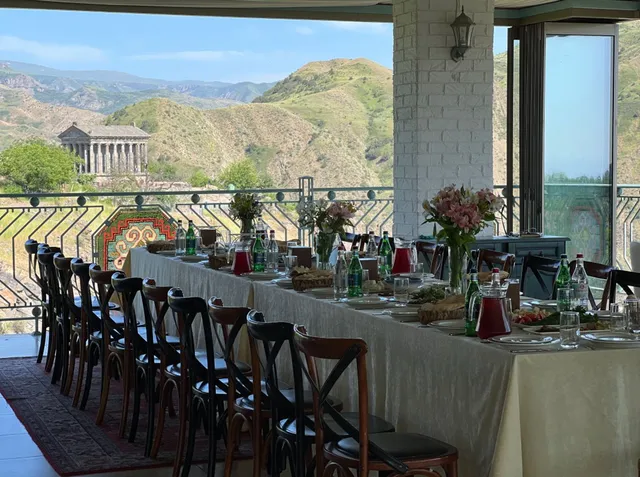
G.A.T.A. House

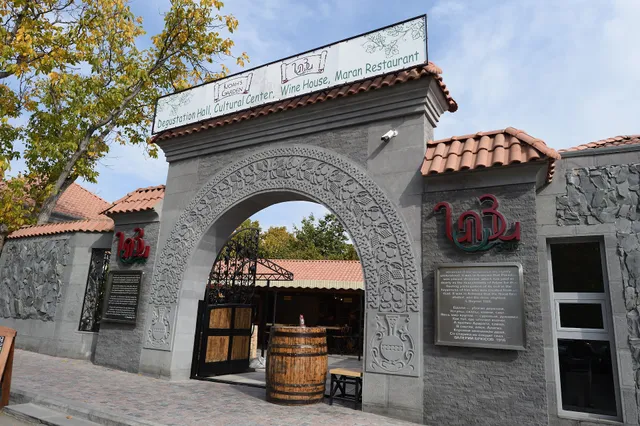
Abelyan's House

7 Qar Restaurant

7 Qar Restaurant

4.4

(241)

Closed
Click for details
Armenian cuisine

Armenian cuisine

3.4

(16)

Click for details
Sergei Mot

Sergei Mot

4.6

(134)

Click for details
G.A.T.A. House

G.A.T.A. House

4.1

(54)

Closed
Click for details
Get the Appoverlay
Get the AppOne tap to find yournext favorite spots!
Wanderboat LogoWanderboat

Your everyday Al companion for getaway ideas

CompanyAbout Us
InformationAI Trip PlannerSitemap
SocialXInstagramTiktokLinkedin
LegalTerms of ServicePrivacy Policy

Get the app

© 2025 Wanderboat. All rights reserved.
logo

Reviews of Garni temple

4.7
(2,065)
avatar
5.0
7y

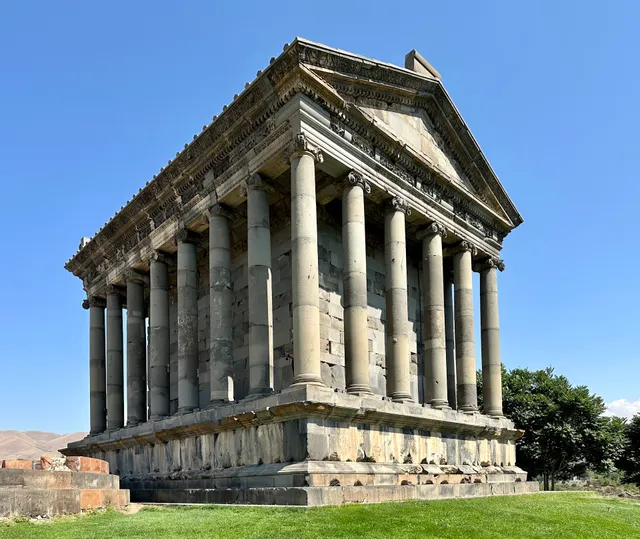
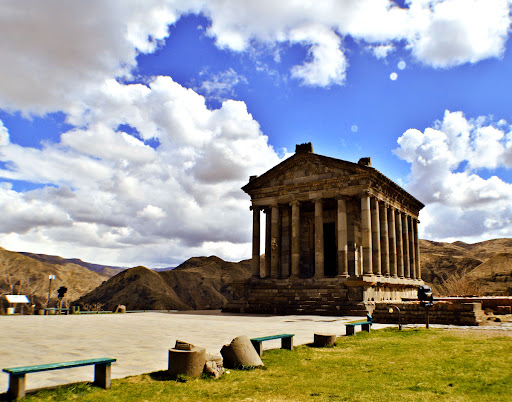
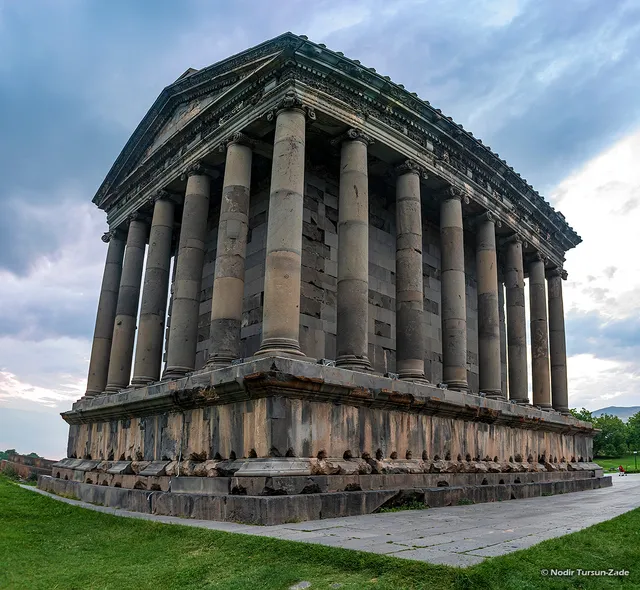
The Temple of Garni (Armenian: Գառնու տաճար, Gaṙnu tačar, ˈgɑrnu ˈtɑtʃɑʁ])[a] is the only standing Greco-Roman colonnaded building in Armenia and the former Soviet Union. An Ionic temple located in the village of Garni, Armenia, it is the best-known structure and symbol of pre-Christian Armenia. The structure was probably built by king Tiridates I in the first century AD as a temple to the sun god Mihr. After Armenia's conversion to Christianity in the early fourth century, it was converted into a royal summer house of Khosrovidukht, the sister of Tiridates III. According to some scholars it was not a temple but a tomb and thus survived the universal destruction of pagan structures. It collapsed in a 1679 earthquake. Renewed interest in the 19th century led to excavations at the site in early and mid-20th century and its eventual reconstruction between 1969 and 1975. It is one of the main tourist attractions in Armenia and the central shrine of Armenian neopaganism. he temple is at the edge of a triangular cliff which overlooks the ravine of the Azat River and the Gegham mountains.[4] It is part of the fortress of Garni.[b] One of the oldest fortresses in Armenia,[5] it is mentioned as Gorneas in the first-century Annals of Tacitus.[6] The fortress was strategically significant for the defense of the major cities in the Ararat plain.[4] The site is in the village of Garni, in Armenia's Kotayk Province and includes the temple, a Roman bath with a partly preserved mosaic floor with a Greek inscription,[7] a royal summer palace, the seventh century church of St. Sion and other minor items (e.g., medieval khachkars) Arshak Fetvadjian described the temple as an "edifice of Roman style for the pantheistic idol cult fashionable in the days of the Arshakists."[23] As reported by Kamilla Trever in 1950, according to a different interpretation of the extant literary testimonia and the evidence provided by coinage, the erection of the temple started in 115 AD. The pretext for its construction would have been the declaration of Armenia as a Roman province[14] and the temple would have housed the imperial effigy of Trajan.[24] An alternative theory proposed by Richard Denys Wilkinson in 1982 suggests that the building is a tomb, probably constructed circa 175 AD. This theory is based on a comparison to Graeco-Roman buildings of western Asia Minor (e.g. Nereid Monument, Belevi Mausoleum, Mausoleum at Halicarnassus),[6] the discovery of nearby graves that date to about that time, and the discovery of a few marble pieces of the Asiatic sarcophagus style. Wilkinson furthermore states that there is no direct evidence linking the structure to Mithras or Mihr, and that the Greek inscription probably refers to a former fortress at the Garni site and not to the colonnaded structure. He also notes that it is unlikely that a pagan temple would survive destruction during Armenia's 4th-century conversion to Christianity when all other such temples were destroyed. Wilkinson offers the suggestion that the structure may be a tomb erected in honor of one of the Romanized kings of Armenia of the late 2nd century.[25 James R. Russell finds the view of the structure being a temple of Mihr baseless. Russell is also skeptical that the inscription refers...

   Read more
avatar
5.0
1y

The Garni Temple is an extraordinary and well-preserved piece of ancient history in Armenia, offering a glimpse into the country's rich cultural heritage. This stunning Greco-Roman colonnaded building, dedicated to the sun god Mihr, stands majestically against the backdrop of the picturesque Azat River Gorge.

The architecture of Garni Temple is truly impressive, with its classical columns and intricate stone carvings. Walking through the site, you can feel the historical significance and the architectural prowess of the ancient builders. The temple's location adds to its allure, providing breathtaking views of the surrounding landscapes, making it a perfect spot for photography and quiet reflection.

In addition to the temple, the site includes the ruins of a royal summer palace and a Roman bathhouse with intricate mosaics, adding further depth to the historical experience. The knowledgeable guides on site offer fascinating insights into the history and significance of Garni, enhancing the overall visit.

Garni Temple is a must-see for anyone interested in history, architecture, and natural beauty. It's a remarkable testament to Armenia's ancient past and a highlight of any trip to the region. Highly...

   Read more
avatar
5.0
6y

The Temple of Garni is situated in a very strategic location, on a cliff, overlooking a range of the Geghama mountains as well as the Azat River near the Ararat Plain. The site was inhabited in prehistoric times, and there is evidence that it was also used by the Urartians between the 8th-6th centuries BCE. The Temple of Garni is the sole surviving pagan temple in Armenia and the only classical structure still standing in the country. Built on a podium, the temple is peripteral and oriented to the north. The temple has 24 Ionic columns, which are 6.54 m (21.5 ft) high. Garni Fortress is one of vivid evidences of centuries-old culture of pre-Christian period in Armenia . It is located in the picturesque mountainous district with the fantastic view. The surrounding area of the temple contains a palace complex which comprises a number of buildings over a large area around the main square of the fortress. Palace buildings include the remains of a small temple, throne room, formal hall, residence and...

   Read more
Page 1 of 7
Previous
Next

Posts

Mesrop HovhannesyanMesrop Hovhannesyan
The Temple of Garni (Armenian: Գառնու տաճար, Gaṙnu tačar, [ˈgɑrnu ˈtɑtʃɑʁ])[a] is the only standing Greco-Roman colonnaded building in Armenia and the former Soviet Union. An Ionic temple located in the village of Garni, Armenia, it is the best-known structure and symbol of pre-Christian Armenia. The structure was probably built by king Tiridates I in the first century AD as a temple to the sun god Mihr. After Armenia's conversion to Christianity in the early fourth century, it was converted into a royal summer house of Khosrovidukht, the sister of Tiridates III. According to some scholars it was not a temple but a tomb and thus survived the universal destruction of pagan structures. It collapsed in a 1679 earthquake. Renewed interest in the 19th century led to excavations at the site in early and mid-20th century and its eventual reconstruction between 1969 and 1975. It is one of the main tourist attractions in Armenia and the central shrine of Armenian neopaganism. he temple is at the edge of a triangular cliff which overlooks the ravine of the Azat River and the Gegham mountains.[4] It is part of the fortress of Garni.[b] One of the oldest fortresses in Armenia,[5] it is mentioned as Gorneas in the first-century Annals of Tacitus.[6] The fortress was strategically significant for the defense of the major cities in the Ararat plain.[4] The site is in the village of Garni, in Armenia's Kotayk Province and includes the temple, a Roman bath with a partly preserved mosaic floor with a Greek inscription,[7] a royal summer palace, the seventh century church of St. Sion and other minor items (e.g., medieval khachkars) Arshak Fetvadjian described the temple as an "edifice of Roman style for the pantheistic idol cult fashionable in the days of the Arshakists."[23] As reported by Kamilla Trever in 1950, according to a different interpretation of the extant literary testimonia and the evidence provided by coinage, the erection of the temple started in 115 AD. The pretext for its construction would have been the declaration of Armenia as a Roman province[14] and the temple would have housed the imperial effigy of Trajan.[24] An alternative theory proposed by Richard Denys Wilkinson in 1982 suggests that the building is a tomb, probably constructed circa 175 AD. This theory is based on a comparison to Graeco-Roman buildings of western Asia Minor (e.g. Nereid Monument, Belevi Mausoleum, Mausoleum at Halicarnassus),[6] the discovery of nearby graves that date to about that time, and the discovery of a few marble pieces of the Asiatic sarcophagus style. Wilkinson furthermore states that there is no direct evidence linking the structure to Mithras or Mihr, and that the Greek inscription probably refers to a former fortress at the Garni site and not to the colonnaded structure. He also notes that it is unlikely that a pagan temple would survive destruction during Armenia's 4th-century conversion to Christianity when all other such temples were destroyed. Wilkinson offers the suggestion that the structure may be a tomb erected in honor of one of the Romanized kings of Armenia of the late 2nd century.[25][10] James R. Russell finds the view of the structure being a temple of Mihr baseless. Russell is also skeptical that the inscription refers to the temple
Gevorg NazaryanGevorg Nazaryan
The Garni Temple is an extraordinary and well-preserved piece of ancient history in Armenia, offering a glimpse into the country's rich cultural heritage. This stunning Greco-Roman colonnaded building, dedicated to the sun god Mihr, stands majestically against the backdrop of the picturesque Azat River Gorge. The architecture of Garni Temple is truly impressive, with its classical columns and intricate stone carvings. Walking through the site, you can feel the historical significance and the architectural prowess of the ancient builders. The temple's location adds to its allure, providing breathtaking views of the surrounding landscapes, making it a perfect spot for photography and quiet reflection. In addition to the temple, the site includes the ruins of a royal summer palace and a Roman bathhouse with intricate mosaics, adding further depth to the historical experience. The knowledgeable guides on site offer fascinating insights into the history and significance of Garni, enhancing the overall visit. Garni Temple is a must-see for anyone interested in history, architecture, and natural beauty. It's a remarkable testament to Armenia's ancient past and a highlight of any trip to the region. Highly recommended!
Shabeer HydrodShabeer Hydrod
Garni Temple is an absolute gem and a must-visit destination in Armenia. This ancient architectural marvel stands as a testament to the rich history and cultural heritage of the region. The temple's spectacular design and picturesque setting make it a truly awe-inspiring sight to behold. Perched majestically against the backdrop of scenic landscapes, Garni Temple offers visitors a glimpse into Armenia's ancient past and architectural prowess. Exploring the temple grounds is a memorable experience, with each corner revealing intricate details and fascinating stories. Whether you're a history enthusiast, a photography buff, or simply seeking tranquility amidst breathtaking surroundings, Garni Temple has something to offer everyone. I highly recommend adding Garni Temple to your itinerary when visiting Armenia. It's a remarkable site that will leave you with lasting memories and a deeper appreciation for the country's rich cultural heritage.
See more posts
See more posts
hotel
Find your stay

Pet-friendly Hotels in Kotayk Province

Find a cozy hotel nearby and make it a full experience.

The Temple of Garni (Armenian: Գառնու տաճար, Gaṙnu tačar, [ˈgɑrnu ˈtɑtʃɑʁ])[a] is the only standing Greco-Roman colonnaded building in Armenia and the former Soviet Union. An Ionic temple located in the village of Garni, Armenia, it is the best-known structure and symbol of pre-Christian Armenia. The structure was probably built by king Tiridates I in the first century AD as a temple to the sun god Mihr. After Armenia's conversion to Christianity in the early fourth century, it was converted into a royal summer house of Khosrovidukht, the sister of Tiridates III. According to some scholars it was not a temple but a tomb and thus survived the universal destruction of pagan structures. It collapsed in a 1679 earthquake. Renewed interest in the 19th century led to excavations at the site in early and mid-20th century and its eventual reconstruction between 1969 and 1975. It is one of the main tourist attractions in Armenia and the central shrine of Armenian neopaganism. he temple is at the edge of a triangular cliff which overlooks the ravine of the Azat River and the Gegham mountains.[4] It is part of the fortress of Garni.[b] One of the oldest fortresses in Armenia,[5] it is mentioned as Gorneas in the first-century Annals of Tacitus.[6] The fortress was strategically significant for the defense of the major cities in the Ararat plain.[4] The site is in the village of Garni, in Armenia's Kotayk Province and includes the temple, a Roman bath with a partly preserved mosaic floor with a Greek inscription,[7] a royal summer palace, the seventh century church of St. Sion and other minor items (e.g., medieval khachkars) Arshak Fetvadjian described the temple as an "edifice of Roman style for the pantheistic idol cult fashionable in the days of the Arshakists."[23] As reported by Kamilla Trever in 1950, according to a different interpretation of the extant literary testimonia and the evidence provided by coinage, the erection of the temple started in 115 AD. The pretext for its construction would have been the declaration of Armenia as a Roman province[14] and the temple would have housed the imperial effigy of Trajan.[24] An alternative theory proposed by Richard Denys Wilkinson in 1982 suggests that the building is a tomb, probably constructed circa 175 AD. This theory is based on a comparison to Graeco-Roman buildings of western Asia Minor (e.g. Nereid Monument, Belevi Mausoleum, Mausoleum at Halicarnassus),[6] the discovery of nearby graves that date to about that time, and the discovery of a few marble pieces of the Asiatic sarcophagus style. Wilkinson furthermore states that there is no direct evidence linking the structure to Mithras or Mihr, and that the Greek inscription probably refers to a former fortress at the Garni site and not to the colonnaded structure. He also notes that it is unlikely that a pagan temple would survive destruction during Armenia's 4th-century conversion to Christianity when all other such temples were destroyed. Wilkinson offers the suggestion that the structure may be a tomb erected in honor of one of the Romanized kings of Armenia of the late 2nd century.[25][10] James R. Russell finds the view of the structure being a temple of Mihr baseless. Russell is also skeptical that the inscription refers to the temple
Mesrop Hovhannesyan

Mesrop Hovhannesyan

hotel
Find your stay

Affordable Hotels in Kotayk Province

Find a cozy hotel nearby and make it a full experience.

Get the Appoverlay
Get the AppOne tap to find yournext favorite spots!
The Garni Temple is an extraordinary and well-preserved piece of ancient history in Armenia, offering a glimpse into the country's rich cultural heritage. This stunning Greco-Roman colonnaded building, dedicated to the sun god Mihr, stands majestically against the backdrop of the picturesque Azat River Gorge. The architecture of Garni Temple is truly impressive, with its classical columns and intricate stone carvings. Walking through the site, you can feel the historical significance and the architectural prowess of the ancient builders. The temple's location adds to its allure, providing breathtaking views of the surrounding landscapes, making it a perfect spot for photography and quiet reflection. In addition to the temple, the site includes the ruins of a royal summer palace and a Roman bathhouse with intricate mosaics, adding further depth to the historical experience. The knowledgeable guides on site offer fascinating insights into the history and significance of Garni, enhancing the overall visit. Garni Temple is a must-see for anyone interested in history, architecture, and natural beauty. It's a remarkable testament to Armenia's ancient past and a highlight of any trip to the region. Highly recommended!
Gevorg Nazaryan

Gevorg Nazaryan

hotel
Find your stay

The Coolest Hotels You Haven't Heard Of (Yet)

Find a cozy hotel nearby and make it a full experience.

hotel
Find your stay

Trending Stays Worth the Hype in Kotayk Province

Find a cozy hotel nearby and make it a full experience.

Garni Temple is an absolute gem and a must-visit destination in Armenia. This ancient architectural marvel stands as a testament to the rich history and cultural heritage of the region. The temple's spectacular design and picturesque setting make it a truly awe-inspiring sight to behold. Perched majestically against the backdrop of scenic landscapes, Garni Temple offers visitors a glimpse into Armenia's ancient past and architectural prowess. Exploring the temple grounds is a memorable experience, with each corner revealing intricate details and fascinating stories. Whether you're a history enthusiast, a photography buff, or simply seeking tranquility amidst breathtaking surroundings, Garni Temple has something to offer everyone. I highly recommend adding Garni Temple to your itinerary when visiting Armenia. It's a remarkable site that will leave you with lasting memories and a deeper appreciation for the country's rich cultural heritage.
Shabeer Hydrod

Shabeer Hydrod

See more posts
See more posts