HTML SitemapExplore
logo
Find Things to DoFind The Best Restaurants

Museum Dr. Guislain — Attraction in Ghent

Name
Museum Dr. Guislain
Description
Nearby attractions
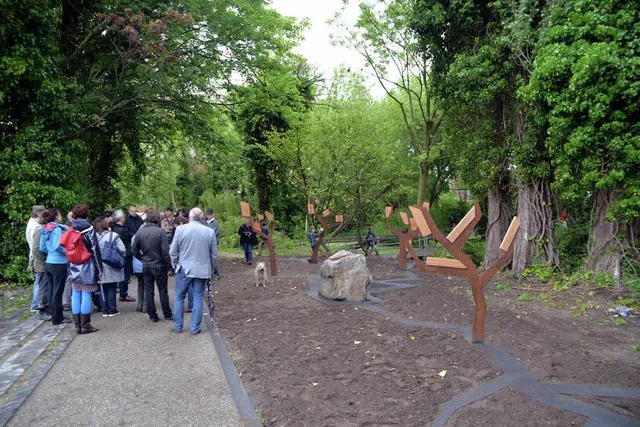
Bloemekenspark
Nieuwevaart 210, 9000 Gent, Belgium
TATJANA PIETERS
Nieuwevaart 124, 9000 Gent, Belgium
Nearby restaurants
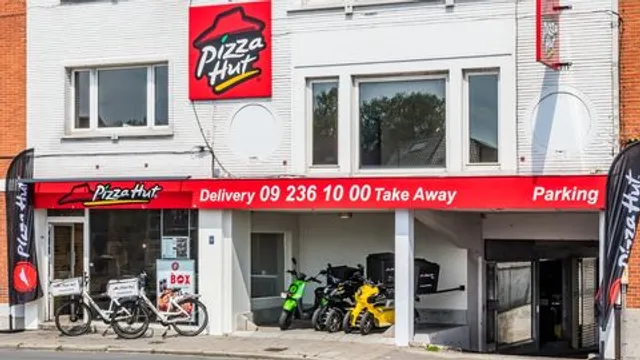
Pizza Hut Delivery Gent Palinghuizen
Palinghuizen 80, 9000 Gent, Belgium
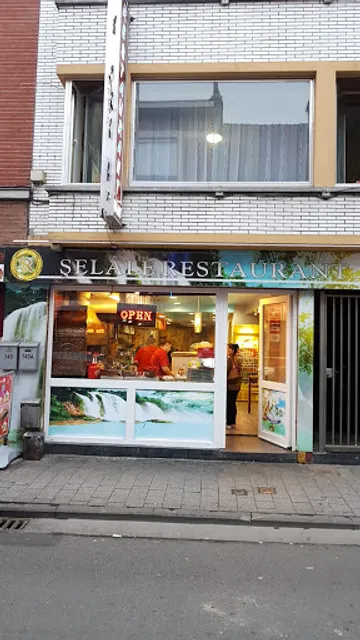
Selale
Wondelgemstraat 151, 9000 Gent, Belgium
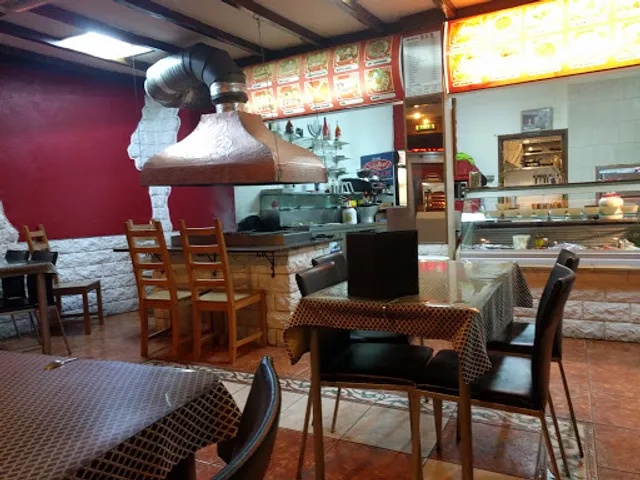
Grillhuis Restaurant-Grill
Bevrijdingslaan 150, 9000 Gent, Belgium
Eetcafé Toreke
Vlotstraat 22, 9000 Gent, Belgium
Elders
Edmond Van Beverenplein 16, 9000 Gent, Belgium
Hunkar Kebab 🇹🇷
Bevrijdingslaan 54, 9000 Gent, Belgium
Het Restaurant Balenmagazijn - Ateljee vzw
Getouwstraat 10, 9000 Gent, Belgium
Pitta Canan
Bevrijdingslaan 85, 9000 Gent, Belgium
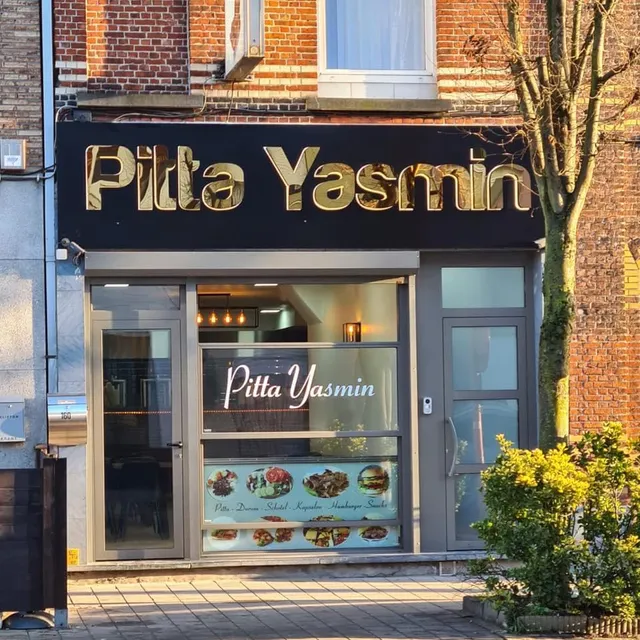
Snack Pamukkale🍟
Bevrijdingslaan 168, 9000 Gent, Belgium
café congé - Gent
Fonteineplein 22, 9000 Gent, Belgium
Nearby hotels
B&B 1 uit de 100
Francisco Ferrerlaan 57, 9000 Gent, Belgium
BNB Nest - Gent
Schommelstraat 71, 9000 Gent, Belgium
All Inn
Dahliastraat 21, 9000 Gent, Belgium
treck Hostel
Groendreef 51, 9000 Gent, Belgium
Bed & Breakfast Boat
Zuidkaai 43, 9000 Gent, Belgium
Related posts
Keywords
Museum Dr. Guislain tourism.Museum Dr. Guislain hotels.Museum Dr. Guislain bed and breakfast. flights to Museum Dr. Guislain.Museum Dr. Guislain attractions.Museum Dr. Guislain restaurants.Museum Dr. Guislain travel.Museum Dr. Guislain travel guide.Museum Dr. Guislain travel blog.Museum Dr. Guislain pictures.Museum Dr. Guislain photos.Museum Dr. Guislain travel tips.Museum Dr. Guislain maps.Museum Dr. Guislain things to do.
Museum Dr. Guislain things to do, attractions, restaurants, events info and trip planning
Museum Dr. Guislain
BelgiumEast FlandersGhentMuseum Dr. Guislain

Basic Info

Museum Dr. Guislain

Jozef Guislainstraat 43B, 9000 Gent, Belgium
4.0(767)
Open 24 hours
Save
spot

Ratings & Description

Info

Cultural
Accessibility
Family friendly
attractions: Bloemekenspark, TATJANA PIETERS, restaurants: Pizza Hut Delivery Gent Palinghuizen, Selale, Grillhuis Restaurant-Grill, Eetcafé Toreke, Elders, Hunkar Kebab 🇹🇷, Het Restaurant Balenmagazijn - Ateljee vzw, Pitta Canan, Snack Pamukkale🍟, café congé - Gent
logoLearn more insights from Wanderboat AI.
Phone
+32 9 398 69 50
Website
museumdrguislain.be

Plan your stay

hotel
Pet-friendly Hotels in Ghent
Find a cozy hotel nearby and make it a full experience.

hotel
Affordable Hotels in Ghent
Find a cozy hotel nearby and make it a full experience.

hotel
The Coolest Hotels You Haven't Heard Of (Yet)
Find a cozy hotel nearby and make it a full experience.

hotel
Trending Stays Worth the Hype in Ghent
Find a cozy hotel nearby and make it a full experience.

Reviews

Nearby attractions of Museum Dr. Guislain

Bloemekenspark

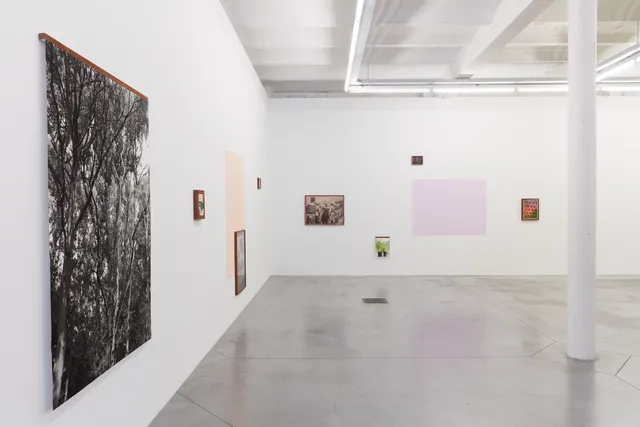
TATJANA PIETERS

Bloemekenspark

Bloemekenspark

4.3

(30)

Open 24 hours
Click for details
TATJANA PIETERS

TATJANA PIETERS

4.6

(26)

Open 24 hours
Click for details

Things to do nearby

Ghent Beer & Chocolate with Stories by a Local
Wed, Dec 17 • 7:00 PM
9000, Ghent, Belgium
View details
Quiz Room Gent
Quiz Room Gent
Sat, Dec 13 • 10:00 AM
Burgstraat 38A, Gent, 9000
View details
OTC I: Closed fracture treatment and casting techniques
Sat, Dec 13 • 8:30 AM
10 Corneel Heymanslaan, 9000 Gent
View details

Nearby restaurants of Museum Dr. Guislain

Pizza Hut Delivery Gent Palinghuizen

Selale

Grillhuis Restaurant-Grill

Eetcafé Toreke

Elders

Hunkar Kebab 🇹🇷

Het Restaurant Balenmagazijn - Ateljee vzw

Pitta Canan

Snack Pamukkale🍟

café congé - Gent

Pizza Hut Delivery Gent Palinghuizen

Pizza Hut Delivery Gent Palinghuizen

3.8

(231)

Click for details
Selale

Selale

4.3

(172)

Click for details
Grillhuis Restaurant-Grill

Grillhuis Restaurant-Grill

4.4

(143)

Click for details
Eetcafé Toreke

Eetcafé Toreke

4.4

(220)

Click for details
Get the Appoverlay
Get the AppOne tap to find yournext favorite spots!
Wanderboat LogoWanderboat

Your everyday Al companion for getaway ideas

CompanyAbout Us
InformationAI Trip PlannerSitemap
SocialXInstagramTiktokLinkedin
LegalTerms of ServicePrivacy Policy

Get the app

© 2025 Wanderboat. All rights reserved.
logo

Reviews of Museum Dr. Guislain

4.0
(767)
avatar
5.0
19w

The Guislain Museum in Ghent opened in 1986 and is dedicated to educating the public about psychiatric care, a bold agenda for a museum located inside a psychiatric institution. Dr. Guislain championed the rights of the mentally ill and devised plans for dignified and humane treatment in 1828, when patients were still chained. The museum hosts exhibitions of work by mentally ill people (for example, the second photo shows a mentally ill person trying to make a map depicting Central America, part of South America, and Cuba). There are also exhibitions that examine how we connect to each other as humans. In addition to the temporary exhibitions, the museum houses three permanent collections: (1) a comprehensive exhibition on the history of psychiatry, (2) a catalogue of photographs of people with mental disorders dating back to 1860, and (3) a collection of foreign artists. The history of psychiatry records ancient treatment, from the ancient Greeks and the Eastern peoples (from the trepanation tools of Hippocrates to exorcisms), to the present era of psychotropic drugs. The museum also has a small collection of medical models related to psychiatry. The photo collection is based on photographs taken at the institution since the middle of the last century. Finally, the collection of foreign artists contains paintings and sculptures by self-taught artists from all over the world. Special mention deserves a section of the museum where reference is made to female hysteria and the means of dealing with it. These are the last two photos of the post. Those who read them were truly surprised and burst...

   Read more
avatar
5.0
7y

We went back for an extra day to Ghent just for this place and it was absolutely worth it. It was definitely a highlight of our trip! We saw the temporary exhibition 'Sensations' which was really captivating and interesting, with many different pieces of contemporary art all relating to the theme somehow. They also have an art gallery with an amazing collection of outsider art/ art brut pieces created by non-conventional artists. This was probably my favourite part as seeing these pieces provoked many raw emotions. It really is an impressive collection. There is also a permanent exhibition about the history of psychiatry - in my opinion a really comprehensive one, showcasing very well how different societies and cultures over history have viewed mental illness, the place of mentally ill people in society and their treatment. The items are beautifully showcased and i especially loved the texts - short, interesting, to the point, very respectful but in the same time with an intelligent sense of humor. The building itself used to function as a mental hospital which makes it all the more interesting. The museum itself is a bit more outside of the city center but easily accessible by tram (10 min ride) and i think it's a must see. I could have spent...

   Read more
avatar
2.0
3y

I have stayed in Gent many times and always looked forward to visiting the Dr Guislain Museum. This museum is one of the highlights of my visit, but this time it was very disappointing. I come for their fabulous exhibition of ‘Outsider Art’ which is exciting and stimulating and discovered that the collection had been put into storage to make way for a temporary exhibition due to open the next day 26th June.

‘Outsider Art’ is what Dr Guislain is about, it relates to the environment of a psychiatric hospital where it is housed. It does not make sense to me to remove the crown jewels of a gallery at any time. It would be like the Louvre putting the Mona Lisa into storage and still expecting people to visit and not mind. There were minimal examples relating to the development of psychiatry which was interesting but the work currently on show is uninspiring, and did not seem to relate to anything.

Dr Guislain seems to be caught in a dilemma: is it a gallery or is a museum? In my view it holds a historical resource which demonstrates the healing power of creativity through mental and emotional strife and the core of it should be retained as that...

   Read more
Page 1 of 7
Previous
Next

Posts

DimitrisDimitris
The Guislain Museum in Ghent opened in 1986 and is dedicated to educating the public about psychiatric care, a bold agenda for a museum located inside a psychiatric institution. Dr. Guislain championed the rights of the mentally ill and devised plans for dignified and humane treatment in 1828, when patients were still chained. The museum hosts exhibitions of work by mentally ill people (for example, the second photo shows a mentally ill person trying to make a map depicting Central America, part of South America, and Cuba). There are also exhibitions that examine how we connect to each other as humans. In addition to the temporary exhibitions, the museum houses three permanent collections: (1) a comprehensive exhibition on the history of psychiatry, (2) a catalogue of photographs of people with mental disorders dating back to 1860, and (3) a collection of foreign artists. The history of psychiatry records ancient treatment, from the ancient Greeks and the Eastern peoples (from the trepanation tools of Hippocrates to exorcisms), to the present era of psychotropic drugs. The museum also has a small collection of medical models related to psychiatry. The photo collection is based on photographs taken at the institution since the middle of the last century. Finally, the collection of foreign artists contains paintings and sculptures by self-taught artists from all over the world. Special mention deserves a section of the museum where reference is made to female hysteria and the means of dealing with it. These are the last two photos of the post. Those who read them were truly surprised and burst out laughing.
Carl NysCarl Nys
Aan de initiatiefnemers: Wat een ontgoocheling. 10 jaar geleden gaf ik 5 sterren, maar dit ooit gerenomeerde museum is binnen het huidige concept niet alleen de ziel maar ook de bestaansreden kwijt. Laat me duiden waarom. De huidige vaste collectie is arty-farty geworden, waar niks mis mee is moest het niet 'in de plaats van' zijn gekomen. Tastbare geschiedenis van de psychiatrie is er gewist, alsof het niet meer relevant zou zijn de zoektocht binnen de hulpverlening in zijn ruwheid te tonen. Voor wat het waard is: de museumbezoeker zoekt geen sensatie, wel historische duiding. Het verwijderen van de oude collectie lijkt op betutteling. De oude collectie MOET terug van onder het stof gehaald worden omdat ze in Vlaanderen de enige tastbare link is met het verleden. 10 jaar geleden was dit museum historisch relevant omdat het dirècter dan vandaag, minder verdund met kunstzinnige alternatieven, toonde hoever de psychiatrie al is geëvolueerd, hoe de 'behandeling van zowel de mens als de pathologie in enkele eeuwen sprongen heeft gemaakt. Fysiek: Een museum over psychiatrie moet tastbaar zijn want de behandeling van het toen nog ongrijpbare psychische lijden is ook vanuit het tastbare, het fysiek ingrijpende geboren. Pas later kwam daar het intellectuele bij. Het 'tastbare' museum is dus niet alleen voor de 'gewone' bezoeker, maar ook voor jonge professional nog de enige mogelijkheid tot beleving van de verregaande impact van onbehandelde psychopathologie, zonder de huidige therapeutische mogelijkheden. Primus: op dat vlak is het gebruik van de oude videobeelden in de 'nieuwe' collectie wel een meerwaarde. Mijn mening als psychiatrisch verpleegkundige: keer terug naar de kern van jullie bestaan. Wees een museum over psychiatrie en psychopathologie. Jullie (hopelijk ergens gestockeerde) collectie is te belangrijk om niet te tonen. Bijkomende kunstzinnige alternatieven kunnen dan als 'extra' bij de collectie. Extra duiding: Psychiatrie, tot ver in de 20ste eeuw, was primair, ruw, zoekend, dwalend. Toon dat, omdat het relevant is èn omdat het de mythe ontkracht dat de behandeling van psychiatrisch lijden vandaag is verworden tot softe wetenschap. Toon de evolutie van de (in den beginne ontmenselijkende) therapeutische pogingen. Een bedenking: Jonge psychiaters en verpleegkundigen weten vandaag niet meer hoe een onbehandeld delirium er uit ziet, hoe moeilijk het was om daar mee om te gaan, hoe een patiënt een extra-pyramidaal syndroom in alle hevigheid ervaarde, hoe gevaarlijk het wordt wanneer de verzorger toch eens met een extreme chronische vorm van psychose of manie wordt geconfronteerd. Toon zeker verder wat behalve de baat nog steeds het risico (tardieve dyskinesie) van neuroleptisatie is, zoals met de videobeelden in de huidige collectie. Toon terug, naar analogie, de tastbare overblijfselen van aloude archaïsche behandelingsvormen, die misschien vandaag shockeren maar voelbaar duiden dat de behandeling van psychopathologie nog maar pas uit de kinderschoenen is gegroeid. #Backtobasics
Siegfried BSiegfried B
A very interesting museum on mental health. They have very nice exhibitions. At the time of our visit there was the very interesting exhibition on the influence of mental illness on art by way of dance. It had some nice art pieces and lots of footage. There was also an exhibition of photos and video work on addiction which was very high quality. The permanent collection on mental health and on the facility itself is also good, but lacks context and information. The permanent art collection of “non professional” artists or artists who have turned away from the art world, is curious, but less interesting than the other collections. The buildings are the former mental asylum, which gives extra value to the visit. We experienced the staff as a negative point: they were clearly bored and gave the impression of being inconvenienced by the visitors. Some were downright rude, which was a shame.
See more posts
See more posts
hotel
Find your stay

Pet-friendly Hotels in Ghent

Find a cozy hotel nearby and make it a full experience.

The Guislain Museum in Ghent opened in 1986 and is dedicated to educating the public about psychiatric care, a bold agenda for a museum located inside a psychiatric institution. Dr. Guislain championed the rights of the mentally ill and devised plans for dignified and humane treatment in 1828, when patients were still chained. The museum hosts exhibitions of work by mentally ill people (for example, the second photo shows a mentally ill person trying to make a map depicting Central America, part of South America, and Cuba). There are also exhibitions that examine how we connect to each other as humans. In addition to the temporary exhibitions, the museum houses three permanent collections: (1) a comprehensive exhibition on the history of psychiatry, (2) a catalogue of photographs of people with mental disorders dating back to 1860, and (3) a collection of foreign artists. The history of psychiatry records ancient treatment, from the ancient Greeks and the Eastern peoples (from the trepanation tools of Hippocrates to exorcisms), to the present era of psychotropic drugs. The museum also has a small collection of medical models related to psychiatry. The photo collection is based on photographs taken at the institution since the middle of the last century. Finally, the collection of foreign artists contains paintings and sculptures by self-taught artists from all over the world. Special mention deserves a section of the museum where reference is made to female hysteria and the means of dealing with it. These are the last two photos of the post. Those who read them were truly surprised and burst out laughing.
Dimitris

Dimitris

hotel
Find your stay

Affordable Hotels in Ghent

Find a cozy hotel nearby and make it a full experience.

Get the Appoverlay
Get the AppOne tap to find yournext favorite spots!
Aan de initiatiefnemers: Wat een ontgoocheling. 10 jaar geleden gaf ik 5 sterren, maar dit ooit gerenomeerde museum is binnen het huidige concept niet alleen de ziel maar ook de bestaansreden kwijt. Laat me duiden waarom. De huidige vaste collectie is arty-farty geworden, waar niks mis mee is moest het niet 'in de plaats van' zijn gekomen. Tastbare geschiedenis van de psychiatrie is er gewist, alsof het niet meer relevant zou zijn de zoektocht binnen de hulpverlening in zijn ruwheid te tonen. Voor wat het waard is: de museumbezoeker zoekt geen sensatie, wel historische duiding. Het verwijderen van de oude collectie lijkt op betutteling. De oude collectie MOET terug van onder het stof gehaald worden omdat ze in Vlaanderen de enige tastbare link is met het verleden. 10 jaar geleden was dit museum historisch relevant omdat het dirècter dan vandaag, minder verdund met kunstzinnige alternatieven, toonde hoever de psychiatrie al is geëvolueerd, hoe de 'behandeling van zowel de mens als de pathologie in enkele eeuwen sprongen heeft gemaakt. Fysiek: Een museum over psychiatrie moet tastbaar zijn want de behandeling van het toen nog ongrijpbare psychische lijden is ook vanuit het tastbare, het fysiek ingrijpende geboren. Pas later kwam daar het intellectuele bij. Het 'tastbare' museum is dus niet alleen voor de 'gewone' bezoeker, maar ook voor jonge professional nog de enige mogelijkheid tot beleving van de verregaande impact van onbehandelde psychopathologie, zonder de huidige therapeutische mogelijkheden. Primus: op dat vlak is het gebruik van de oude videobeelden in de 'nieuwe' collectie wel een meerwaarde. Mijn mening als psychiatrisch verpleegkundige: keer terug naar de kern van jullie bestaan. Wees een museum over psychiatrie en psychopathologie. Jullie (hopelijk ergens gestockeerde) collectie is te belangrijk om niet te tonen. Bijkomende kunstzinnige alternatieven kunnen dan als 'extra' bij de collectie. Extra duiding: Psychiatrie, tot ver in de 20ste eeuw, was primair, ruw, zoekend, dwalend. Toon dat, omdat het relevant is èn omdat het de mythe ontkracht dat de behandeling van psychiatrisch lijden vandaag is verworden tot softe wetenschap. Toon de evolutie van de (in den beginne ontmenselijkende) therapeutische pogingen. Een bedenking: Jonge psychiaters en verpleegkundigen weten vandaag niet meer hoe een onbehandeld delirium er uit ziet, hoe moeilijk het was om daar mee om te gaan, hoe een patiënt een extra-pyramidaal syndroom in alle hevigheid ervaarde, hoe gevaarlijk het wordt wanneer de verzorger toch eens met een extreme chronische vorm van psychose of manie wordt geconfronteerd. Toon zeker verder wat behalve de baat nog steeds het risico (tardieve dyskinesie) van neuroleptisatie is, zoals met de videobeelden in de huidige collectie. Toon terug, naar analogie, de tastbare overblijfselen van aloude archaïsche behandelingsvormen, die misschien vandaag shockeren maar voelbaar duiden dat de behandeling van psychopathologie nog maar pas uit de kinderschoenen is gegroeid. #Backtobasics
Carl Nys

Carl Nys

hotel
Find your stay

The Coolest Hotels You Haven't Heard Of (Yet)

Find a cozy hotel nearby and make it a full experience.

hotel
Find your stay

Trending Stays Worth the Hype in Ghent

Find a cozy hotel nearby and make it a full experience.

A very interesting museum on mental health. They have very nice exhibitions. At the time of our visit there was the very interesting exhibition on the influence of mental illness on art by way of dance. It had some nice art pieces and lots of footage. There was also an exhibition of photos and video work on addiction which was very high quality. The permanent collection on mental health and on the facility itself is also good, but lacks context and information. The permanent art collection of “non professional” artists or artists who have turned away from the art world, is curious, but less interesting than the other collections. The buildings are the former mental asylum, which gives extra value to the visit. We experienced the staff as a negative point: they were clearly bored and gave the impression of being inconvenienced by the visitors. Some were downright rude, which was a shame.
Siegfried B

Siegfried B

See more posts
See more posts