Title: A Mycophile's Paradise: Exploring the Mushroom Diversity of Gatineau Park
Venturing into the lush depths of Gatineau Park revealed a world teeming with an astonishing array of mushrooms that beckon both novice enthusiasts and seasoned mycophiles alike. This natural haven is a veritable treasure trove of fungal diversity, offering an enchanting opportunity to delve into the captivating world of mushrooms.
As I embarked on my mushroom-hunting expedition, I was captivated by the sheer abundance and variety of these intriguing organisms. From delicate chanterelles to whimsical fairy rings, Gatineau Park boasts an impressive spectrum of mushroom species that truly showcases the wonders of nature's ingenuity.
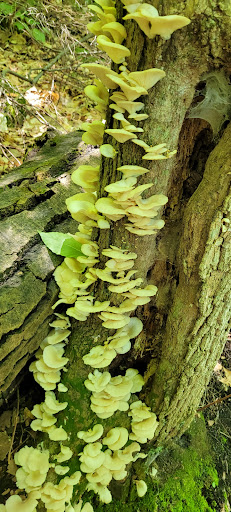
What sets Gatineau Park apart is not only the sheer number of mushroom species but also the captivating habitats in which they thrive. Whether nestled beneath towering conifers, nestled in the embrace of fallen leaves, or peeking out from the damp crevices of decaying logs, each mushroom seems to have found its own unique niche within the park's ecosystem.
One cannot help but be drawn into the enchanting details of each mushroom's form, texture, and color. The park's diverse microclimates and soil types contribute to the remarkable variety of shapes and sizes on display. From the elegant symmetry of the fly agaric to the intricate lace-like patterns on puffballs, every sighting is a testament to the delicate balance of life within the forest.
For those passionate about foraging and culinary exploration, Gatineau Park's mushroom diversity is a treasure trove of potential flavors and experiences. From edible chanterelles and porcini to the more elusive morels, the park provides a unique opportunity to gather and savor nature's bounty in a responsible and sustainable manner.
Of course, it's essential to approach mushroom foraging with knowledge and caution, as not all mushrooms are safe for consumption. Engaging with local experts or utilizing field guides is highly recommended to ensure a safe and fulfilling experience.
In summary, Gatineau Park stands as a mycophile's paradise, inviting all who enter its embrace to embark on a fascinating journey into the intricate and captivating world of mushrooms. With its remarkable diversity, stunning habitats, and potential culinary treasures, this park is a destination that offers an immersive and enriching exploration of nature's fungal wonders. Whether you're a curious observer, an aspiring forager, or a seasoned mushroom hunter, Gatineau Park promises a memorable and rewarding adventure that connects you with the hidden marvels of the...
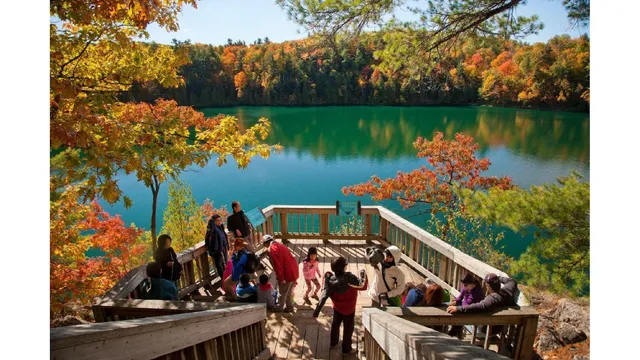
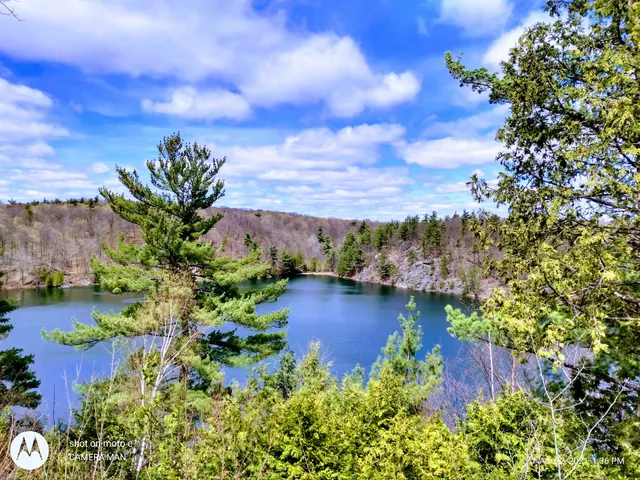
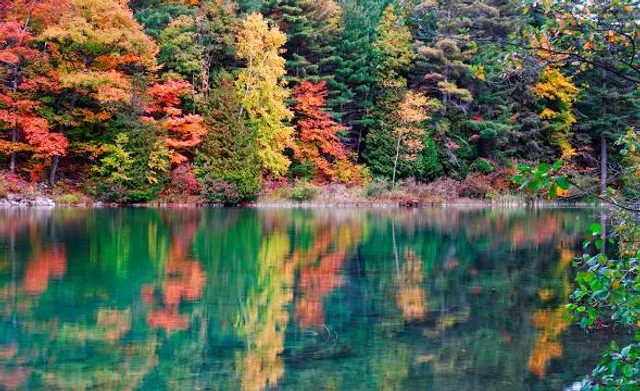
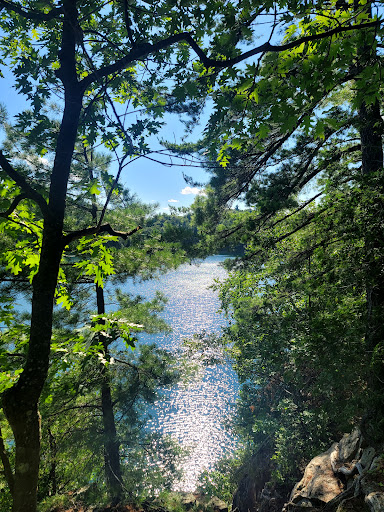
Read moreNestled in the heart of Gatineau Park, Pink Lake is a hidden gem that offers visitors a breathtaking natural spectacle. Despite its name, this meromictic lake doesn't actually appear pink, but rather showcases a stunning array of emerald and turquoise hues that change with the light and seasons. The lake's unique ecology and crystal-clear waters make it a must-visit destination for nature enthusiasts and casual hikers alike.
The trail circling Pink Lake is a relatively easy 2.5-kilometer loop that provides constant views of the shimmering water below. Well-maintained wooden boardwalks and stair platforms offer perfect vantage points for admiring the lake and its surrounding flora. The path is setup with informative panels that explain the lake's fascinating geological history and rare ecosystem, adding an educational element to the experience.
For those seeking a serene escape into nature, Pink Lake in Gatineau Park provides an unforgettable experience. Its rare beauty, ecological significance, and accessibility make it a true natural wonder that should be on every outdoor enthusiast's...
Read moreGatineau Park may hold a number of lakes but Pink Lake stands out amongst these. Bordered by steep cliffs on three sides, Pink Lake is formed of water layers that do not mix. As a result of this and the presence of a layer of bacteria a few meters deep, the lake is largely void of oxygen below the layer of bacteria. With the disappearance of the Champlain sea, the waters filling what is now Pink Lake underwent a very slow process of desalinization. This slow process allowed a species of salt water fish to manage the transition to fresh water. This fish is unique to its waters
Named after a family that settled around the lake in the early 19th century, Pink Lake is bordered by a boardwalk built to protect the lake from human activity. The walk is beautiful but the presence of numerous staircases implies a level of exercise. The loop around the lake takes about 1h30 to complete. Well worth it as you gaze at the scenic surroundings and the crystal clear turquoise...
Read more