Jacques Cartier Bridge things to do, attractions, restaurants, events info and trip planning
Basic Info
Jacques Cartier Bridge
134 Jacques-Cartier Brg, Montreal, Quebec H2K 4M2, Canada
4.5(875)
Open until 12:00 AM
Save
spot
spot
Ratings & Description
Info
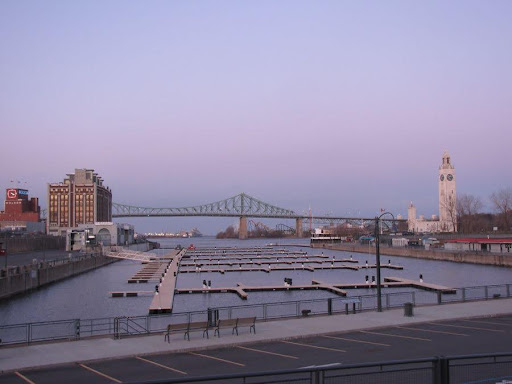
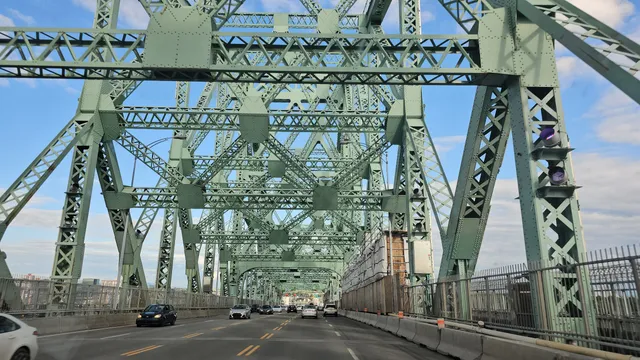
The Jacques Cartier Bridge is a steel truss cantilever bridge crossing the Saint Lawrence River from Montreal Island, Montreal, Quebec, to the south shore at Longueuil, Quebec, Canada.
Scenic
Outdoor
Cultural
Family friendly
Accessibility
attractions: La Ronde, Parc du Pied-du-Courant, Le Vampire, Prison-des-Patriotes, Craig Pumping Station, Île Sainte-Hélène Lighthouse, Monument aux patriotes, Goliath, Fort de l'île Sainte-Hélène, Le Monstre, restaurants: Arirang Hotdogs La Ronde, Koko Curry, Queues de Castor - Fort Edmonton, Lafayette Restaurant, Restaurant Indian Spices, Restaurant Abruzzo, La Tasse Joyeuse Café, 'Olu 'Olu Poké Ste-Catherine Est, Canard Café Montréal - Ville Marie, Bar Le Stud, local businesses: Saint Helen's Island, St Helen's Island, Mohawk Barbier, Cabaret Berlin, Aqua Twist, Charles-S.-Campbell Park, Mtl en Arts
 Learn more insights from Wanderboat AI.
Phone
+1 450-651-8771
Website
jacquescartierchamplain.ca
Open hoursSee all hours
SunClosedOpen
Plan your stay

Pet-friendly Hotels in Montreal
Find a cozy hotel nearby and make it a full experience.

Affordable Hotels in Montreal
Find a cozy hotel nearby and make it a full experience.

The Coolest Hotels You Haven't Heard Of (Yet)
Find a cozy hotel nearby and make it a full experience.

Trending Stays Worth the Hype in Montreal
Find a cozy hotel nearby and make it a full experience.
Reviews
Live events
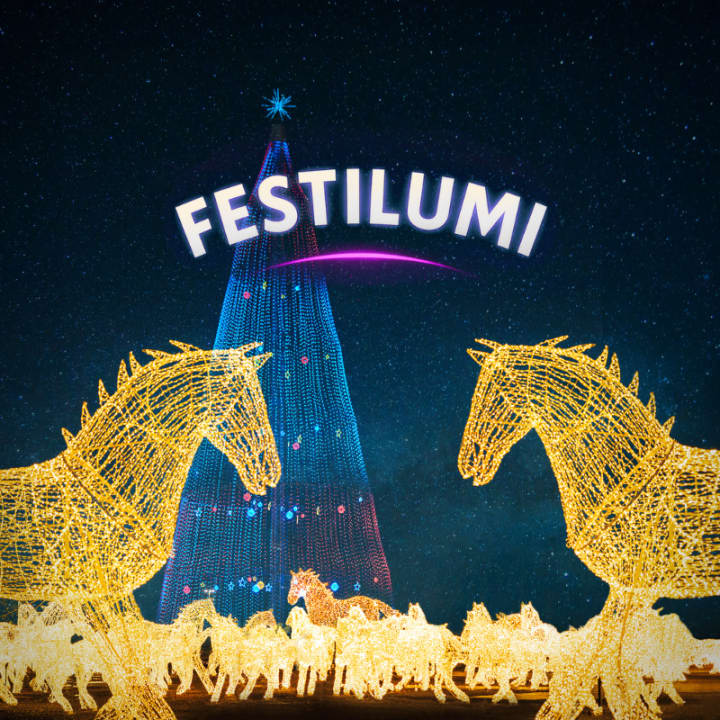
Festilumi
Sun, Feb 22 • 5:45 PM
315, rue du Marché-Central Montréal, H4N 3K1
View details

Montreal Supper Club With A Michelin-Trained Chef
Mon, Feb 23 • 5:00 PM
Montreal, Quebec, H2Y 2R4
View details
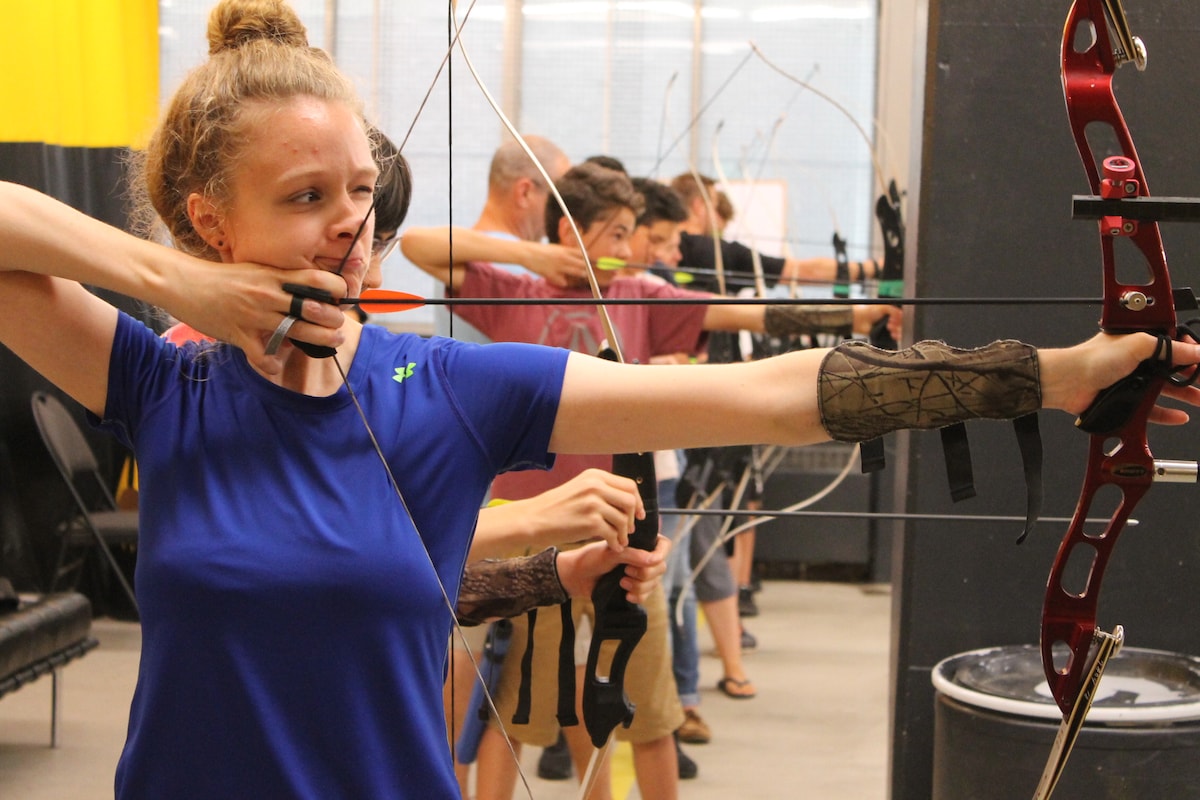
Learn archery basics
Sun, Feb 22 • 6:00 PM
Montreal, Quebec, H2T 1X3, Canada
View details
Nearby attractions of Jacques Cartier Bridge
La Ronde
Parc du Pied-du-Courant
Le Vampire
Prison-des-Patriotes
Craig Pumping Station
Île Sainte-Hélène Lighthouse
Monument aux patriotes
Goliath
Fort de l'île Sainte-Hélène
Le Monstre
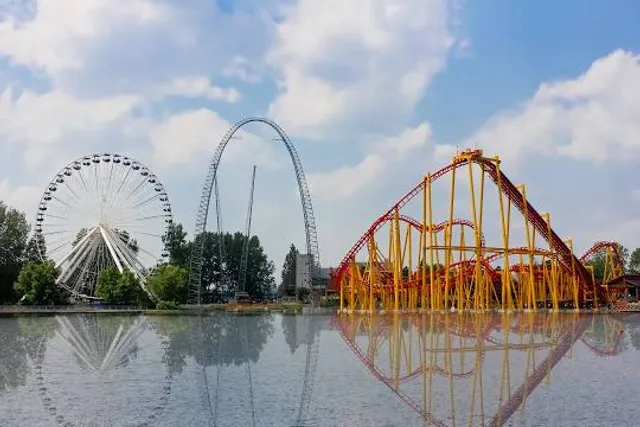
La Ronde
4.0
(8.4K)
Open 24 hours
Click for details
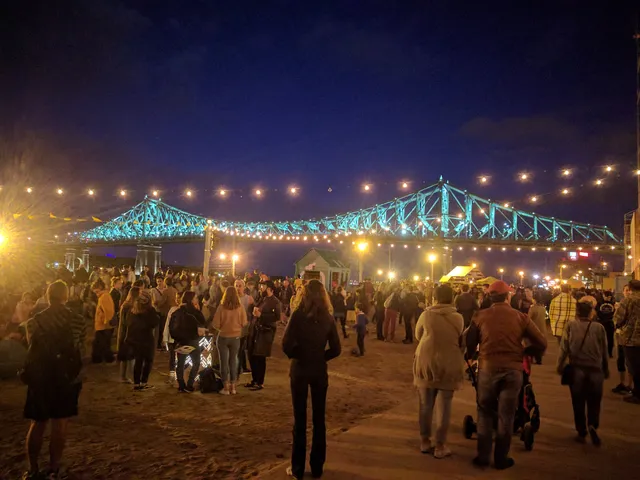
Parc du Pied-du-Courant
4.4
(1.2K)
Open 24 hours
Click for details
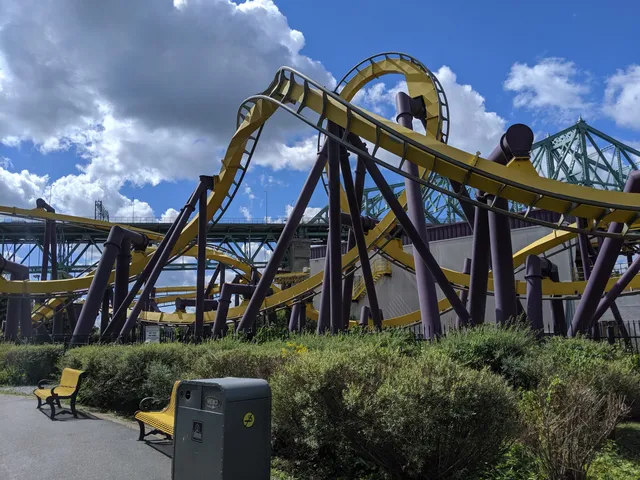
Le Vampire
4.6
(64)
Open 24 hours
Click for details
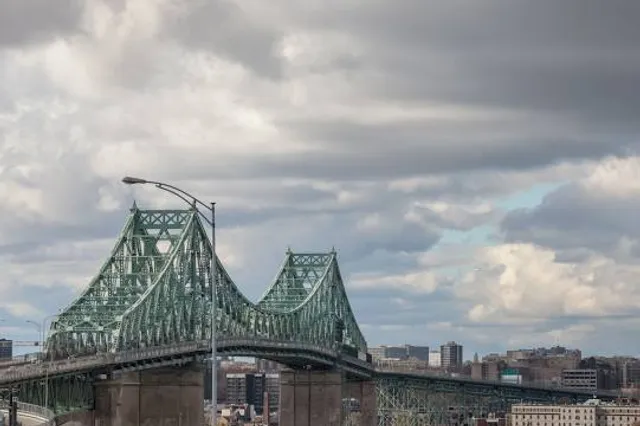
Prison-des-Patriotes
3.8
(61)
Open 24 hours
Click for details
Nearby restaurants of Jacques Cartier Bridge
Arirang Hotdogs La Ronde
Koko Curry
Queues de Castor - Fort Edmonton
Lafayette Restaurant
Restaurant Indian Spices
Restaurant Abruzzo
La Tasse Joyeuse Café
'Olu 'Olu Poké Ste-Catherine Est
Canard Café Montréal - Ville Marie
Bar Le Stud
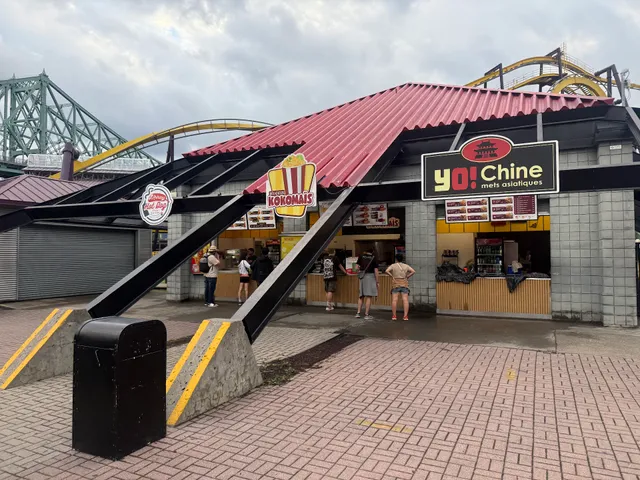
Arirang Hotdogs La Ronde
2.6
(6)
Click for details

Koko Curry
3.5
(8)
Open until 7:00 PM
Click for details
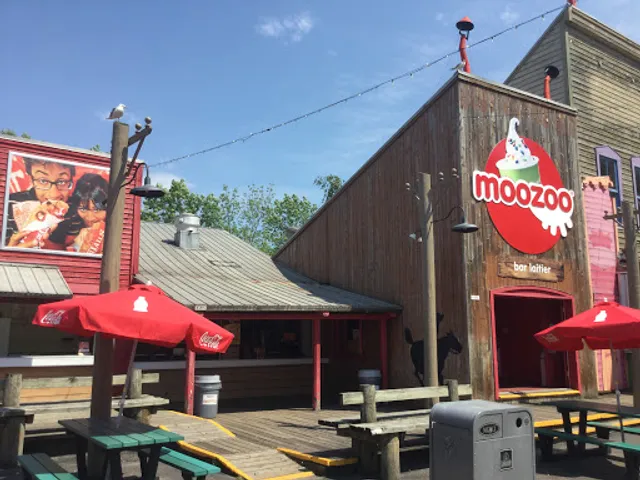
Queues de Castor - Fort Edmonton
4.0
(24)
Click for details
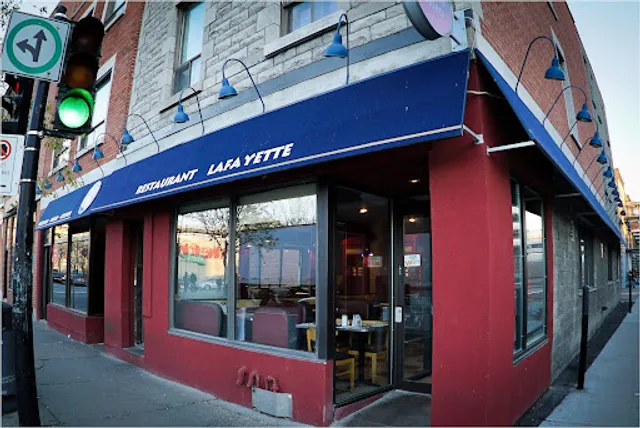
Lafayette Restaurant
4.2
(604)
Open until 9:00 PM
Click for details
Nearby local services of Jacques Cartier Bridge
Saint Helen's Island
St Helen's Island
Mohawk Barbier
Cabaret Berlin
Aqua Twist
Charles-S.-Campbell Park
Mtl en Arts
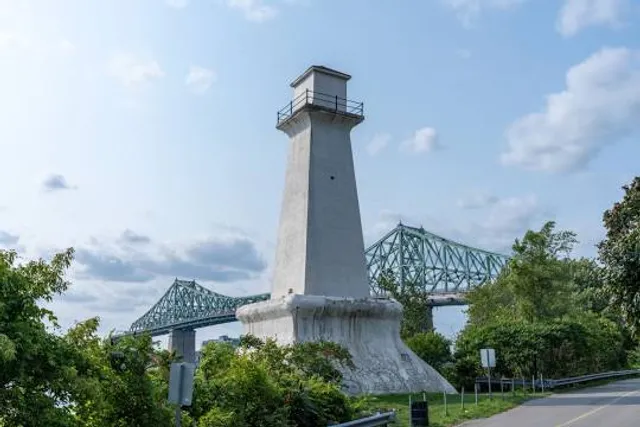
Saint Helen's Island
4.6
(74)
Click for details
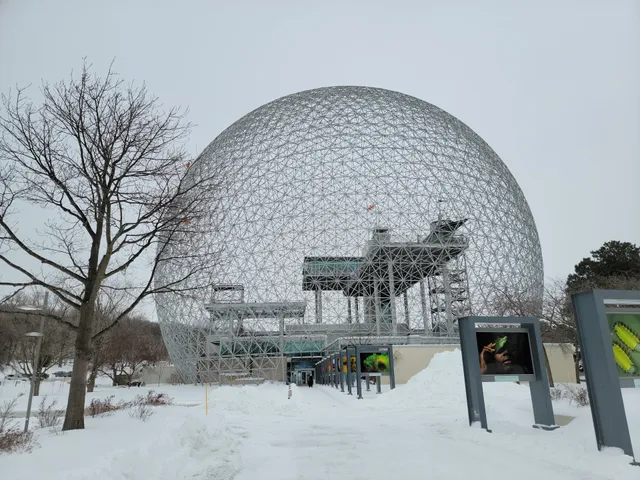
St Helen's Island
4.6
(94)
Click for details

Mohawk Barbier
4.7
(274)
Click for details
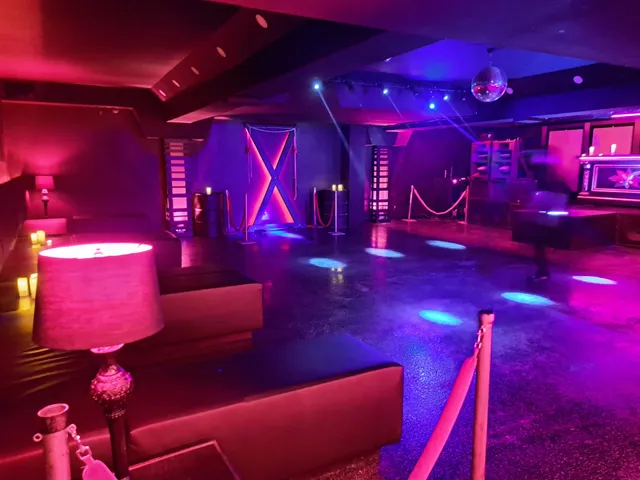
Cabaret Berlin
4.3
(113)
Click for details