🌉 Lions Gate Bridge: Vancouver’s Iconic Gateway to Natural Splendor 🌟 ⭐⭐⭐⭐⭐
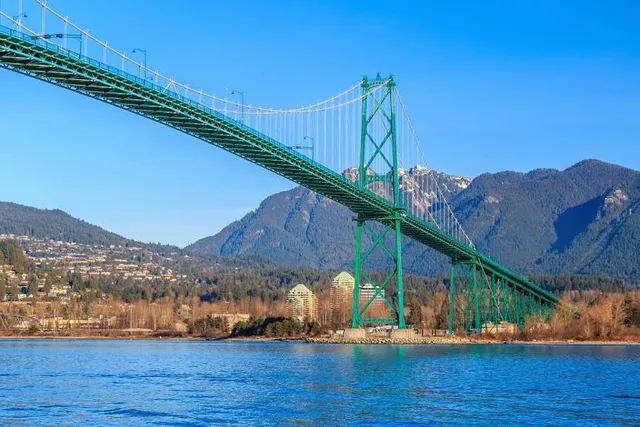
Soaring gracefully over the Burrard Inlet, the Lions Gate Bridge is more than a feat of engineering—it’s a symbol of Vancouver’s harmony between urban life and wild beauty. With its emerald towers framing panoramic views of mountains, forests, and skyscrapers, this bridge offers an unforgettable journey into the heart of British Columbia’s coastal magic.
📜 History: Bridging Past and Present Origins & Vision: Built in 1938 during the Great Depression, the Lions Gate Bridge was funded by the Guinness family (of beer fame) to connect Vancouver to their ambitious British Properties development in West Vancouver. Named after the twin mountain peaks known as The Lions (resembling couchant lions), it became a lifeline for the North Shore’s growth.
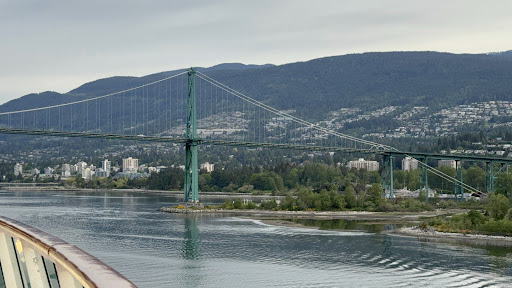
Engineering Marvel: Designed by Monsarrat and Pratley, this suspension bridge spans 1,823 meters, with a main span of 473 meters and towers reaching 111 meters. Its art deco styling and signature green hue blend seamlessly with the coastal rainforest.
Challenges & Legacy: Overcame treacherous tides and deep waters at the First Narrows. Operated as a toll bridge until 1963, when the province assumed ownership. Designated a National Historic Site of Canada in 2005, honoring its role in shaping Vancouver’s identity.
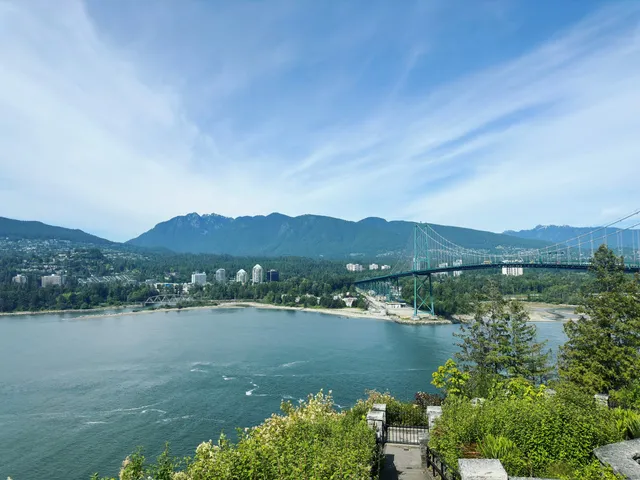
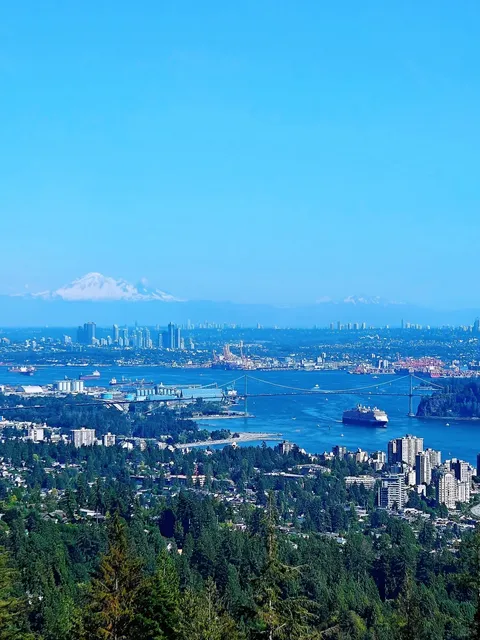
🌄 Visitor Experience: More Than a Crossing Breathtaking Views: Gaze west to Stanley Park’s lush trails and east to downtown’s skyline. Spot cruise ships, seals, and bald eagles from the pedestrian walkways. Walk or Cycle: Traverse the east-side pathway (open to pedestrians and cyclists) for uninterrupted vistas of the North Shore mountains. Golden Hour Magic: Visit at sunrise or sunset to see the bridge bathed in golden light, with the Lions peaks glowing in the distance.
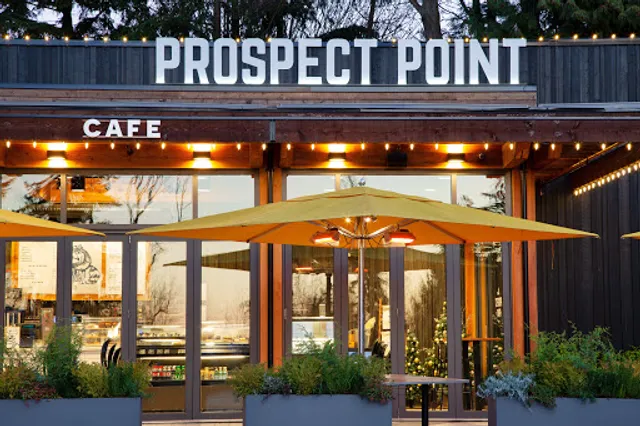
📌 Pro Tips for Visitors Photography Hotspots: Capture postcard-perfect shots from Prospect Point in Stanley Park or Harbour Green Park downtown. Avoid Traffic: Cross early mornings or weekends; the middle lane reverses to ease rush-hour congestion. Combine Adventures: Pair your visit with a trip to Capilano Suspension Bridge or a hike up Grouse Mountain. Safety First: Stay alert on narrow walkways; bikes and pedestrians share the space.
🌿 Hidden Stories & Fun Facts Seismic Upgrades: Strengthened between 2000–2005 to withstand earthquakes. Hollywood Fame: Featured in films like X-Men and Deadpool. Guinness Legacy: The bridge’s tolls once funded the Guinness family’s land developments—now a cornerstone of Vancouver’s real estate.
#LionsGateBridge #VancouverViews #IconicCanada #SuspensionBridgeMagic #ExploreBC #CoastalBeauty #HistoricLandmarks #WanderlustNorthwest #BridgeLovers #StanleyParkVibes
🗝️ Final Word The Lions Gate Bridge isn’t just a route—it’s a rite of passage. Whether you’re driving under its towering arches or strolling with the sea breeze in your hair, this landmark embodies Vancouver’s spirit of adventure. 5 stars? Without a doubt.
“Where steel meets sky, and every crossing feels like a journey through time.” 🌲🌆
📍 Visit: Connects Vancouver’s Stanley Park to North Shore | Open 24/7 | Free access Pro Tip: For a full day, bike the Seawall from downtown, cross the bridge, and loop back via the Spirit Trail! 🚴♂️✨
👉 Follow #VancouverVoyages for more insider...
Read moreThis bridge has the nicest views of all the bridges in Vancouver. The Lions Gate Bridge, opened in 1938, officially known as the First Narrows Bridge, is a suspension bridge that crosses the first narrows of Burrard Inlet and connects the City of Vancouver, British Columbia, to the North Shore municipalities of the District of North Vancouver, the City of North Vancouver, and West Vancouver. The term "Lions Gate" refers to The Lions, a pair of mountain peaks north of Vancouver. Northbound traffic on the bridge heads in their general direction. A pair of cast concrete lions, designed by sculptor Charles Marega, were placed on either side of the south approach to the bridge in January, 1939.
The total length of the bridge including the north viaduct is 1,823 metres (5,890 feet). The length including approach spans is 1,517.3 m (4,978 ft), the main span alone is 473 m (1,550 ft), the tower height is 111 m (364 ft), and it has a ship's clearance of 61 m (200 ft). Prospect Point in Stanley Park offered a good high south end to the bridge, but the low flat delta land to the north required construction of the extensive North Viaduct.
The bridge has three reversible lanes, the use of which is indicated by signals. The centre lane changes direction to accommodate for traffic patterns. The traffic volume on the bridge is 60,000 - 70,000 vehicles per day. Trucks exceeding 13 tonnes (14.3 tons) are prohibited, as are vehicles using studded tires. The bridge forms part of Highways 99 and 1A.
On March 24, 2005, the Lions Gate Bridge was designated a National Historic Site of Canada. In 1986 the Guinness family, as a gift to Vancouver, purchased decorative lights that make it a distinctive nighttime landmark. In July 2009, the bridge's lighting system was updated with new LED lights to replace this existing system of 100-watt mercury vapour bulbs. The switch to LEDs is expected to reduce power consumption on the bridge by 90 per cent and save the Province about $30,000 a year in energy and maintenance costs. The approximate cost to of this project was $150,000, paid for by the ministry and B.C. Hydro. "The average replacement time of one of the traditional light bulbs was about 72 hours," said the ministry's Jeff Knight. With the new LED bulbs, which are designed to last 12 years, it could be a decade before any work crew is called out to do a...
Read moreLions Gate Bridge is an iconic landmark in Vancouver, British Columbia, and is a must-see attraction for anyone visiting the city. Completed in 1938, the bridge spans the First Narrows of Burrard Inlet, connecting the City of Vancouver to the North Shore municipalities of North Vancouver and West Vancouver. It's named after the Lions, two mountain peaks visible from the city, and is also known as the First Narrows Bridge.
This bridge is not only an important transportation route for commuters but also a popular attraction for tourists. Its towering steel arches and elegant Art Deco style design make it a favorite spot for photographers and sightseers. From the bridge, you can enjoy breathtaking views of the surrounding natural beauty, including the Pacific Ocean, Stanley Park, the Coast Mountains, and the city skyline.
As a local, I believe that after Stanley Park, Lions Gate Bridge is the most amazing thing for tourists in Vancouver. It offers a unique and memorable experience that showcases the natural beauty and rich history of the region. The view of the ocean, Stanley Park, North Vancouver, West Vancouver, and the mountains is simply stunning every single time. The bridge also has a well-maintained pedestrian walkway and bike path that offers a safe and enjoyable way to take in the stunning scenery. There are plenty of benches and viewing areas along the way, making it easy to stop and appreciate the views.
In addition to its beauty and recreational opportunities, the bridge has a rich history. It was originally built to connect the city to the North Shore, opening up new opportunities for trade and development. During World War II, the bridge played a critical role in the defense of the Pacific coast, as it was heavily guarded against potential attacks.
Overall, Lions Gate Bridge is a green heart of Vancouver and a must-see attraction for anyone visiting the city. Whether you're a local or a tourist, the bridge offers a unique and memorable experience that showcases the natural beauty and rich history of the region. So, don't forget to add it to...
Read more