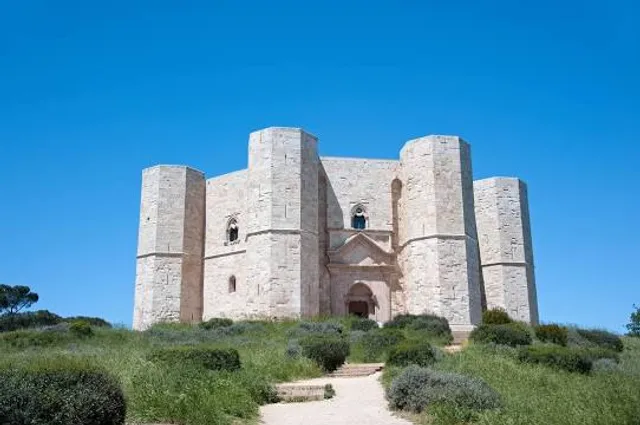
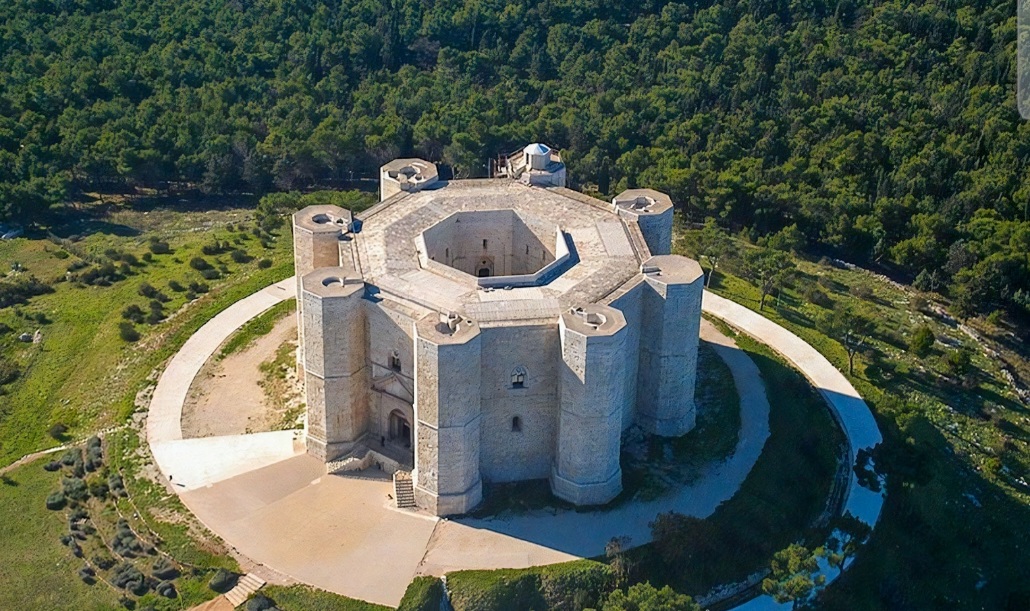
Super interesting octagonal castle from the 1240s built by Frederick II, Holy Roman Emperor, Hohenstaufen of Swabia and King of Sicily. Example of Medieval architecture located on a hill some kilometers away from Andria overseeing a large plain.
Castel del Monte is surely one of Apulia’s symbols: a medieval fortress erected in the 13th century on the western Murge plateau on the outskirts of the beautiful town Andria, along the Adriatic coast of southern Italy.
Built on a hill 540 metres above sea level, the fortress of Castel del Monte in Andria is considered a brilliant example of medieval architecture, reflecting the humanistic culture and vast education of its founder, Holy Roman Emperor and King of Sicily.
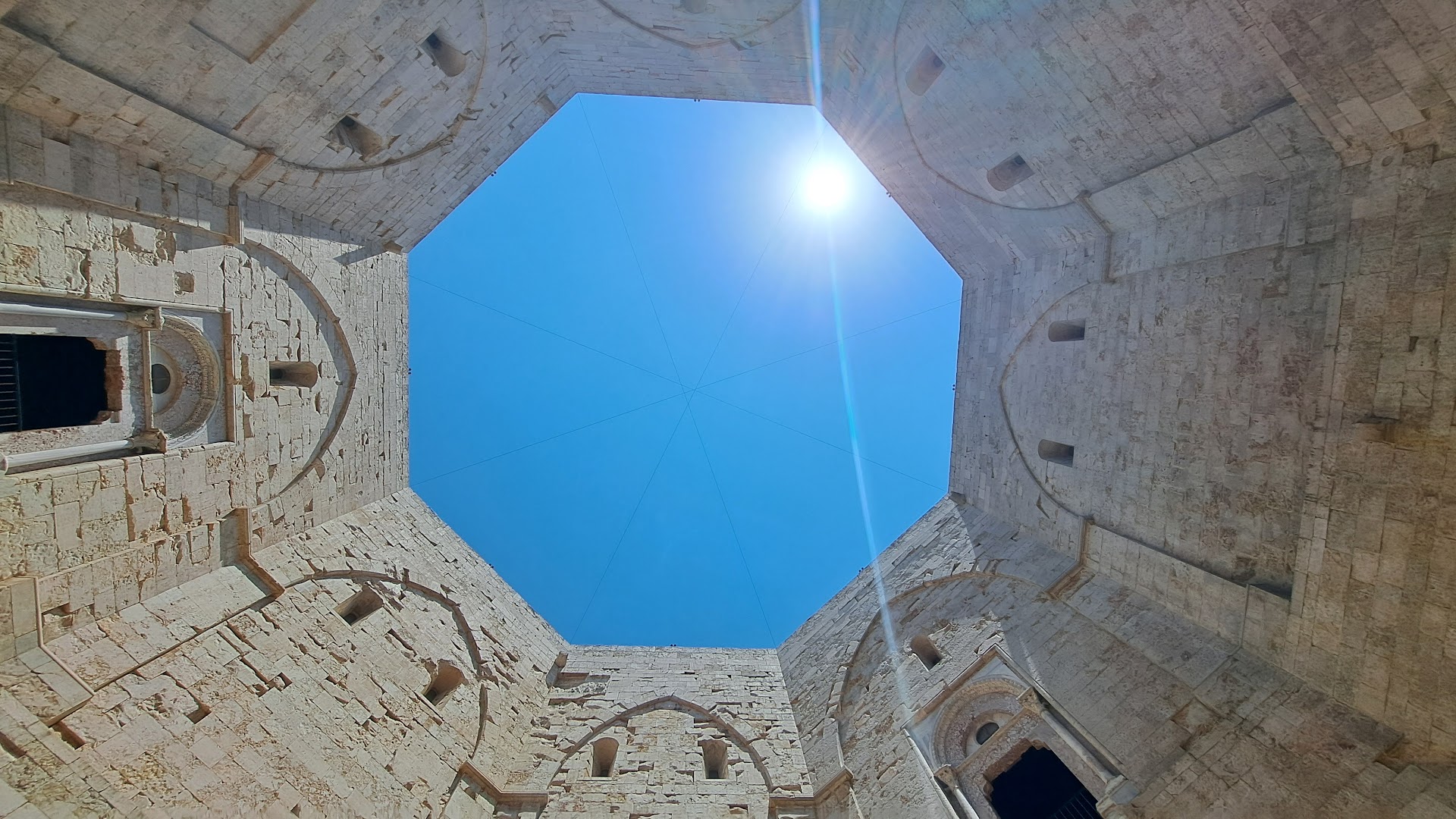
The octagonal castle is surrounded by an octagonal tower at each corner. Mysterious and an almost inhumanly exact geometric shape, some theories claim that the octagon represented the union of the circle and the square.
The octagonal layout gives Castel del Monte the configuration of an elegant stone crown, and is present in all the castle's rooms. There are eight rooms on the ground floor, and eight on the first floor. There are eight towers surrounding the building, all with an octagonal layout and each arranged on one of its eight corners.
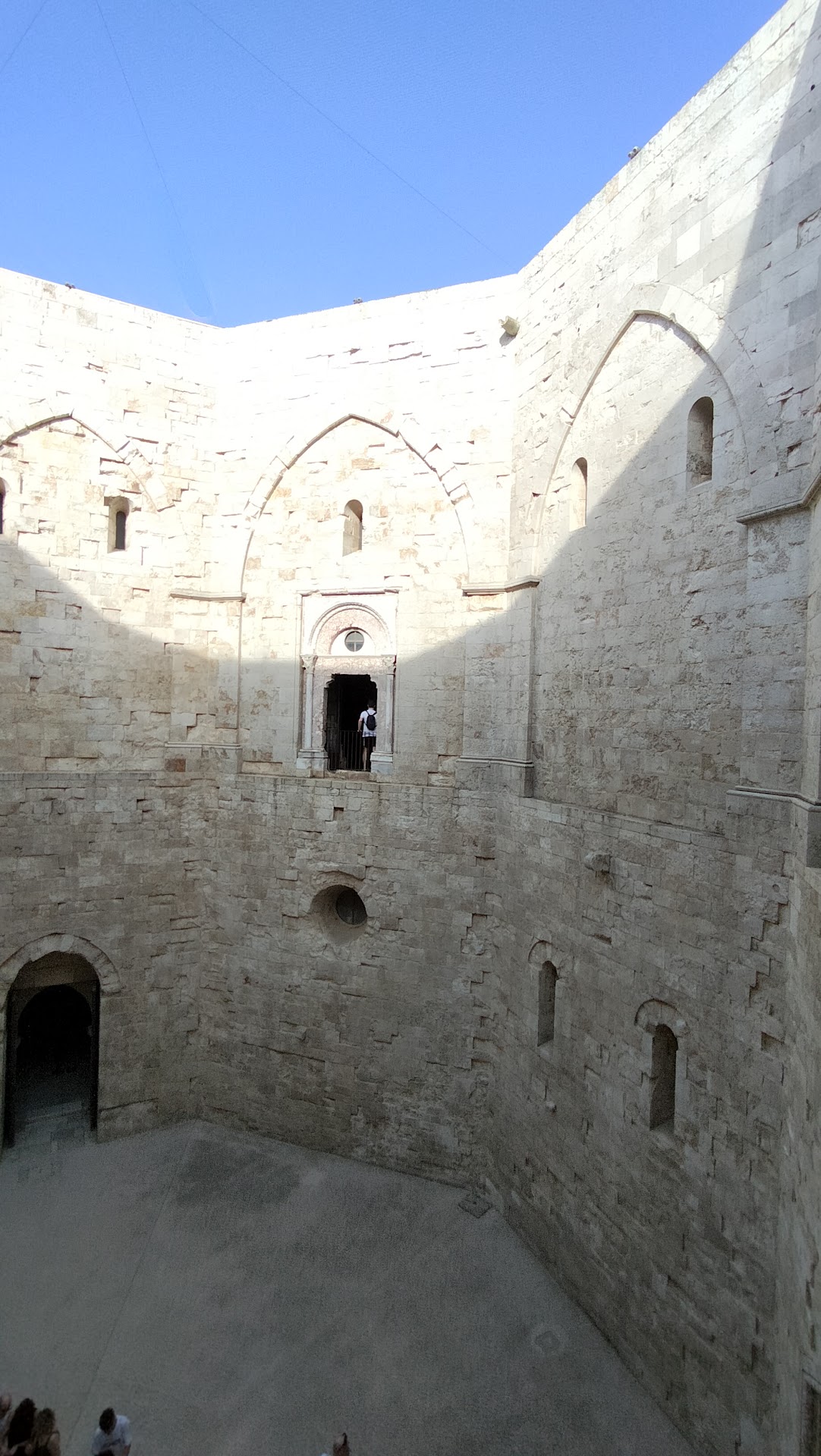
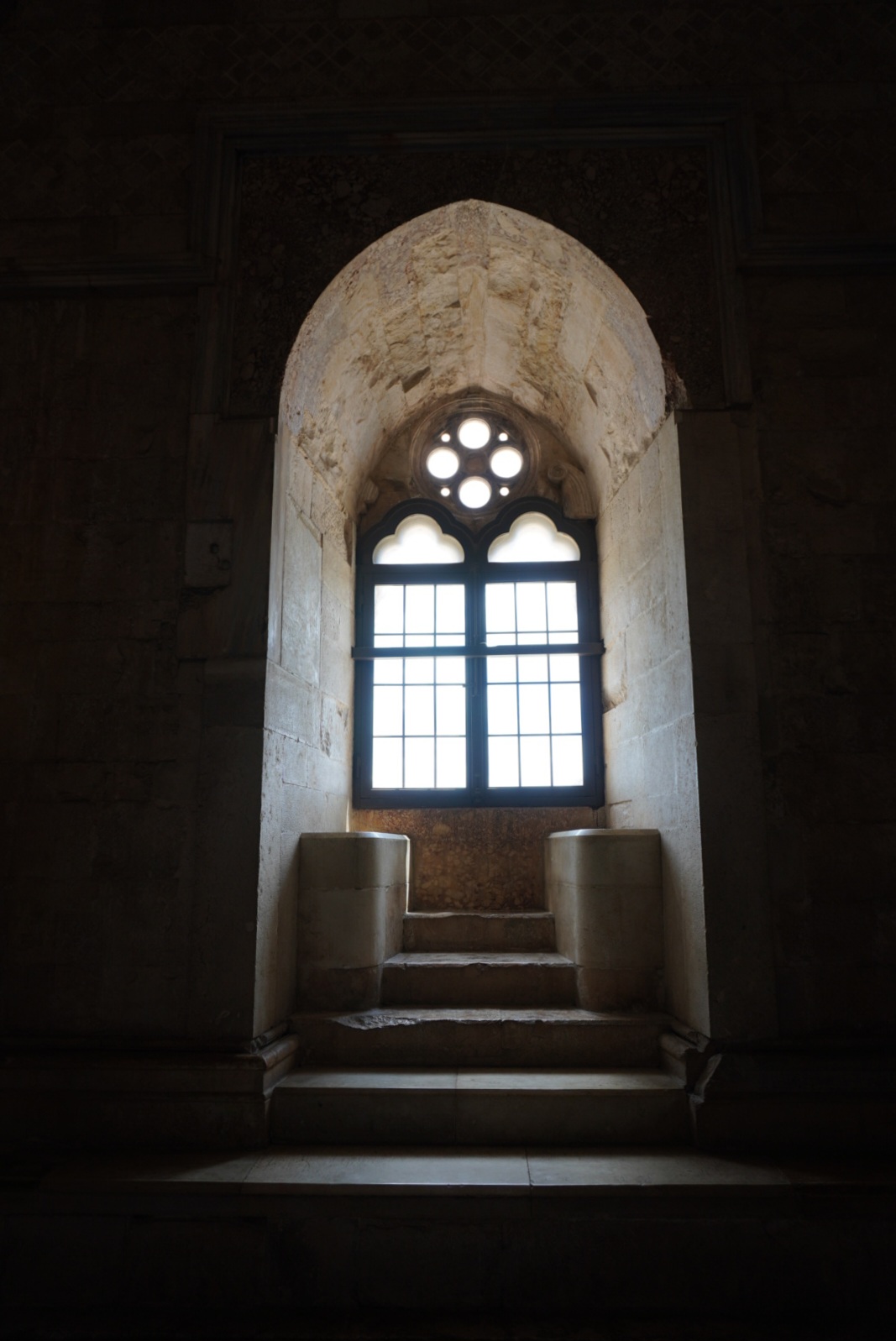
This obsessive recurrence of the number eight makes the fortress of Castel del Monte an esoteric place that has fascinated the best scholars for centuries. But the fortress has more mysteries for you to slowly discover during your visit. The building is accessed through the entrance portal, a large Arab-style arch with a Greco-Roman tympanum and Gothic double-arched windows.
The light colour of the limestone and white marble façades also characterises the interior, now stripped of the decorations that once adorned it. The light illuminating the ground floor comes from eight single-arched windows located on each of the eight sides of the floor plan. The same number of windows can be found on the upper floor, with one small difference: seven windows are double arched, while only one, that facing Andria, is triple arched.
You really cannot miss to visit it if you are in Apulia.
#castle #fortress #apulia...
Read moreCastel del Monte stands as a striking medieval fortress on a hilltop in the Apulia region of southern Italy, near the town of Andria.
This was built in the 1240s by Emperor Frederick II. This UNESCO World Heritage Site is renowned for its unique octagonal design and its harmonious blend of architectural influences drawn from classical, Islamic, and northern European styles.
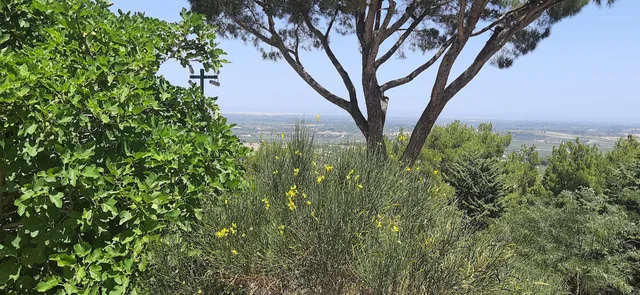
The castle’s elevated position at 540 meters above sea level offers sweeping views of the surrounding Murge plateau and the distant Adriatic coast, making its location both strategic and picturesque.
The structure itself is a marvel of geometry and symbolism, with eight octagonal towers at each corner and two floors, each containing eight rooms. This mathematical precision is believed to reflect Frederick II’s fascination with science, astronomy, and philosophy, and the castle’s orientation and windows were designed to create special light effects at certain times of the year.
Unlike typical medieval fortresses, Castel del Monte lacks defensive features like a moat or drawbridge, reinforcing the idea that it was intended more as a symbol of imperial power and knowledge than as a military stronghold.
Over the centuries, the castle’s role evolved from imperial residence to a refuge during plagues, and later, it suffered periods of neglect and the loss of its original decorations. Restoration efforts in the 19th and 20th centuries have helped preserve its distinctive features, including the advanced hydraulic system that collected and filtered rainwater, and the decorative stonework that unites Romanesque and Gothic elements.
Today, Castel del Monte is celebrated for its architectural perfection and the air of mystery that surrounds its purpose and design. Its isolated hilltop setting, visible from miles around, enhances its enigmatic presence and draws visitors from across the world, making it not only a symbol of Apulia but also a testament to the cultural and scientific...
Read moreBuilding was nice, so one star for that. But if I could turn back time I would definitely not go. It's VERY touristic. We waited in line for at least one hour. Opening times were from 10.15 (April) and we were there at 11. Lots of big groups which, once inside the castle, caused for you to just walk through groups of people instead of enjoying the building itself.
All the rooms look the same so you walk around for maybe 20 minutes and you've seen it all. The other reviews recommend taking a guide, so we thought this was possible at the entrance. It is NOT possible. Only an audio guide. People did not recommend an audio guide so we decided not to take a guide. Just some stuff was explained in English about birds on signs in the building.
We did not have a dog, but people in front of us did. Didn't understand lots of Italian but they made a big deal out of it, it appears even if you have a small dog and you can carry it, it has to be in a carrying bag for dogs? The people almost didn't get in, even after they put their small dog in a plastic bag with its head out. So read rules carefully before you wait in line for 1+ hours and then don't get in...
Read more