HTML SitemapExplore
logo
Find Things to DoFind The Best Restaurants

Puna Pau — Attraction in Easter Island

Name
Puna Pau
Description
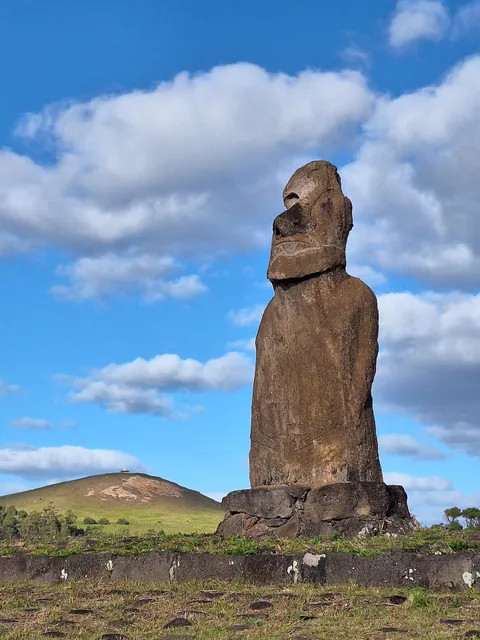
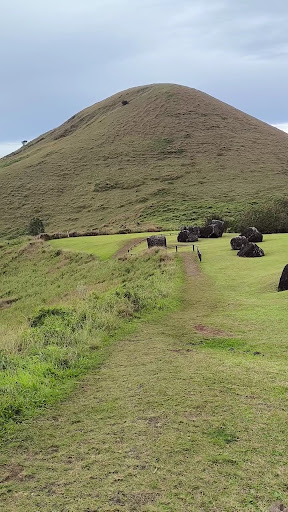
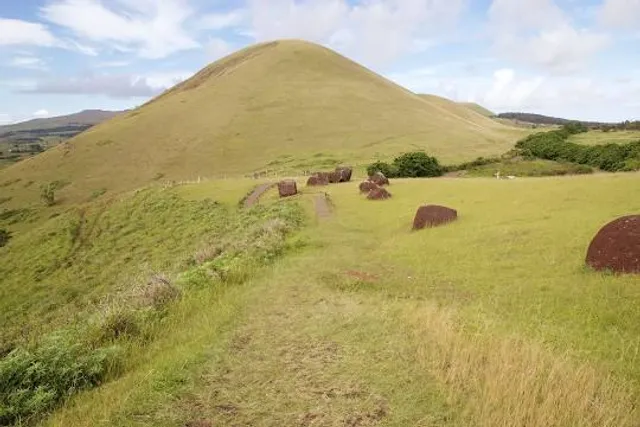
Maunga Puna Pau is a small crater or cinder cone and prehistoric quarry on the outskirts of Hanga Roa in the south west of Easter Island. Puna Pau gives its name to one of the seven regions of the Rapa Nui National Park.
Nearby attractions
Ahu Huri A Urenga
Pia Taro, Isla de Pascua, Valparaíso, Chile
Nearby restaurants
Nearby hotels
Hostal Pukao
Puna Pau s/n, Rapa Nui, Hanga Roa, Isla de Pascua, Chile
Cabañas Henua Iti
Puku Rangi Uka sn, Hanga Roa, Isla de Pascua, Valparaíso, Chile
Related posts
Keywords
Puna Pau tourism.Puna Pau hotels.Puna Pau bed and breakfast. flights to Puna Pau.Puna Pau attractions.Puna Pau restaurants.Puna Pau travel.Puna Pau travel guide.Puna Pau travel blog.Puna Pau pictures.Puna Pau photos.Puna Pau travel tips.Puna Pau maps.Puna Pau things to do.
Puna Pau things to do, attractions, restaurants, events info and trip planning
Puna Pau
ChileValparaiso RegionEaster IslandPuna Pau

Basic Info

Puna Pau

27°08'51.1"S 109°24'12.6"W, Chile
4.7(332)
Open until 5:30 PM
Save
spot

Ratings & Description

Info

Maunga Puna Pau is a small crater or cinder cone and prehistoric quarry on the outskirts of Hanga Roa in the south west of Easter Island. Puna Pau gives its name to one of the seven regions of the Rapa Nui National Park.

Cultural
Outdoor
Scenic
Off the beaten path
attractions: Ahu Huri A Urenga, restaurants:
logoLearn more insights from Wanderboat AI.
Open hoursSee all hours
Mon9 AM - 5:30 PMOpen

Plan your stay

hotel
Pet-friendly Hotels in Easter Island
Find a cozy hotel nearby and make it a full experience.
hotel
Affordable Hotels in Easter Island
Find a cozy hotel nearby and make it a full experience.
hotel
The Coolest Hotels You Haven't Heard Of (Yet)
Find a cozy hotel nearby and make it a full experience.
hotel
Trending Stays Worth the Hype in Easter Island
Find a cozy hotel nearby and make it a full experience.

Reviews

Nearby attractions of Puna Pau

Ahu Huri A Urenga

Ahu Huri A Urenga

Ahu Huri A Urenga

4.8

(142)

Open 24 hours
Click for details
Get the Appoverlay
Get the AppOne tap to find yournext favorite spots!
Wanderboat LogoWanderboat

Your everyday Al companion for getaway ideas

CompanyAbout Us
InformationAI Trip PlannerSitemap
SocialXInstagramTiktokLinkedin
LegalTerms of ServicePrivacy Policy

Get the app

© 2025 Wanderboat. All rights reserved.
logo

Reviews of Puna Pau

4.7
(332)
avatar
3.0
2y

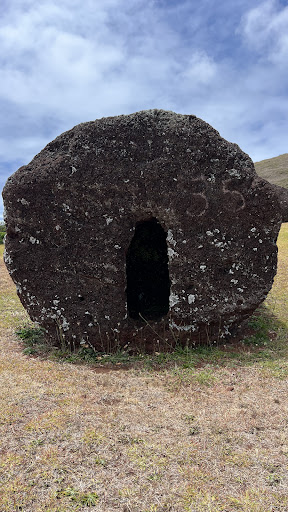
[Guide Required] This is the quarry where they mined the red Pukao or “top-knots”, the circular objects that were placed on the heads of the finished Moai. Contrary to popular belief, these symbolized their hair, they were not hats.

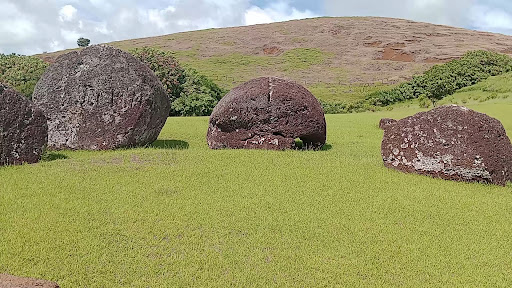
Pukao were also used to store food, water, human remains, and occasionally offerings were burnt inside of them. You can see several VERY large Pukao that didn’t make it far from this quarry.

With that being said, this quarry is pretty lame compared to the one where the Moai’s were carved from, and can...

   Read more
avatar
5.0
1y

Puna Pau es un pequeño volcán extinto, en el interior de su cráter hay una cantera de escoria roja  o hani hani, en idioma rapanui, es una ceniza volcánica de gran porosidad y escasa dureza, facil de tallar, debido al óxido de hierro tiene unl color rojo el que es un color simbólico asociado a los ritos sagrados y al mana o fuerza espiritual. Actualmente, el cráter del Puna Pau es sólo una depresión en el terreno, debido a que aquí desarrolló un intenso trabajo de extraccion para la elaboración de los pukao que coronaban algunas de las estatuas de Isla de Pascua. En el año 2010, arqueólogos británicos, descubrieron a un metro de profundidad el camino por el que trasladaban los pukao hasta los altares ceremoniales, los hacían rodar por una carretera construida con un cemento de polvo de escoria roja comprimido, lo más probable es que increíblemente fueron empujados a mano y ayudados con troncos de madera para llevarlos entre otras a plataformas como Ahu Nau Nau o Ahu Tongariki, las que se encuentran a más de 10 kilometros a través de un terreno irregular con colinas de origen volcánico. A finales del siglo XVII hubo violentos enfrentamientos entre los clanes de la isla, Todas las estatuas fueron abatidas, casi todas acabaron rotas y olvidadas. Los pukao posteriormente  fueron reutilizados para grabar sobre ellos una gran variedad de símbolos, la mayoría de los cuales aún están por descifrar, actualmente es difícil apreciar con claridad los petroglifos presentes en los pukao, debido a la erosión sufrida por la superficie porosa y rugosa...

   Read more
avatar
5.0
7y

Puna Pau liegt nahe am Hauptort Hanga Roa. Hier gibt es rotes Vulkangestein, welches zur Herstellung der Pukao oder "Hüte" der Moai verwendet wurde. Man sieht hier den alten Steinbruch, und etwa 20 fertig gestellte Pukao die offensichtlich keine Abnahme mehr fanden. Von hier aus hat man einen schoenen Blick auf Hanga Roa und die suedwestlich Insel. Was genau die Pukao als Kopfbedeckung darstellten ist nicht geklaert. Einige denken, dass sie die Federhüte der Krieger darstellen, aber die Mehrheit der Wissenschaftler meint, dass sie Bänder darstellen - da die alten Insulaner ihre langen Haare darin aufwickelten und sie rötlich färbten. Ein Pukao wiegt bis zu 11 Tonnen, und war deshalb nicht einfach zu bewegen, auch wenn es bergab ging. Es wird vermutet, dass sie rollend transportiert wurden, von Hand mittels Holzstangen geschoben und gestoppt. Aber wie haben hat man sie sie am Ahu auf den Kopf des Moai platziert? Die am weitesten verbreitete Hypothese besagt, dass Steinrampen zum Kopf der Maoi gebaut wurden, um die Pukao durch Rollen zu heben, eine andere Theorie besagt, dass die Moai gleichzeitig mit der Pukao erhoben wurden, verbunden durch Seile und Stämme. Auf jeden Fall gibt es hier interessantes zu sehen, und man hat eine schoene Auswahl an Hueten. Manche mit eindrucksvollen...

   Read more
Page 1 of 7
Previous
Next

Posts

Matt ShaverMatt Shaver
[Guide Required] This is the quarry where they mined the red Pukao or “top-knots”, the circular objects that were placed on the heads of the finished Moai. Contrary to popular belief, these symbolized their hair, they were not hats. Pukao were also used to store food, water, human remains, and occasionally offerings were burnt inside of them. You can see several VERY large Pukao that didn’t make it far from this quarry. With that being said, this quarry is pretty lame compared to the one where the Moai’s were carved from, and can probably be skipped.
Alejandro HidalgoAlejandro Hidalgo
Puna Pau es un pequeño volcán extinto, en el interior de su cráter hay una cantera de escoria roja  o hani hani, en idioma rapanui, es una ceniza volcánica de gran porosidad y escasa dureza, facil de tallar, debido al óxido de hierro tiene unl color rojo el que es un color simbólico asociado a los ritos sagrados y al mana o fuerza espiritual. Actualmente, el cráter del Puna Pau es sólo una depresión en el terreno, debido a que aquí desarrolló un intenso trabajo de extraccion para la elaboración de los pukao que coronaban algunas de las estatuas de Isla de Pascua. En el año 2010, arqueólogos británicos, descubrieron a un metro de profundidad el camino por el que trasladaban los pukao hasta los altares ceremoniales, los hacían rodar por una carretera construida con un cemento de polvo de escoria roja comprimido, lo más probable es que increíblemente fueron empujados a mano y ayudados con troncos de madera para llevarlos entre otras a plataformas como Ahu Nau Nau o Ahu Tongariki, las que se encuentran a más de 10 kilometros a través de un terreno irregular con colinas de origen volcánico. A finales del siglo XVII hubo violentos enfrentamientos entre los clanes de la isla, Todas las estatuas fueron abatidas, casi todas acabaron rotas y olvidadas. Los pukao posteriormente  fueron reutilizados para grabar sobre ellos una gran variedad de símbolos, la mayoría de los cuales aún están por descifrar, actualmente es difícil apreciar con claridad los petroglifos presentes en los pukao, debido a la erosión sufrida por la superficie porosa y rugosa de la escoria.
Guenter SchatzGuenter Schatz
Puna Pau liegt nahe am Hauptort Hanga Roa. Hier gibt es rotes Vulkangestein, welches zur Herstellung der Pukao oder "Hüte" der Moai verwendet wurde. Man sieht hier den alten Steinbruch, und etwa 20 fertig gestellte Pukao die offensichtlich keine Abnahme mehr fanden. Von hier aus hat man einen schoenen Blick auf Hanga Roa und die suedwestlich Insel. Was genau die Pukao als Kopfbedeckung darstellten ist nicht geklaert. Einige denken, dass sie die Federhüte der Krieger darstellen, aber die Mehrheit der Wissenschaftler meint, dass sie Bänder darstellen - da die alten Insulaner ihre langen Haare darin aufwickelten und sie rötlich färbten. Ein Pukao wiegt bis zu 11 Tonnen, und war deshalb nicht einfach zu bewegen, auch wenn es bergab ging. Es wird vermutet, dass sie rollend transportiert wurden, von Hand mittels Holzstangen geschoben und gestoppt. Aber wie haben hat man sie sie am Ahu auf den Kopf des Moai platziert? Die am weitesten verbreitete Hypothese besagt, dass Steinrampen zum Kopf der Maoi gebaut wurden, um die Pukao durch Rollen zu heben, eine andere Theorie besagt, dass die Moai gleichzeitig mit der Pukao erhoben wurden, verbunden durch Seile und Stämme. Auf jeden Fall gibt es hier interessantes zu sehen, und man hat eine schoene Auswahl an Hueten. Manche mit eindrucksvollen Petroglyphen verziert.
See more posts
See more posts
hotel
Find your stay

Pet-friendly Hotels in Easter Island

Find a cozy hotel nearby and make it a full experience.

[Guide Required] This is the quarry where they mined the red Pukao or “top-knots”, the circular objects that were placed on the heads of the finished Moai. Contrary to popular belief, these symbolized their hair, they were not hats. Pukao were also used to store food, water, human remains, and occasionally offerings were burnt inside of them. You can see several VERY large Pukao that didn’t make it far from this quarry. With that being said, this quarry is pretty lame compared to the one where the Moai’s were carved from, and can probably be skipped.
Matt Shaver

Matt Shaver

hotel
Find your stay

Affordable Hotels in Easter Island

Find a cozy hotel nearby and make it a full experience.

Get the Appoverlay
Get the AppOne tap to find yournext favorite spots!
Puna Pau es un pequeño volcán extinto, en el interior de su cráter hay una cantera de escoria roja  o hani hani, en idioma rapanui, es una ceniza volcánica de gran porosidad y escasa dureza, facil de tallar, debido al óxido de hierro tiene unl color rojo el que es un color simbólico asociado a los ritos sagrados y al mana o fuerza espiritual. Actualmente, el cráter del Puna Pau es sólo una depresión en el terreno, debido a que aquí desarrolló un intenso trabajo de extraccion para la elaboración de los pukao que coronaban algunas de las estatuas de Isla de Pascua. En el año 2010, arqueólogos británicos, descubrieron a un metro de profundidad el camino por el que trasladaban los pukao hasta los altares ceremoniales, los hacían rodar por una carretera construida con un cemento de polvo de escoria roja comprimido, lo más probable es que increíblemente fueron empujados a mano y ayudados con troncos de madera para llevarlos entre otras a plataformas como Ahu Nau Nau o Ahu Tongariki, las que se encuentran a más de 10 kilometros a través de un terreno irregular con colinas de origen volcánico. A finales del siglo XVII hubo violentos enfrentamientos entre los clanes de la isla, Todas las estatuas fueron abatidas, casi todas acabaron rotas y olvidadas. Los pukao posteriormente  fueron reutilizados para grabar sobre ellos una gran variedad de símbolos, la mayoría de los cuales aún están por descifrar, actualmente es difícil apreciar con claridad los petroglifos presentes en los pukao, debido a la erosión sufrida por la superficie porosa y rugosa de la escoria.
Alejandro Hidalgo

Alejandro Hidalgo

hotel
Find your stay

The Coolest Hotels You Haven't Heard Of (Yet)

Find a cozy hotel nearby and make it a full experience.

hotel
Find your stay

Trending Stays Worth the Hype in Easter Island

Find a cozy hotel nearby and make it a full experience.

Puna Pau liegt nahe am Hauptort Hanga Roa. Hier gibt es rotes Vulkangestein, welches zur Herstellung der Pukao oder "Hüte" der Moai verwendet wurde. Man sieht hier den alten Steinbruch, und etwa 20 fertig gestellte Pukao die offensichtlich keine Abnahme mehr fanden. Von hier aus hat man einen schoenen Blick auf Hanga Roa und die suedwestlich Insel. Was genau die Pukao als Kopfbedeckung darstellten ist nicht geklaert. Einige denken, dass sie die Federhüte der Krieger darstellen, aber die Mehrheit der Wissenschaftler meint, dass sie Bänder darstellen - da die alten Insulaner ihre langen Haare darin aufwickelten und sie rötlich färbten. Ein Pukao wiegt bis zu 11 Tonnen, und war deshalb nicht einfach zu bewegen, auch wenn es bergab ging. Es wird vermutet, dass sie rollend transportiert wurden, von Hand mittels Holzstangen geschoben und gestoppt. Aber wie haben hat man sie sie am Ahu auf den Kopf des Moai platziert? Die am weitesten verbreitete Hypothese besagt, dass Steinrampen zum Kopf der Maoi gebaut wurden, um die Pukao durch Rollen zu heben, eine andere Theorie besagt, dass die Moai gleichzeitig mit der Pukao erhoben wurden, verbunden durch Seile und Stämme. Auf jeden Fall gibt es hier interessantes zu sehen, und man hat eine schoene Auswahl an Hueten. Manche mit eindrucksvollen Petroglyphen verziert.
Guenter Schatz

Guenter Schatz

See more posts
See more posts