Wanshou Temple things to do, attractions, restaurants, events info and trip planning
Basic Info
Wanshou Temple
China, Beijing, Haidian District, 魏公村 邮政编码: 100089
4.3(16)
Open 24 hours
Save
spot
spot
Ratings & Description
Info
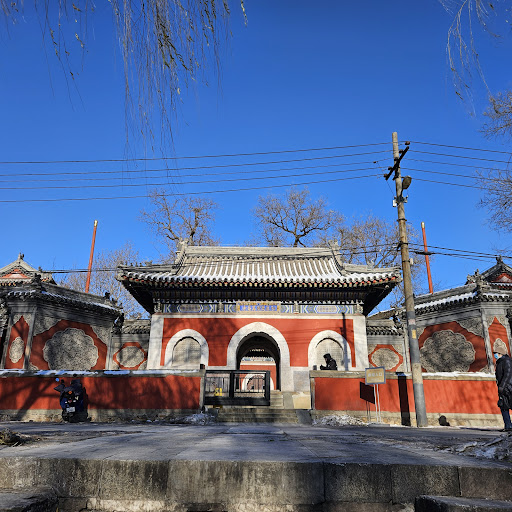
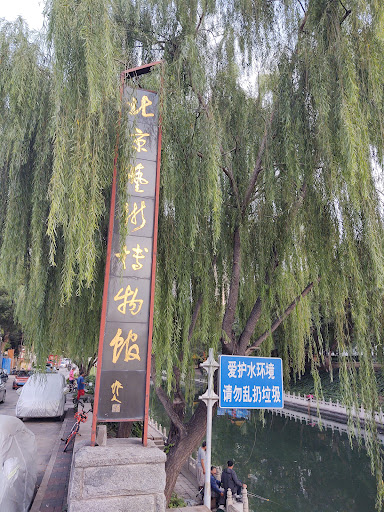
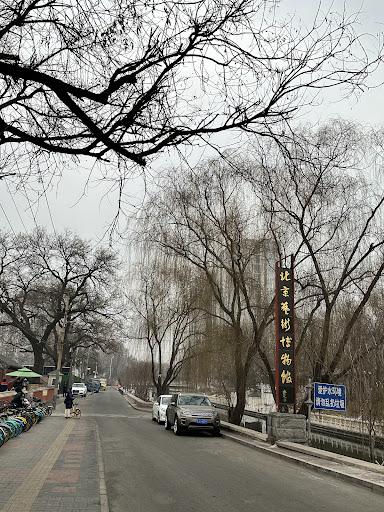
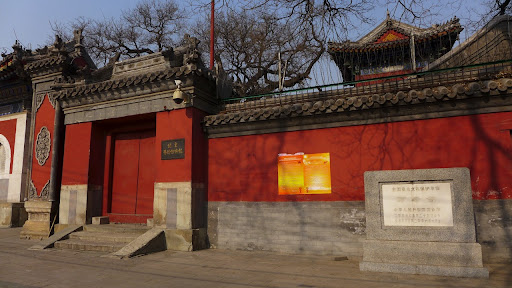
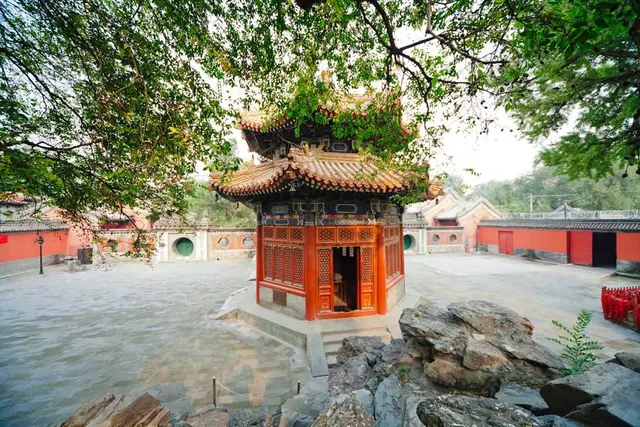
The Wanshou Temple is a temple located at No.121, Wanshousi Road, Zizhuyuan Subdistrict, Haidian District, Beijing. In addition to being a Buddhist temple, the Wanshou Temple also houses the Beijing Art Museum. It was built in 1577 during the Wanli era of the Ming dynasty to store Chinese Buddhist scriptures.
Cultural
Scenic
Family friendly
Accessibility
attractions: 紫竹院公园北门, 紫竹院公园, restaurants: Hongmao Dumplings, Donglaishun, Shang Palace, 海底捞火锅紫竹桥店, Fanjia Restaurant, Jiangxi Restaurant, Mo Mo Coffe, KFC, 东来顺饭庄, Kuan Alley Zilaozao Hot Pot, local businesses: Beijing Dance Academy
 Learn more insights from Wanderboat AI.
Phone
+86 10 6845 6997
Plan your stay

Pet-friendly Hotels in Beijing
Find a cozy hotel nearby and make it a full experience.

Affordable Hotels in Beijing
Find a cozy hotel nearby and make it a full experience.

The Coolest Hotels You Haven't Heard Of (Yet)
Find a cozy hotel nearby and make it a full experience.

Trending Stays Worth the Hype in Beijing
Find a cozy hotel nearby and make it a full experience.
Reviews
Live events

昆仑巢OpenClaw 周末黑客松
Sat, Feb 28 • 2:00 AM
Raycom Info. Center Building A, Rong Ke Zi Xun Zhong Xin A Zuo, Financial Street, Hai Dian Qu, Bei Jing Shi, China, 100190
View details

Web4.0中国行(OpenClaw Agent主题交流) - 北京站
Sat, Feb 28 • 6:00 AM
Bei Jing Shi
View details
Nearby attractions of Wanshou Temple
紫竹院公园北门
紫竹院公园
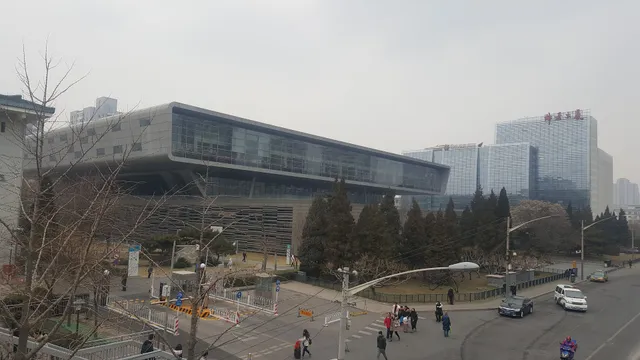
紫竹院公园北门
4.5
(15)
Open 24 hours
Click for details
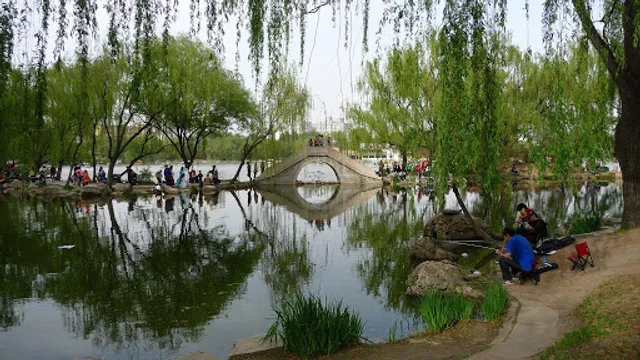
紫竹院公园
4.5
(66)
Open 24 hours
Click for details
Nearby restaurants of Wanshou Temple
Hongmao Dumplings
Donglaishun
Shang Palace
海底捞火锅紫竹桥店
Fanjia Restaurant
Jiangxi Restaurant
Mo Mo Coffe
KFC
东来顺饭庄
Kuan Alley Zilaozao Hot Pot
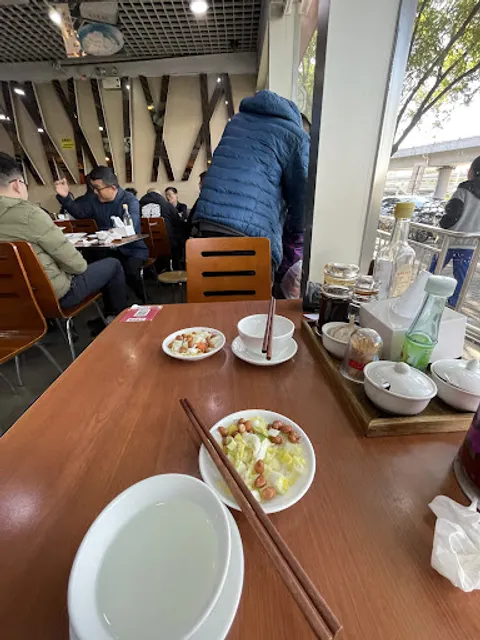
Hongmao Dumplings
4.5
(3)
Click for details
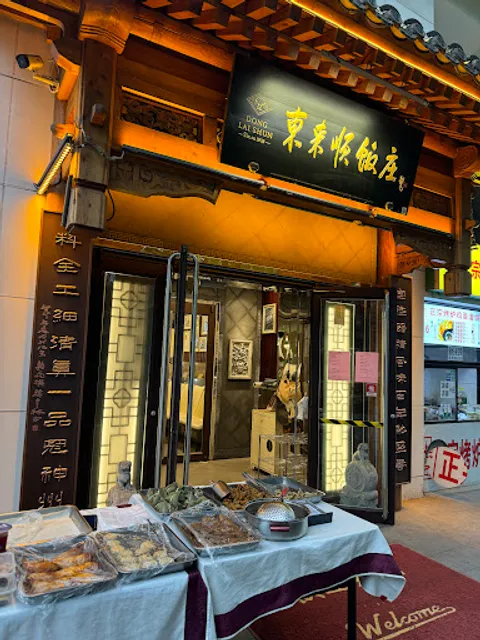
Donglaishun
4.8
(4)
Click for details
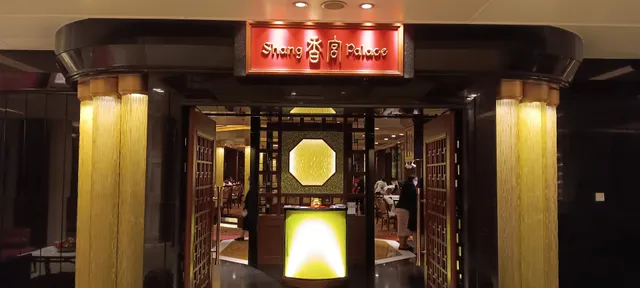
Shang Palace
4.3
(2)
$$$
Open until 10:00 PM
Click for details
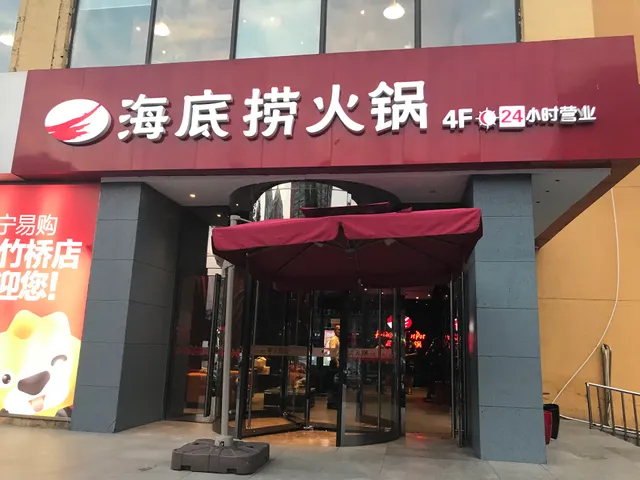
海底捞火锅紫竹桥店
4.2
(25)
$$
Open until 10:00 PM
Click for details
Nearby local services of Wanshou Temple
Beijing Dance Academy
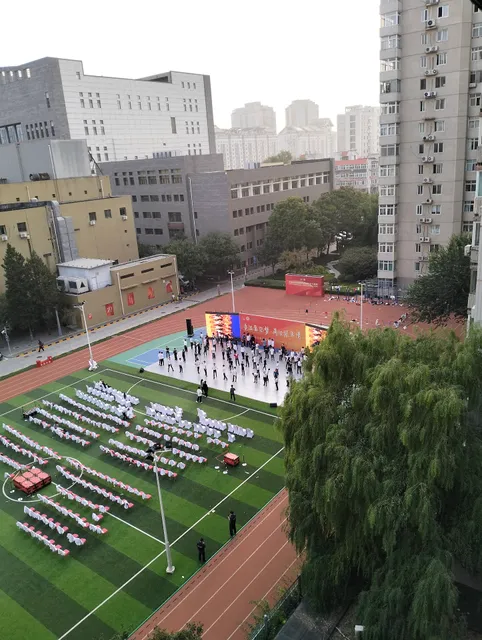
Beijing Dance Academy
4.8
(12)
Click for details