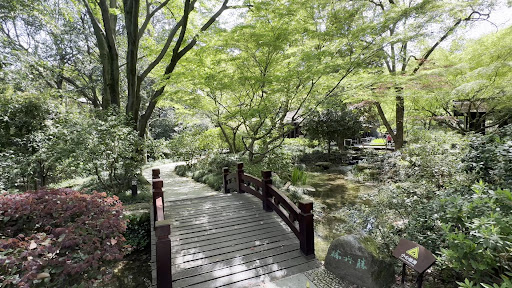
용정차(龙井茶,lóngjǐngchá)는 항저우 용정 마을에서 서호 호포천 물로 재배하여 용차호수(龍茶虎水) 라고 부르며 줄여서 용정차라고 부른다.
용정차는 짙은 향, 부드러운맛, 비취 색,미엽이라는 4가지 특징을 가지고 있으며 최고급,고급 그리고 1등급 에서 5등급의 7개 등급으로 나뉜다.
용정차는 임금이 차밭에 벼슬을 내릴정도로 호평받는 중국의 10대 명차중 하나이며 벽라춘과 함께 발효를 시키지 않는 대표적인 차이다.
서호 용정차는 사람, 자연, 문화 3자간의 완벽한 결합을 보여주는 아주 중요한 물질적, 문화적 유산이며 자연에서 왔지만 역사적, 인문적,사회적 의미도 같이 지닌다.
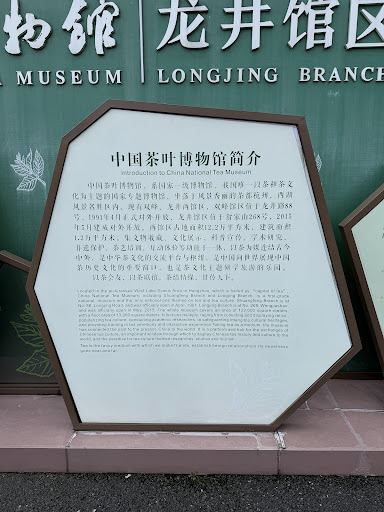
용정차 박물관(China National Tea Museum,中国茶叶博物馆:China,Zhejiang,Hangzhou,Xihu, lungjinglo 88)은 차를 테마로 한 박물관으로 주변은 용정차 밭이 둘러싸고 있어 아름다운 항저우의 자연을 느끼기에 좋은 곳으로
용정차의 기원부터 발전역사, 생장환경,대표품종, 제차 기법, 천년을 거친 인문학적인 역사 이야기등을 완전하게 보여준다.
용정차박물관(中国茶叶博物馆, China National Tea Museum)은 2개의 박물관 으로 구성되어 있는데 하나는 서호 바로 옆에 위치한 쌍펑관구(双峰馆区)로 중국 차 역사, 문화,종류 등이 주로 전시되어 있고 용정관구(龙井馆区)는 항저우 용정촌(龙井村,용정차마을) 바로 옆에 조그만 산을 차공원으로 꾸며 놓은 곳이다.
매가오촌(梅家坞村)은 5A급 국가 명승지인 항저우 서호 풍경구의 서쪽 내륙 매령터널(梅嶺隧道) 남쪽에 위치하고 있으며 600년 이상의 중국차 재배 역사를 가지고 있습니다.
이 마을은 5.6km"의 면적으로 매령로 양쪽을 따라 15km이상 뻗어 있으며 샤오야우,라오쿤,신쿤의 3개 주요 블록으로 구성되어 있습니다. 약 550개의 농가가 차 밭 농사를 짓고 있다고 합니다.
이곳은 서호 용정차의 1급 보호 주요 생산 구역 중 하나로 차 생산과 관광 명소로 개발되어 용정차를 맛보며 구매를 할 수도 있고 차밭에서 사진도 찍을 수 있어 많은 사람들의 사랑을 받고 있습니다.
Longjing tea (龙井茶, lóngjǐngchá) is grown in Hangzhou Longjing Village with water from the West Lake Hopocheon River, and is called Longcha Lake Water (龍茶虎水), or Longjing tea for short.
Longjing tea has four characteristics: strong fragrance, mild taste, jade color, and fine leaves, and is divided into seven grades: top grade, high grade, and grade 1 to grade 5.
Longjing tea is one of the ten most famous teas in China, so highly regarded that the king gave officials to tea plantations, and is a representative tea that does not undergo fermentation along with Biluochun.
West Lake Longjing tea is a very important material and cultural heritage that shows the perfect combination of people, nature, and culture. It comes from nature, but also has historical, humanistic, and social significance.
The China National Tea Museum (中国茶叶博物馆: China, Zhejiang, Hangzhou, Xihu, lungjinglo 88) is a tea-themed museum surrounded by Longjing tea fields, making it a great place to experience the beautiful nature of Hangzhou. It fully displays the origins of Longjing tea, its development history, growing environment, representative varieties, tea-making techniques, and the humanistic history of a thousand years.
The China National Tea Museum (中国茶叶博物馆) consists of two museums. One is the Shuangfeng Museum (双峰馆区) located right next to West Lake, which mainly exhibits the history, culture, and types of Chinese tea, and the Longjing Museum (龙井馆区) is a small mountain right next to Hangzhou's Longjing Village (龙井村, Longjing Tea Village) that has been turned into a tea park.
Meijia Village (梅家坞村) is located in the south of Meiling Tunnel (梅嶺隧道) in the western inland of Hangzhou West Lake Scenic Area, a 5A-level national scenic spot, and has a history of more than 600 years of Chinese tea cultivation.
The village covers an area of 5.6km2, extending along Meiling Road for more than 15km, and is composed of three major blocks: Xiaoyao, Laocun, and Xincun. It is said that about 550 farmers are engaged in tea farming.
This is one of the first-level protected key production areas of West Lake Longjing tea, and has been developed into a tea production and tourist attraction, where you can taste and buy Longjing tea and take pictures in the tea fields, and it is loved by many...
Read more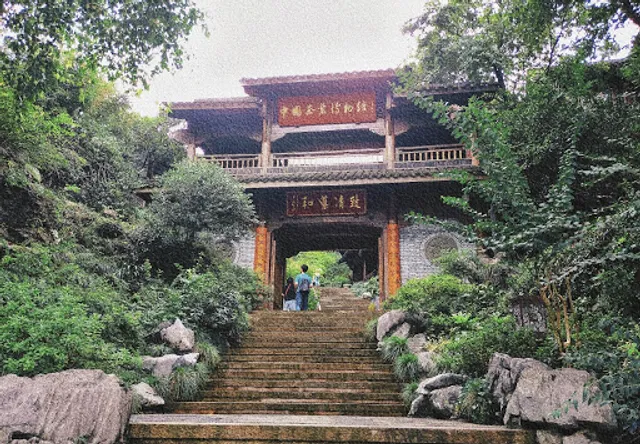
 Learn more insights from Wanderboat AI.