Ming Palace things to do, attractions, restaurants, events info and trip planning
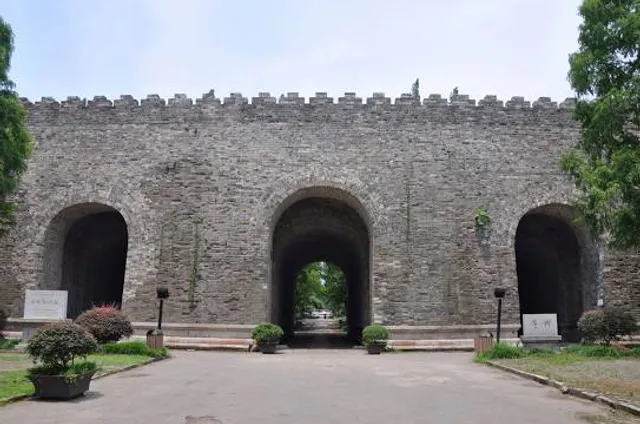
Basic Info
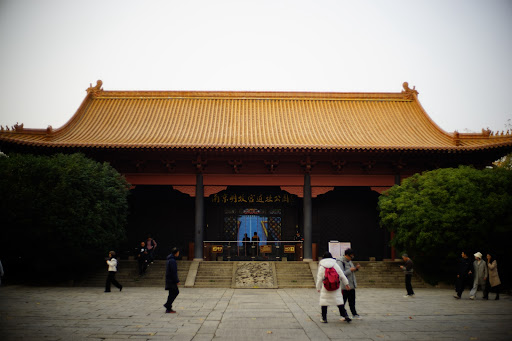
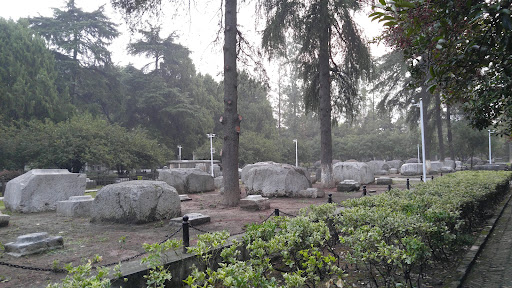
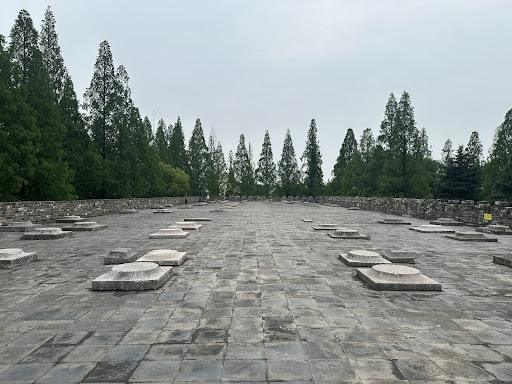
Ming Palace
2RQ9+72J, Minggugong Rd, Qinhuai District, Nanjing, Jiangsu, China, 210095
4.3(47)
Open 24 hours
Save
spot
spot
Ratings & Description
Info
Cultural
Outdoor
Scenic
Family friendly
attractions: Nanjing Ming Palace Museum Relics Park (South Gate), Second Historical Archives of China, Nanjing Museum, Zhongshanmen, restaurants: Grand Metro Park Hotel Nanjing Coffee, Ye Shanghai Zhongshan Salesroom, Be For Time Tea House Snack Booth, 维景国际大酒店汉江餐厅, Guaguajiao Dry Pot Zhuti Restaurant, McDonald's, Ubc Coffee, Daoxianglou Restaurant, Yuji Jiamenkou Hot Pot, local businesses:
 Learn more insights from Wanderboat AI.
Plan your stay

Pet-friendly Hotels in Nanjing City
Find a cozy hotel nearby and make it a full experience.

Affordable Hotels in Nanjing City
Find a cozy hotel nearby and make it a full experience.

The Coolest Hotels You Haven't Heard Of (Yet)
Find a cozy hotel nearby and make it a full experience.

Trending Stays Worth the Hype in Nanjing City
Find a cozy hotel nearby and make it a full experience.
Reviews
Nearby attractions of Ming Palace
Nanjing Ming Palace Museum Relics Park (South Gate)
Second Historical Archives of China
Nanjing Museum
Zhongshanmen
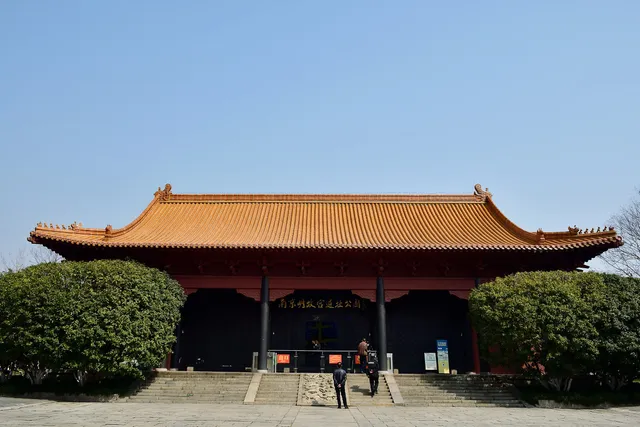
Nanjing Ming Palace Museum Relics Park (South Gate)
3.7
(32)
Open 24 hours
Click for details
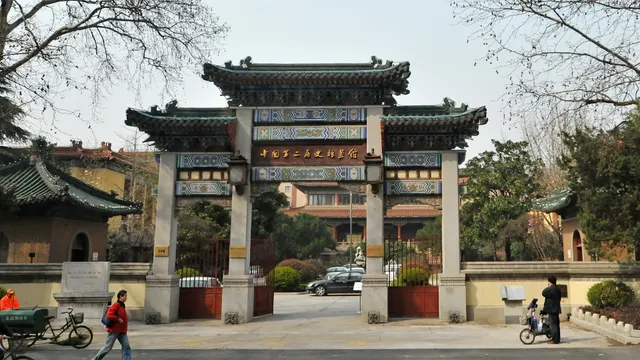
Second Historical Archives of China
4.5
(10)
Open 24 hours
Click for details
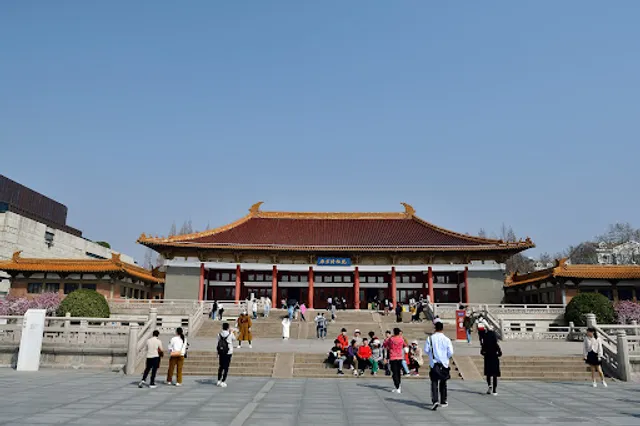
Nanjing Museum
4.2
(127)
Closed
Click for details
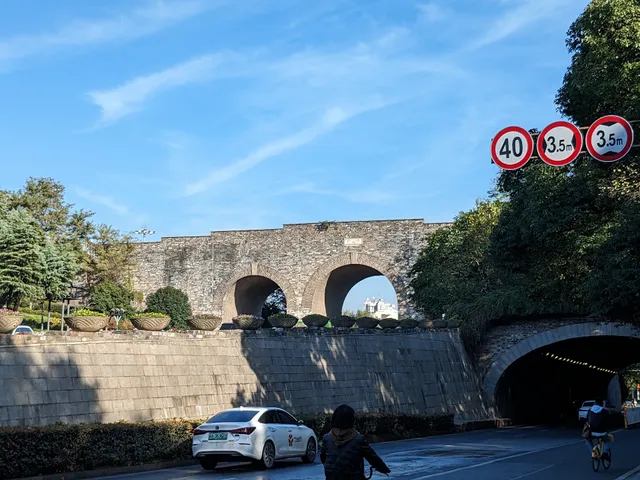
Zhongshanmen
4.5
(10)
Open 24 hours
Click for details
Nearby restaurants of Ming Palace
Grand Metro Park Hotel Nanjing Coffee
Ye Shanghai Zhongshan Salesroom
Be For Time Tea House Snack Booth
维景国际大酒店汉江餐厅
Guaguajiao Dry Pot Zhuti Restaurant
McDonald's
Ubc Coffee
Daoxianglou Restaurant
Yuji Jiamenkou Hot Pot
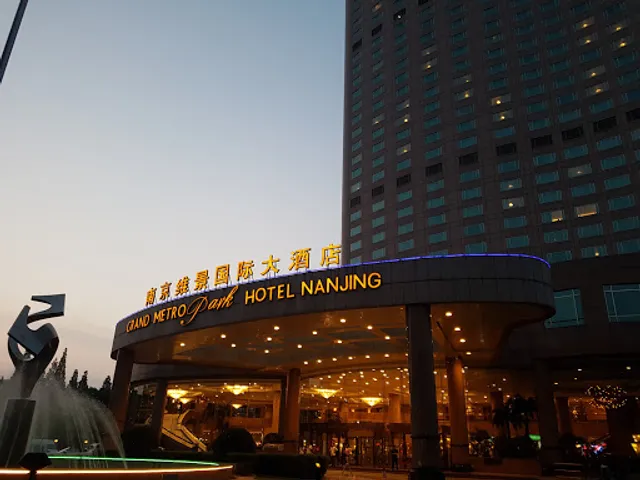
Grand Metro Park Hotel Nanjing Coffee
4.2
(7)
Click for details
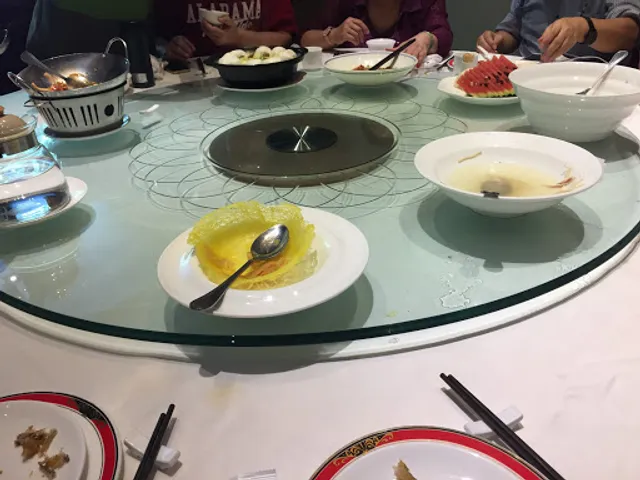
Ye Shanghai Zhongshan Salesroom
5.0
(1)
Click for details
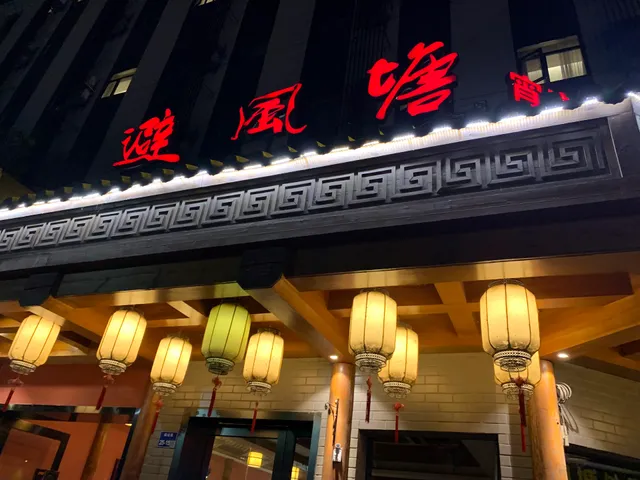
Be For Time Tea House Snack Booth
4.5
(3)
Click for details

维景国际大酒店汉江餐厅
4.7
(2)
Click for details