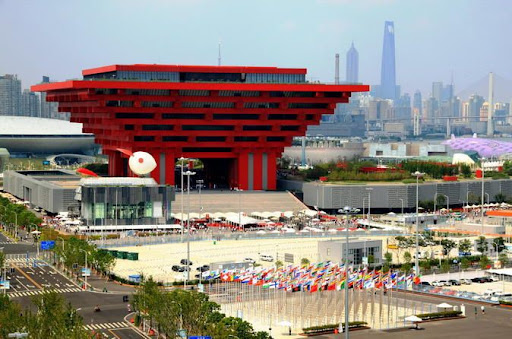
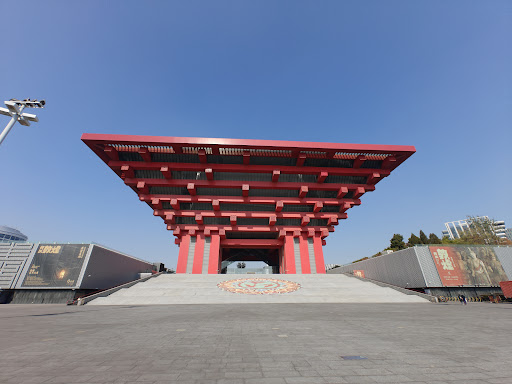
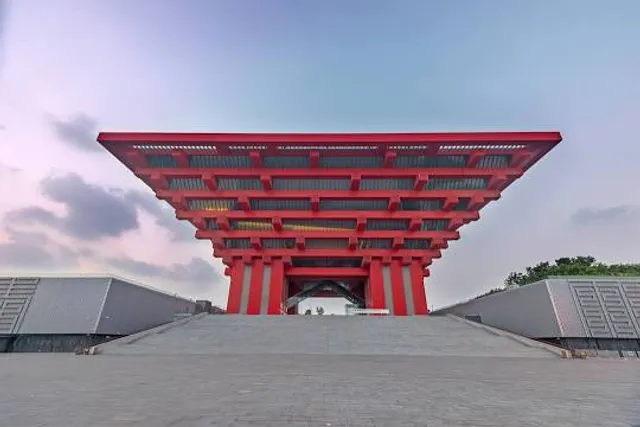
China Art Museum things to do, attractions, restaurants, events info and trip planning
Basic Info
China Art Museum
205 Shangnan Rd, 周家渡 Pudong, Shanghai, China, 200010
4.4(222)
Open until 12:00 AM
Save
spot
spot
Ratings & Description
Info
Cultural
Entertainment
Family friendly
Accessibility
attractions: China Pavilion, Shanghai Expo Park, World Expo Park (East Gate), Shanghai Mercedes - Benz Cultural Center, restaurants: Putian, Huayue Restaurant, Xinwang Restaurant, Shanghai Old Town God's Temple Snack Wangguo, Grandma's Home, Yuejiang, Taidao Southeast Asia Customs, Starbucks Coffee, 太平洋咖啡, Nanmen Shuanrou, local businesses: Shanghai Art Museum, Shanghai World Expo Exhibition and Convention Center, Decathlon Shopping Centre Concept Shop, Expo International Cinema City
 Learn more insights from Wanderboat AI.
Phone
+86 400 921 9021
Website
artmuseumonline.org
Open hoursSee all hours
MonClosedOpen
Plan your stay

Pet-friendly Hotels in Shanghai
Find a cozy hotel nearby and make it a full experience.

Affordable Hotels in Shanghai
Find a cozy hotel nearby and make it a full experience.

The Coolest Hotels You Haven't Heard Of (Yet)
Find a cozy hotel nearby and make it a full experience.

Trending Stays Worth the Hype in Shanghai
Find a cozy hotel nearby and make it a full experience.
Reviews
Live events

AI Tech & Startup Night — Shanghai
Wed, Feb 25 • 10:00 AM
532 Fa Hua Zhen Lu, Chang Ning Qu, Shang Hai Shi, China, 200031
View details
Nearby attractions of China Art Museum
China Pavilion
Shanghai Expo Park
World Expo Park (East Gate)
Shanghai Mercedes - Benz Cultural Center
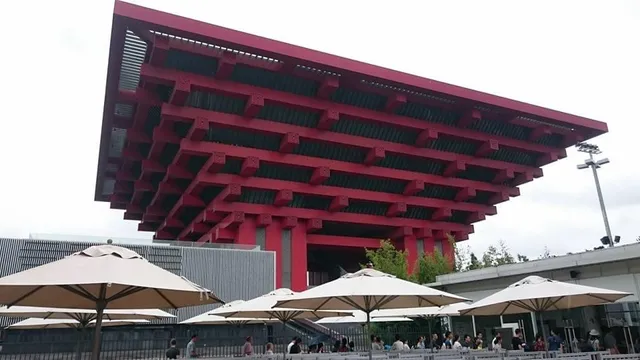
China Pavilion
4.2
(39)
Open 24 hours
Click for details
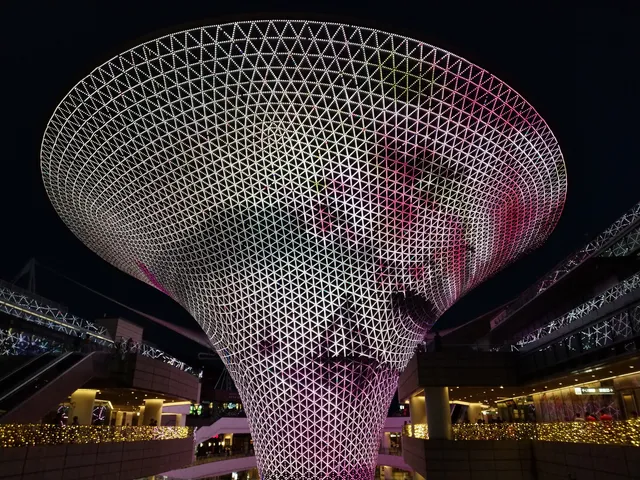
Shanghai Expo Park
4.5
(264)
Open 24 hours
Click for details
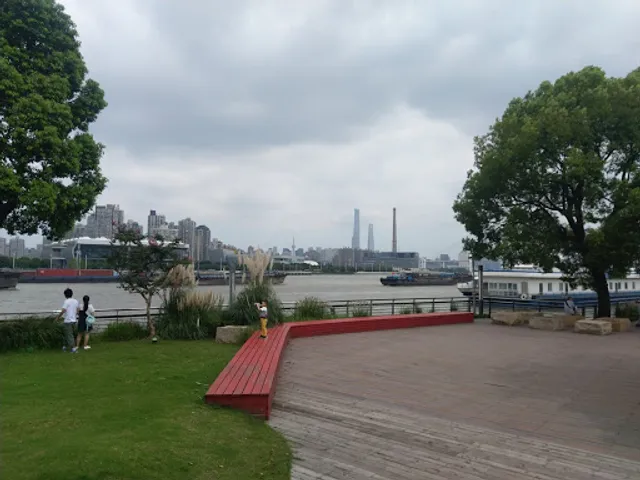
World Expo Park (East Gate)
4.7
(8)
Open 24 hours
Click for details
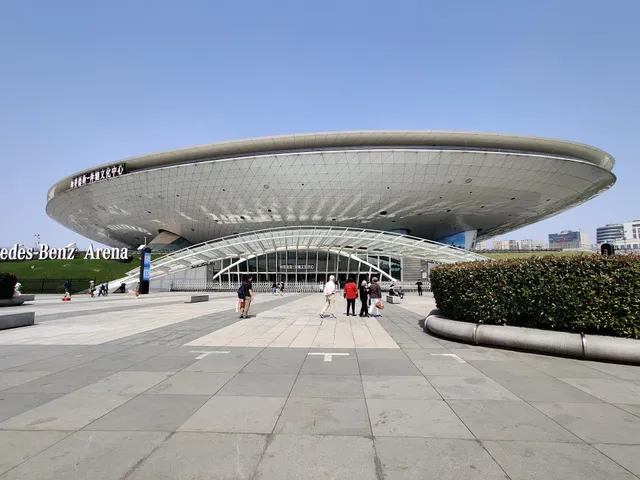
Shanghai Mercedes - Benz Cultural Center
4.7
(12)
Open 24 hours
Click for details
Nearby restaurants of China Art Museum
Putian
Huayue Restaurant
Xinwang Restaurant
Shanghai Old Town God's Temple Snack Wangguo
Grandma's Home
Yuejiang
Taidao Southeast Asia Customs
Starbucks Coffee
太平洋咖啡
Nanmen Shuanrou
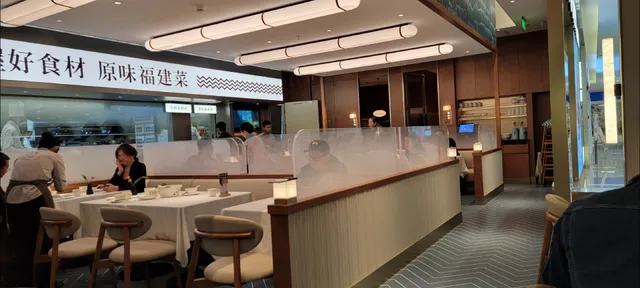
Putian
5.0
(1)
Click for details
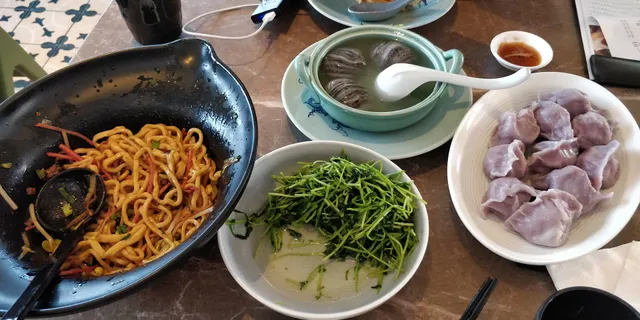
Huayue Restaurant
5.0
(1)
Click for details
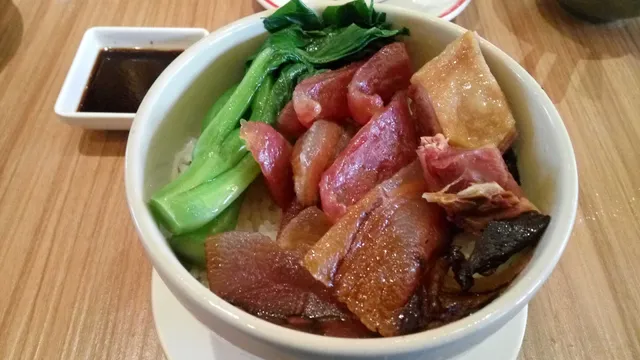
Xinwang Restaurant
4.5
(1)
Click for details
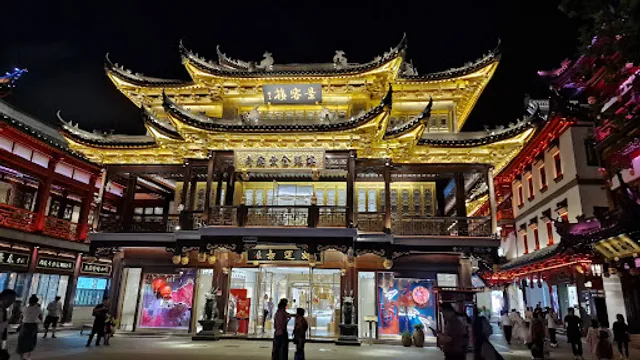
Shanghai Old Town God's Temple Snack Wangguo
3.9
(8)
Open until 10:00 PM
Click for details
Nearby local services of China Art Museum
Shanghai Art Museum
Shanghai World Expo Exhibition and Convention Center
Decathlon Shopping Centre Concept Shop
Expo International Cinema City
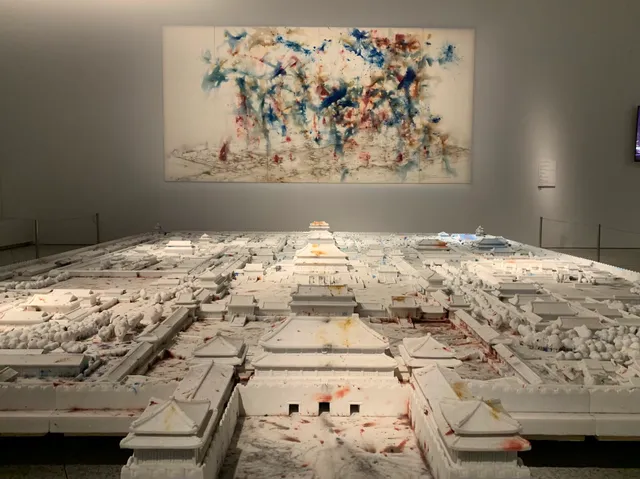
Shanghai Art Museum
4.3
(10)
Click for details
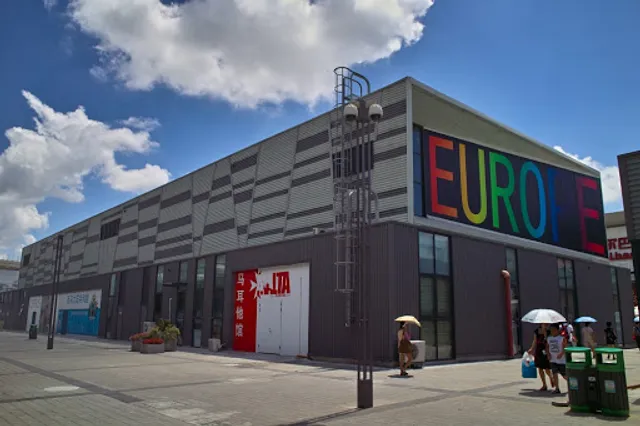
Shanghai World Expo Exhibition and Convention Center
4.4
(428)
Click for details
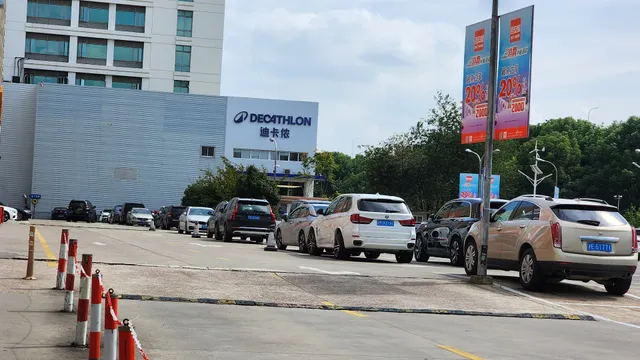
Decathlon Shopping Centre Concept Shop
4.4
(11)
Click for details
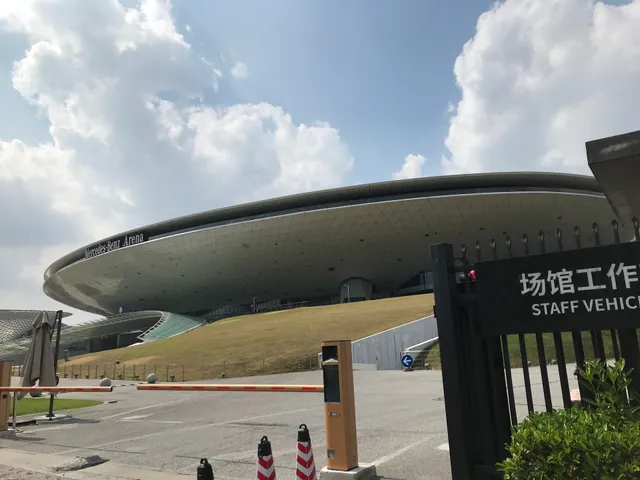
Expo International Cinema City
4.0
(8)
Click for details