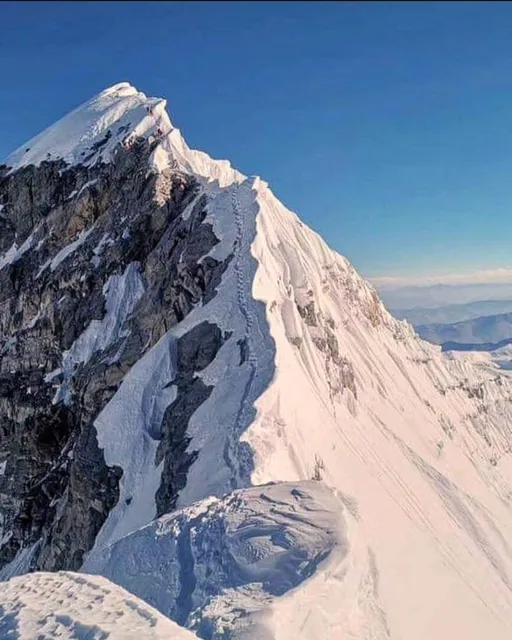
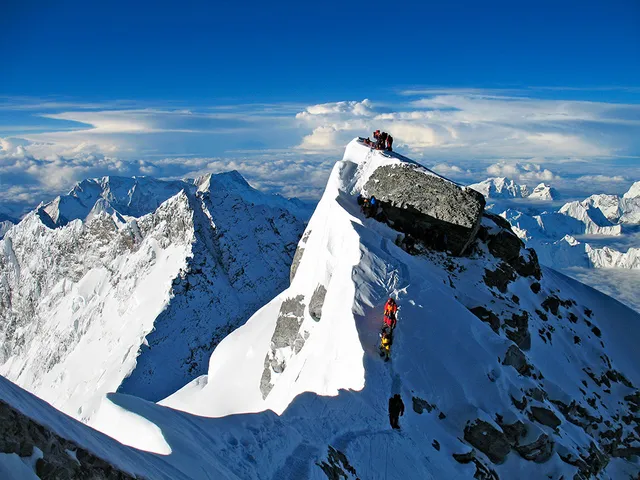
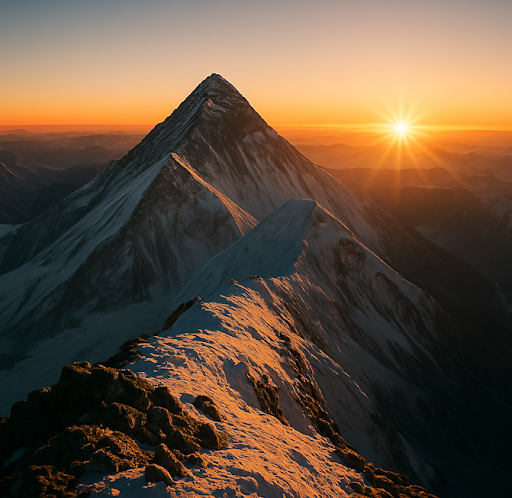
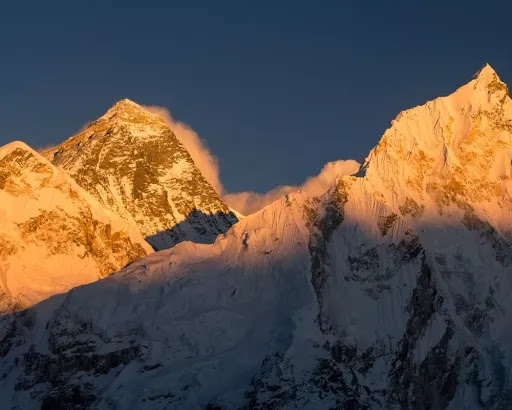
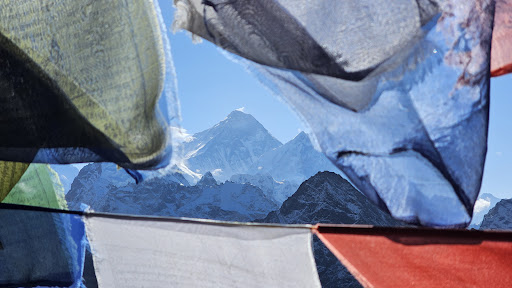
🏔️ Mount Everest – Essential Information for Climbers
📍 General Information
Height: 8,848.86 m (according to the latest 2020 measurement by Nepal & China).
Location: Himalayas, on the border between Nepal and Tibet (China).
Local Names:
Nepali: Sagarmatha (“Forehead of the Sky”)
Tibetan: Chomolungma (“Mother of the Universe”)
First Successful Ascent: May 29, 1953, by Sir Edmund Hillary (New Zealand) and Tenzing Norgay (Sherpa).
⛰️ Climbing Routes
South Route (Nepal): The most popular route, used by most climbers.
North Route (Tibet/China): Colder and windier, but technically more stable.
🏕️ Camps & Climbing Process
Base Camp:
Nepal side: ~5,364 m
Tibet side: ~5,150 m
Higher Camps: Camp 1, 2, 3, and 4 (~7,900 m).
Death Zone: Above 8,000 m, oxygen levels are too low for the human body to survive long.
🌡️ Climate & Difficulties
Temperature: Can drop to -60°C.
Wind: Up to 200 km/h.
Best Season: April–May and September–October.
Major Risks: Blizzards, avalanches, icefalls, altitude sickness, frostbite, oxygen shortage.
🧗 Equipment & Essentials
Oxygen bottles (mandatory for survival in the Death Zone).
Layered mountaineering clothing (windproof and insulated).
High-altitude boots, crampons, ice axe, ropes, carabiners.
Satellite phone, GPS, maps.
Sherpa guides (local mountaineers who carry loads and guide climbers).
⚠️ Dangers
Altitude Sickness (AMS): Dizziness, nausea, unconsciousness.
Frostbite & Snow Blindness.
Avalanches & Icefalls.
Extreme fatigue & oxygen deficiency.
📊 Interesting Facts
Since 1953, over 8,000 climbers have reached the summit.
More than 300 climbers died, many bodies remain on the mountain.
It usually takes around 2 months (including acclimatization) to complete the climb.
Everest has a serious waste problem (abandoned tents, oxygen bottles, trash).
🏋️♂️ Everest Preparation Checklist
Physical Preparation
Endurance training: Long-distance running, cycling, swimming.
Strength training: Legs, back, and core muscles.
Loaded hikes: Climbing steep slopes with a backpack.
Hypoxia training: High-altitude simulations or oxygen-restricting masks.
Mental Preparation
Training to endure cold, isolation, and discomfort.
Developing decision-making skills under stress.
Adapting to poor sleep at high altitude.
Technical Skills
Using crampons and ice axe.
Rope ascent/descent techniques.
Avalanche safety training.
First aid & knowledge of altitude sickness.
Gear Checklist
Clothing: Layered mountaineering suit, thermal underwear, gloves, face mask.
Footwear: High-altitude boots, crampons.
Oxygen system: Bottles, regulators, spare masks.
Camping gear: Tent, sleeping bag (rated -40°C), mat.
Technical gear: Ropes, carabiners, ice axe, trekking poles.
Electronics: GPS, satellite phone, headlamp, power banks.
Logistics & Permits
Climbing permit: Required from Nepal government (~$11,000).
Insurance: Medical evacuation & high-altitude coverage.
Sherpa guides and porters.
Climbing with a team or expedition group.
Acclimatization Strategy
You cannot climb straight to the summit.
Climb high, sleep low: Move up to higher camps, then return to Base Camp.
Example: Reach Camp 1 → return → Reach Camp 2 → return, etc.
Nutrition & Health
High-calorie food: Energy bars, nuts, chocolate.
Hydration: Plenty of hot fluids to avoid dehydration.
Medicines: Painkillers, antibiotics, Diamox (for altitude sickness).
Medical check-ups (especially heart & lung health).
Timing
Best climbing windows: April–May or September–October.
Avoid monsoon season due to heavy snow and storms.
Risk Management
Know when to turn back: Reaching the summit is not worth dying.
Emergency retreat plan: Set a strict turnaround time.
Communication: Radios &...
Read more
 Learn more insights from Wanderboat AI.