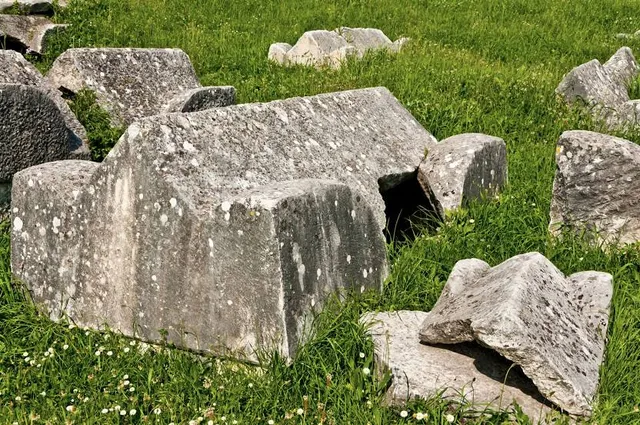
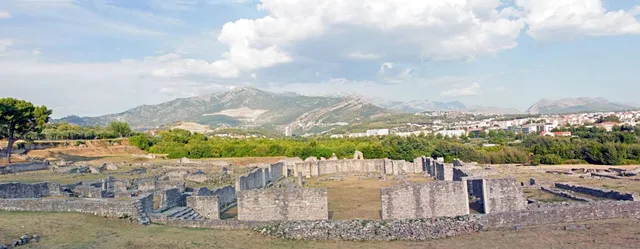
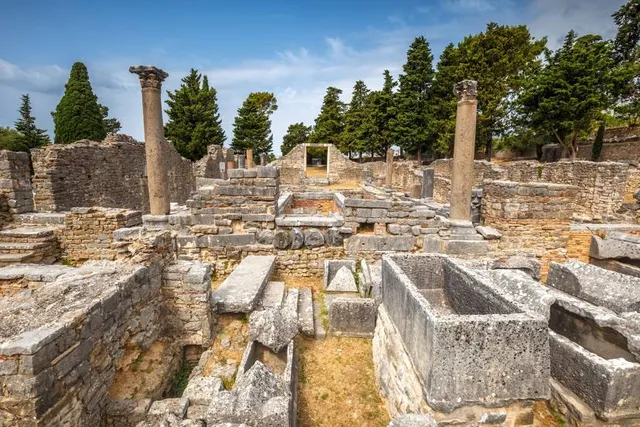
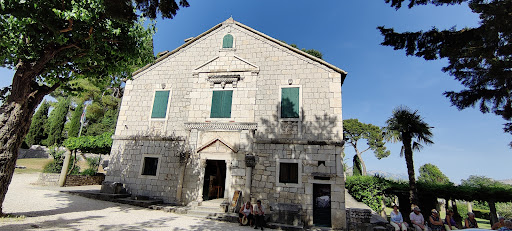
This is a comment on an unpleasant experience we had at this site, not on the ruins themselves. We had about 40min of time and decided to check out this site. My husband went to enquire about everything. He was told the parking was free, but also that the area to visit was big, with different locations. It was immediately clear we did not have enough time. So we decided to go for a short stroll. The parking lot is right by the Roman ruins which are in a big, open field, visible from any direction. We took some pictures and walked down a small public road. There was a cute old house there, where a young guy in a white T-shirt was sitting with his phone. The house had a plaque indicating it was part of the ruins, so we stayed outside the fence. We took pictures of the building and old houses on the other side of the road. It was extremely hot, so my husband retrieved hats and water from the car, and we continued to where the road became a dirt path. We took more pictures of the back of the ruins and vegetation. At the turn, the path became a paved sidewalk along a busy street, so we decided to turn back after resting for a moment. At the parking lot, I saw the guy in the white T-Shirt taking pictures of our licence plate. I asked him what he was doing, and he said we didn't pay for the parking. We said we were told the parking was free. He said it was free only for people with tickets. We explained this isn't what the man in the booth said. He reponded that even if that's true, we should know that there is nothing like free parking in Croatia. Well, we didn't. By the way, the parking lot is huge, and we were one of only five cars there, so we weren't taking anyone's space. I started wondering who this man was, and if this was a scam because he did not identify himself. He then told us that he saw us taking pictures. We said we didn't know this was forbidden. We were in the parking lot, and then on a public road and we took pictures of what we saw from there. We weren't hiding this. There were no signs informing this wasn't allowed. These ruins are in the open, so even when I took a panorama of Split they were in my picture. I explained this. The man said we didn't pay for the ticket, and so we shouldn't be taking any pictures, except for the other side of the road. I asked how we could know this, and he said he was shaking his head at us when he saw us doing this. I explained we didn't observe him shaking his head, and if we did, we wouldn't know what it meant. In fact, we didn't even realize he was an employee until now. I asked why he didn't simply tell us not to take any pictures if this was not allowed? All of this seemed to make him angrier. We heard that if we couldn't afford the tickets we should have asked him to take pictures for us, that what we did wasn't ok, that we tricked him, and he saw us going back there, and he has it on the cameras. Again, I explained we sat at the end of the path and NEVER entered the site, which he could check with the cameras. At this point it felt like a verbal assault in public, with people staring. Frankly, I started shaking inside, and my husband attempted to calm the situation down by apologizing for any possible offence we committed. From that point on the young man ignored me completely. In the end, he scolded us again for doing a "not Ok" thing, but said he will "tolerate" it this time. This horrible, humiliating and unfair experience ruined our day completely, and frankly permanently tinted our positive memories of Croatia. Here are my suggestions to any authorities in charge of this site:
1.Please clearly post whether or not this is a free parking, or free with some limitations.
2.If you don't want people to take pictures, please post this information on signs, or better yet, build a fence around the site.
3.Please train your employees on how to approach public with any issues in a polite and considerate manner. Most people mean well, and there is no need to assume the worst and humiliate anyone. This was a public relations disaster that, sadly, will be...
Read more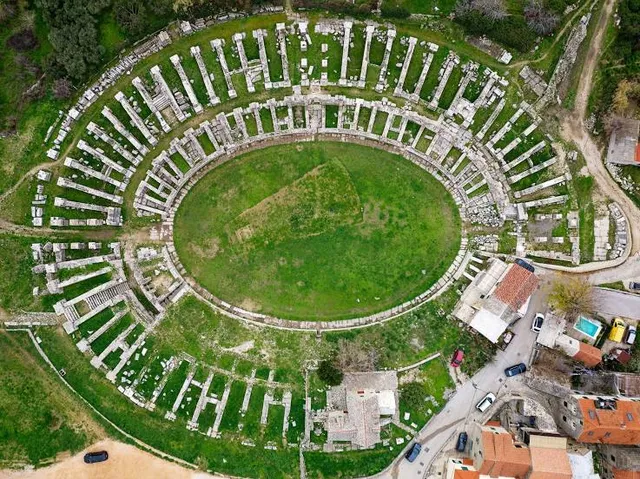
 Learn more insights from Wanderboat AI.