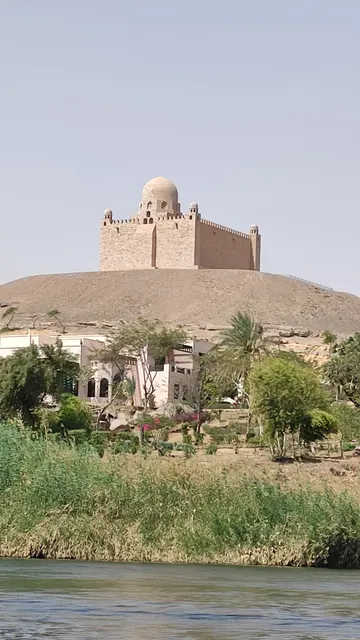
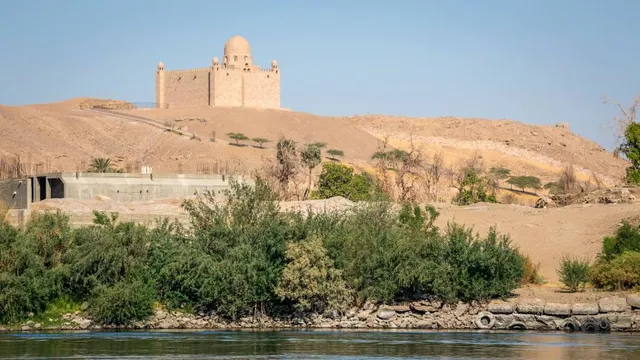
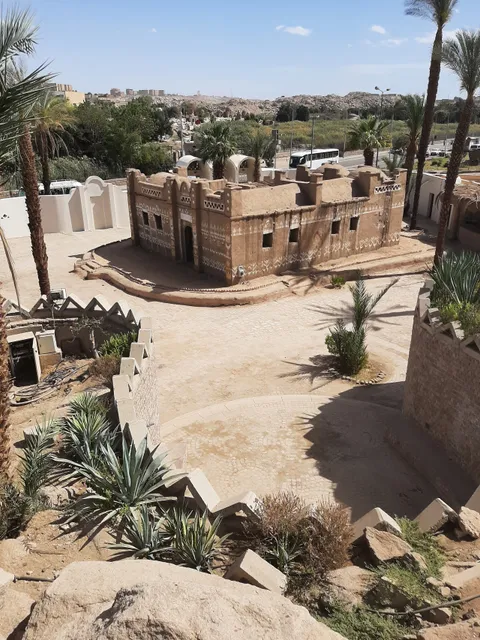
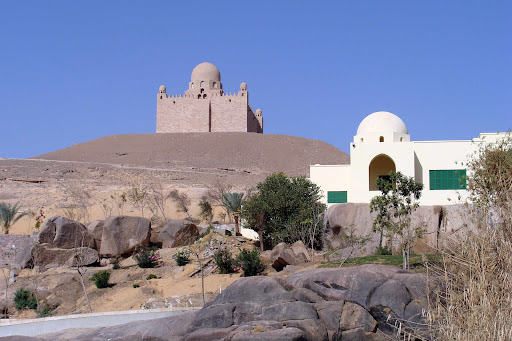
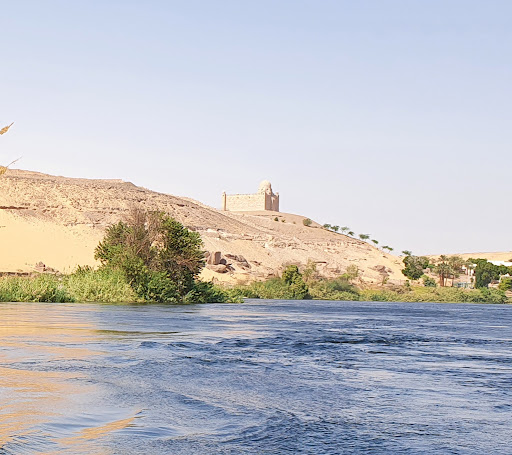
اقامه رئيس الطائفة الاسماعيلية عند زيارته مدينة اسوان وكان يعانى من الروماتيزم فتاعلاج فى رمال اسوان وهى مثال للسياحة الصحية فشيد قبره على هضبة باجمل الزخارف الاسلامية والفارسية والهندية High up on the west bank of the Nile in Aswan stands the tomb of Sir Sultan Muhammad Shah Aga Khan III, the 48th Imam of the Ismailis, who died in 1957, and of his wife the Begum, who died in 2000. The Mausoleum is a very elegant pink granite structure of late 1950 origin. The Aga Khan succeeded his father in 1885 when he was eight to become the 48th Imam. Upon his death on 11 July, 1957, he was succeeded to the Imamat by his grandson, Prince Karim Aga Khan, who celebrated his golden jubilee in July 2007. “He used to say ‘Egypt is the flag of Islam’. And he wanted to be buried here. Then we looked around and one day while on the Nile in a felucca with the Director, who said: ‘But why do you insist on finding somewhere to be buried? You see that house’? It was absolutely closed and neglected. ‘It is on sale. Why don’t you buy it and enjoy yourself here’? My husband replied: ‘But I agree. Provided I have the permission to build a mausoleum behind’. And we bought it.” The villa was named Noor al Salaam. “He put the house entirely in my hands saying: ‘You will choose the mausoleum. The style and everything else – do as you like. style and everything else – do as you like. I want to be buried here’.” Aswan was the favourite wintering place of the Aga Khan and the Begum , and the family's white villa, Noor al Salaam, is seen in the garden beneath the tomb. This magnificent mausoleum of Aga Khan III was modelled on the Fatimid tombs in Egypt. “Now building the mausoleum was a great task for me. I was not sure of which style. But my husband had told me to see one of his friends at the American University, a British professor specializing in Islamic architecture. He took me all over Cairo and finally I made my choice, but if you see what I chose to copy, what inspired me, you may not see a resemblance.
The mausoleum has an excellent view, including the Aga Khan's white villa below, and is near the Monastery of St. Simeons on the west bank at Aswan. His Begum, or wife, lived in the villa three months of the year. Every day that his widow was at the Villa, she placed a Red Rose on his white Carrara marble tomb. Omme Habibah, popularly referred to as "The Begum" or Mata Salamat by the Ismailis died on July 1st, 2000. The other months, a gardener filled this function.
“And something that maybe nobody knows is that this monument was made entirely by hand. Most of the marble is carved from one piece. It is the only thing, coming from abroad Carara marble, a very special and rare pure kind of Carara. The remainder, granite and sandstone...
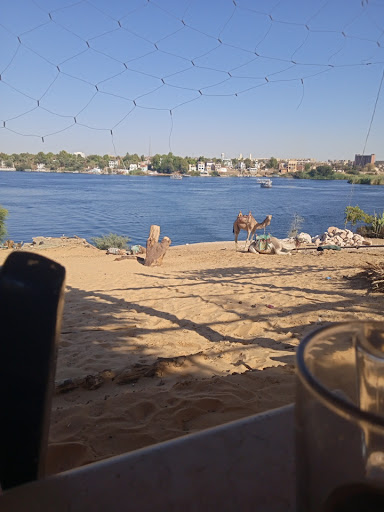
Read moreThe Aga Khan III was suffering from rheumatism and bone pain, and his millions did not intercede for him in treatment, as the greatest physicians in the world at that time failed to treat him, so a friend advised him to visit Aswan, because there is a strange warm winter and good and beloved people, so the Aga Khan came to Aswan in about the year 1954 AD accompanied by his wife, his retinue, and a large group of followers of the Ismaili sect, and the Aga Khan was unable to walk and moved in a wheelchair, and he was staying in the ancient Cataract Hotel, the finest hotel in Aswan at that time and until this day. In the sands of Aswan, three hours a day, for a week, and in the midst of ridicule and indignation from foreign doctors, the Aga Khan followed the advice of the Nubian sheikh, and after a week of daily burial, the Aga Khan returned to the hotel walking on his feet, and around him was the overwhelming joy of his wife, supporters, and supporters, and from that time the Aga Khan decided to visit Aswan Every winter, but he did not want to be one of the hotel pioneers, so he asked the governor of Aswan at that time to buy the area in which he was treated, and the governor of Aswan agreed to the request, so the Aga Khan brought engineers, architects, and workers to build him a tomb that commemorates his memory in the area where he was treated. He recovered...
Read moreأغاخان.. اسم له تاريخ يستقر اليوم فوق هضبة من الجهة الغربية للمدينة في جزيرة وسط النيل بأسوان حيث مقبرة الأمير محمد شاه أغاخان، الإمام الثاني والأربعين للطائفة الإسماعيلية.
تطل المقبرة على قصر الملك فاروق قديمًا الذى أصبح حاليا فندق “كتراكت”، ومن الجهة الآخرى تطل على مقبرة رومانية إغريقية ومعبد “ساتت” الذي شيدتة الملكة حتشبسوت.
بنى الأمير المقبرة بجوار قصره على طراز المقابر الفاطمية فى مصر القديمة مستخدمًا في ذلك الرخام المرمري الخالص، لتظل شاهدة على قصة حب أسطورية جمعت بين الأمير “أغاخان” وفاتنته الفرنسية بائعة الورد “ايفيت لابدوس” في أواخر الثلاثينيات من القرن الماضي، عندما جمعت الصدفة بينهما أثناء حضورهما حفل ملكي بمصر حيث دعيت لابدوس بعد فوزها بلقب ملكة جمال فرنسا عام 1938.
اهتز وجدان الأمير البالغ من العمر 68 عامًا، عند نظراته الأولى للفاتنة الفرنسية، وعندما تعالت دقات القلب اعترف لها بإعجابه، ليبدأ التحدي مع الواقع.
عانت قصة الحب من التقاليد الإجتماعية، فكيف لأمير أن يتزوج من بائعة الورد، فضًلا عن أن الفتاة كانت تصغره بثلاثين عامًا، إلا أنه بعد عام من لقائهما نجحت قوة الحب في تتويجها ملكة على عرش الطائفة الإسماعيلية بعد زواجها من الأمير.
دفع الأمير “أغاخان” مهر الفاتنة قرابة مليون فرنك سويسرى، وبعد انضمامها للطائفة أصبح اسمها “أم حبيبة”، وحملت لقب “البيجوم أغاخان” كما كان يطلق على زوجة الأمير وقتها، وانتقلت إلى مصر لتكمل حياتها مع مالك قلبها، ولأسباب علاجية حيث كان يعاني الأمير من الروماتيزم وآلام في العظام، فضلوا الإقامة بأسوان حيث جهز أغاخان قصرا لزوجته ليقيما فيه معًا، حتى وافته المنية.
توفى “أغاخان” بعد شهور من بناء المقبرة، إلا أن زوجته قررت البقاء بجوار الجثمان وعاشت بجواره بالقصر تكمل حبها له وتحاكيه عشقًا بـ “الورد...
Read more